THE NEW FRONTIER: WHY SMART INVESTORS ARE ABANDONING MEGA-CITIES FOR TIER 2 AND TIER 3 HUBS
Think about real estate investment over the last few decades. What comes to mind? Probably the usual suspects, right? Those legendary ‘mega-cities’ like London, New York, Paris, Tokyo, and Hong Kong. For ages, these places were the undisputed kings, drawing in investors from every corner of the globe. They seemed like safe bets, promising huge returns, thanks to their incredible economic muscle, cultural pull, and sheer concentration of wealth.
But hold on a second. Something big is changing. The very things that made these urban giants so attractive are now, ironically, starting to hold them back. We’re talking about assets that are simply too expensive, returns that are shrinking, cutthroat competition, and markets that are just plain packed. Because of this, clever investors are taking a serious second look. They’re starting to peek beyond the obvious, setting their sights on what we call ‘Tier 2’ and ‘Tier 3’ cities. These are those vibrant secondary and tertiary hubs, offering a fantastic mix of growing infrastructure, more affordable entry points, and truly exciting growth prospects.
This isn’t just a passing fad, either. Oh no, this is a major strategic rethink. It’s all fueled by fundamental shifts in our economy, incredible leaps in technology, and the changing ways we all want to live our lives.
THE MEGA-CITY EXODUS: WHY INVESTORS ARE LOOKING ELSEWHERE
The classic appeal of the world’s top cities is undeniable, of course. They’re like powerful magnets for talent, money, and brilliant new ideas. Yet, this relentless demand has pushed property values sky-high, making it incredibly tough for investors to actually make decent money anymore.
UNSUSTAINABLE VALUATIONS AND DIMINISHING RETURNS
In places like London or New York, the very best commercial and residential properties demand prices that make your eyes water. While prices certainly soared for many years, that growth has slowed right down. In some areas, prices have even stalled or taken a dip. You see, high buying costs, combined with ever-increasing running expenses, property taxes, and stricter rules, just eat away at any potential profits. Investors are realizing that the big gains they once found in these markets are now proving very hard to come by.
CONGESTION, COMPETITION, AND QUALITY OF LIFE
It’s not just about the money, though. The quality of life in many mega-cities has actually gotten worse. Think about it: constant traffic jams, pollution, outrageously high living costs, and fierce competition for everything – from a place to live to office space. That’s a huge turn-off for both businesses and individuals. Companies struggle to attract and keep good people when employees face brutal commutes and can’t afford a home. For investors, the sheer volume of competitors in these established markets means getting your hands on prime assets often means paying an inflated premium with little room to negotiate.
THE POST-PANDEMIC REASSESSMENT: HYBRID WORK AND DECENTRALIZATION
The COVID-19 pandemic really lit a fire under trends that were already bubbling up. The widespread adoption of remote and hybrid work models has drastically reduced the need for employees to live right in those expensive city centers. This shift, where people are working from different places, has given both individuals and companies the freedom to seek out locations that offer a better blend of work, life, and affordability. Investors are catching on – this isn’t a temporary blip. It’s fundamentally reshaping our cities and creating new centers of gravity far from the old powerhouses.
DECODING TIER 2 AND TIER 3 CITIES: THE NEW INVESTMENT FRONTIER
So, what exactly are these Tier 2 and Tier 3 cities? And what makes them such hot investment spots? While definitions can swing a bit depending on where you are, they generally mean cities that aren’t the main economic powerhouses, but still pack a punch regionally and show serious potential for growth. Think of Tier 2 cities as places like Manchester, UK; Austin, USA; Lyon, France; or Pune, India. These are often regional capitals, big metropolitan areas, or cities known for their specific industries, top-notch universities, and excellent connections. Then you have Tier 3 cities – smaller, but rapidly growing urban centers, often boasting a unique industry niche, brand new infrastructure, and a smaller population base, just waiting to boom. Places like Chattanooga, USA; Gdansk, Poland; or Coimbatore, India fit this bill perfectly. The appeal of these cities comes from a perfect storm of factors that directly tackle the problems you find in those mega-cities.
AFFORDABILITY AND ACCESSIBILITY: LOWER ENTRY COSTS
The most immediate draw of Tier 2 and Tier 3 cities is how much cheaper it is to get started in real estate and run a business there. Land, commercial spaces, and homes often cost a mere fraction of what you’d pay in global capitals. This means investors can build bigger portfolios, achieve higher rental income, and really benefit from property value growth as these markets mature. For businesses, lower overheads translate directly into better profits and more room to expand.
ROBUST INFRASTRUCTURE & STRATEGIC INVESTMENTS
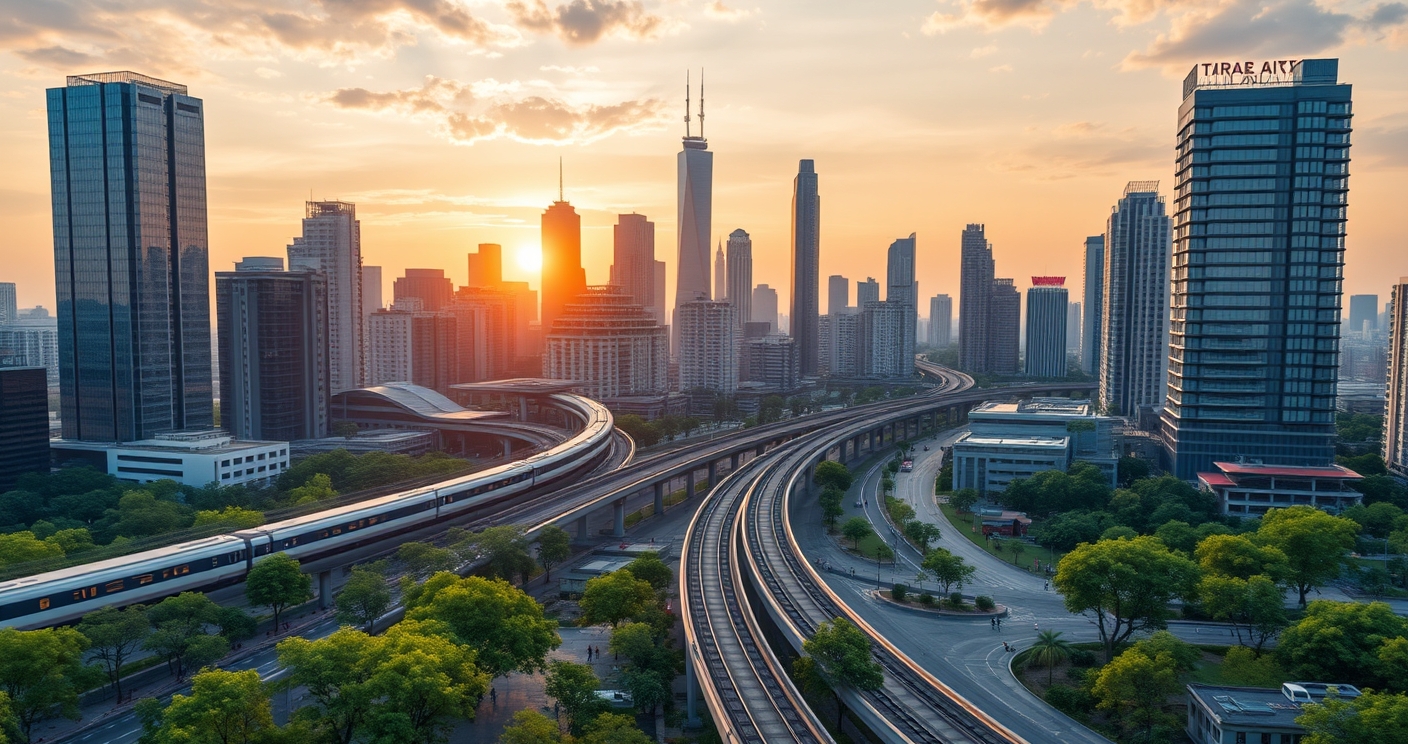
Many of these secondary and tertiary cities are undergoing incredible transformations, fueled by significant government and private sector money poured into infrastructure. We’re talking about significantly improved connectivity, with expanding airports, high-speed rail lines, and modern road systems making travel a breeze. There’s also huge investment in digital infrastructure, like 5G networks, data centers, and fiber optics, which makes these spots incredibly appealing for tech businesses. Many are embracing ‘Smart City’ initiatives too, meaning intelligent urban planning, sustainable energy, and super-efficient public services designed to boost both liveability and the economy. Plus, their often-strategic locations turn them into perfect logistics hubs for distribution and manufacturing, thanks to those sweet transport links. These planned and ongoing infrastructure projects don’t just make life better for residents; they also lay the foundation for lasting economic growth, making these cities super attractive to long-term investors.
EMERGING TALENT POOLS AND INNOVATION HUBS
Here’s another big one: Tier 2 and Tier 3 cities are becoming major magnets for talent. They often boast strong regional universities and colleges, which churn out a steady stream of skilled graduates. The lower cost of living and a better work-life balance also attract professionals who are looking for an alternative to the intense rat race of mega-cities. This creates dynamic, younger workforces that are often more affordable and less likely to jump ship than those in larger cities. Many of these hubs are also hotbeds for innovation, with specialized tech parks, incubators, and industry clusters popping up in sectors like biotech, manufacturing, and green technology.
IMPROVED QUALITY OF LIFE AND COMMUNITY VIBE
Beyond the pure economic benefits, these cities frequently offer a superior quality of life. Shorter commutes, more access to parks and green spaces, a stronger sense of community, and that lower cost of living all contribute to residents feeling much happier. For investors, this translates into more stable populations, less employee turnover for local businesses, and a thriving local economy that supports all sorts of real estate sectors.
KEY INVESTMENT SEGMENTS AND OPPORTUNITIES
The shift towards Tier 2 and Tier 3 cities really opens up a world of diverse investment opportunities across various sectors. Let’s talk about where the opportunities truly lie. Residential real estate is red hot, driven by folks moving in from bigger cities and robust local job growth, making apartments, single-family homes, and build-to-rent projects incredibly appealing. Then there’s commercial and industrial spaces; as businesses either move or grow, we’re seeing huge demand for modern offices, co-working spots, logistics warehouses, and manufacturing plants. Their prime locations often make them perfect distribution centers, too. Don’t forget hospitality and tourism! As local economies thrive and connectivity gets better, regional tourism and business travel naturally get a boost, opening doors for hotels, serviced apartments, and leisure facilities. And finally, cities with strong university ties or government backing are perfect for developing specialized technology and innovation parks, attracting both fresh startups and established tech giants.
NAVIGATING THE LANDSCAPE: CONSIDERATIONS FOR INVESTORS
While the opportunities are certainly exciting, investing in Tier 2 and Tier 3 cities definitely requires careful thought and thorough homework.
DUE DILIGENCE IS PARAMOUNT
Research is absolutely key here. Investors simply must understand a specific city’s economic engines, population trends, local rules, political stability, and future development blueprints. What are the main industries keeping things going? What big infrastructure projects are on the horizon? Are there special government incentives for investing? Grasping the ins and outs of the micro-market dynamics is essential.
DIVERSIFICATION AND LONG-TERM VISION
Instead of seeing these as quick, speculative gambles, investors should adopt a long-term mindset. Growth in these markets might be more gradual, but it’s often far more sustainable. Spreading investments across several Tier 2 and Tier 3 cities, or even across different property types within a single city, can help manage risks and boost returns.
UNDERSTANDING LOCAL DYNAMICS
Every single Tier 2 or Tier 3 city has its own unique flavor, culture, and specific things that drive its growth. Connecting with local experts, developers, and government bodies can give you invaluable insights and really help you navigate the local scene effectively. Building strong local partnerships is often the secret sauce for success.
CONCLUSION: A FUNDAMENTAL REBALANCING
The rise of Tier 2 and Tier 3 cities signals a truly fundamental rebalancing of global urban wealth and influence. While mega-cities will always hold their importance, their era of undisputed dominance is clearly shifting. Investors who grasp this paradigm change and are willing to look beyond the obvious stand to unlock significant value and actively contribute to the sustainable growth of these dynamic urban centers. The future of profitable real estate investment is increasingly found not in the saturated global capitals, but in the vibrant, growing, and far more accessible secondary and tertiary hubs of the world.