
design process
Home » Architecture » Design
Our architectural design process follows a structured, collaborative approach, guiding each project from the initial understanding of your requirements through design development, technical documentation, and construction supervision.
Each phase has clearly defined objectives and deliverables, enabling you to make informed decisions while maintaining control over the project’s design, scope, and budget.
Step 1: Pre-Design Phase

A. Site Analysis
We begin by reviewing the site’s physical characteristics, legal constraints, and development potential to establish the parameters within which the project can be designed.
Our assessment considers applicable building regulations, access, topography, orientation, solar exposure, prevailing winds, and the surrounding context.
For development and investment projects, the scope may also include an assessment of development potential and highest and best use, where appropriate.

B. Architectural Programming
We work closely with our clients to identify the project’s objectives, functional requirements, spatial needs, and budget considerations.
For private residences, this involves understanding the client’s lifestyle, preferences, and intended use of the various spaces.
For commercial and hospitality developments, we establish the required functions, space allocations, operational relationships, and other project-specific requirements.
The resulting architectural program provides the foundation for concept design and subsequent design development.
Step 2: Design Phase
A. Concept & Schematic Design
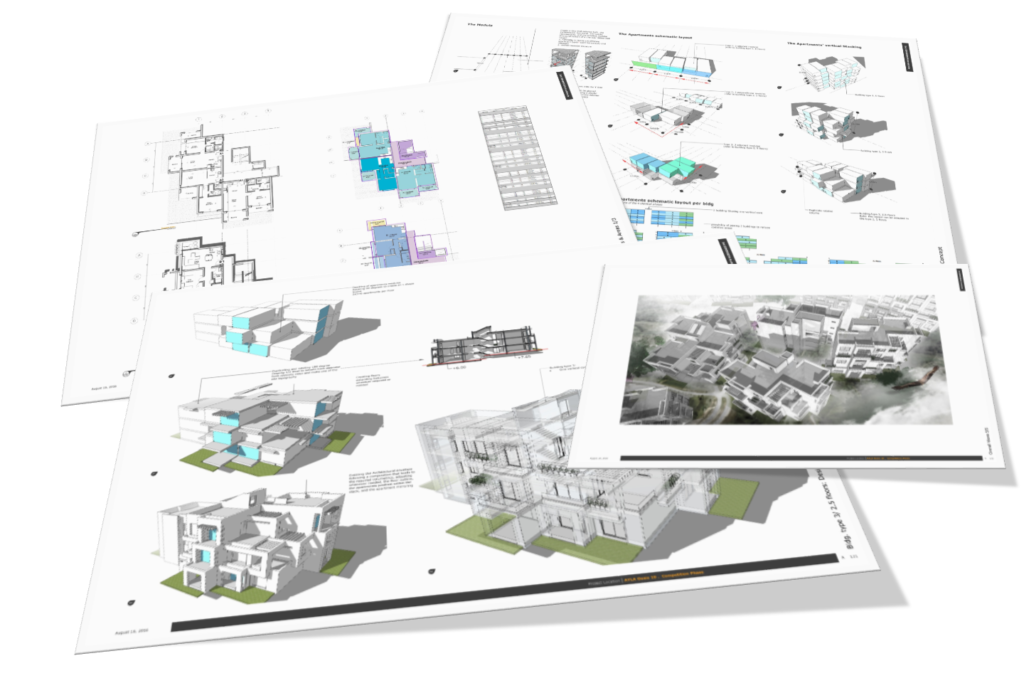
Building upon the approved architectural program and site analysis, we develop the initial design concept that establishes the project’s architectural direction, spatial organization, and overall character.
Through sketches, preliminary drawings, and three-dimensional studies, we explore alternative solutions and develop the preferred concept into a schematic design.
This stage allows the client to evaluate the proposed layout, architectural expression, and principal design features before approving the direction for further development.

B. Design Development
Following approval of the schematic design, we progressively refine the architectural solution and coordinate the principal technical requirements.
During this phase, we:
Develop the architectural plans, sections, elevations, and principal construction details.
Define the main building materials, finishes, fixtures, and architectural components.
Review the design against applicable building regulations and planning requirements.
Coordinate the preliminary structural, mechanical, and electrical engineering designs.
Prepare updated three-dimensional visualizations and presentations to support the client’s review and approval.
The approved design development documents establish the basis for detailed technical documentation and subsequent tender preparation.
Step 3: Technical Documentation & Tendering

A. Cost Planning & Scheduling
As the architectural design progresses, we review the project’s estimated construction cost against the client’s established budget and develop a preliminary construction schedule.
During this stage, we:
Review and update construction cost estimates based on the developed design and available market information.
Identify cost-sensitive design decisions and evaluate alternative materials, systems, or construction methods where appropriate.
Develop an outline construction schedule, considering the project’s scope, complexity, procurement requirements, and anticipated construction sequence.
These activities support informed decision-making and help manage potential budget and scheduling risks before construction.
B. Construction Documentation & Tendering
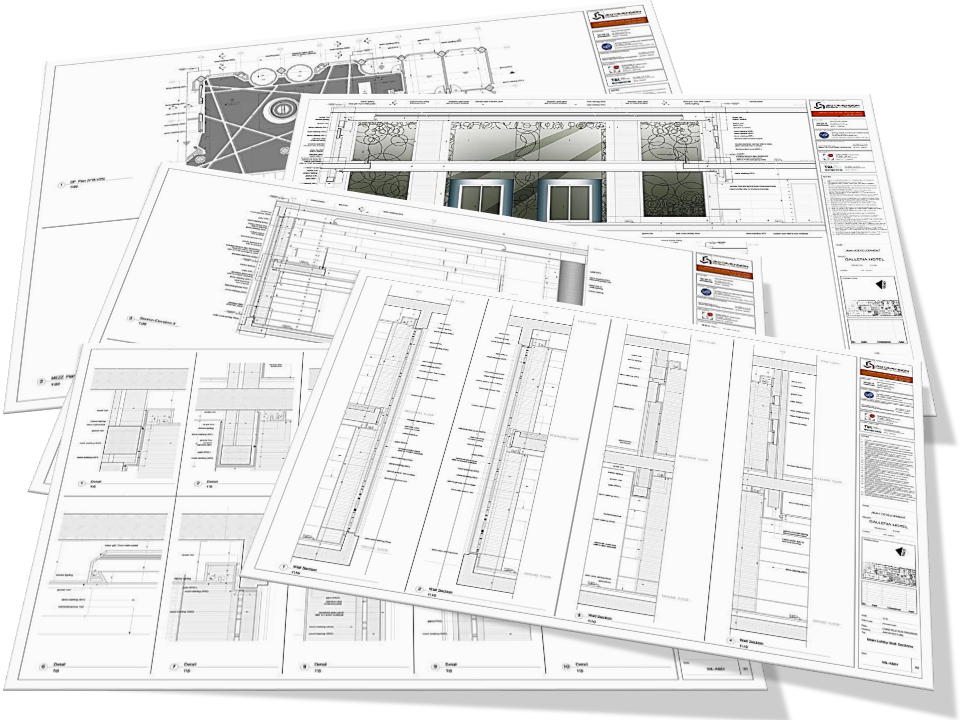
Following approval of the developed design, we prepare coordinated technical documentation to communicate the architectural and engineering requirements for construction.
Depending on the agreed scope of services, this phase may include:
Construction Drawings: Detailed architectural and coordinated engineering drawings, including dimensions, construction details, material specifications, and relevant schedules.
Specifications & Quantities: Technical specifications, material schedules, and Bills of Quantities (BOQ), as required for pricing and construction.
Tender Documentation: Preparation of the tender package, including drawings, specifications, pricing documents, and relevant bidding requirements.
Tender Administration: Assistance with contractor prequalification, issuing tender documents, responding to technical queries, and reviewing submitted bids.
Tender Evaluation: Comparative assessment of contractors’ technical and commercial submissions, with recommendations to support the client’s contractor selection.
The objective is to provide clear, coordinated construction information, facilitate competitive pricing where applicable, and support a well-informed procurement process.
Step 4: Construction Phase
Construction Supervision
During construction, we provide professional supervision and construction administration services, according to the agreed scope of appointment, to help safeguard the architectural design intent and the client’s interests.
Our services may include:
Site Inspections: Conduct periodic site visits to observe construction progress, assess the quality of workmanship, and review general conformity with the approved construction documents.
Technical Coordination: Review contractor submissions, respond to technical queries, and assist in resolving design-related issues arising during construction.
Progress Monitoring: Review construction progress against the agreed project schedule, identify potential delays, and communicate relevant observations and recommendations to the client.
Quality Review: Identify observed defects, discrepancies, or incomplete works and communicate the necessary corrective actions to the contractor.
Completion & Handover: Participate in final inspections, prepare a snagging or punch list, and review the correction of identified items within the agreed professional scope.
Additional services, including comprehensive Project Management, may be provided under a separate or extended consultancy appointment.
Construction execution, site safety, construction methods, and the contractor’s contractual obligations remain the responsibility of the appointed contractor, unless otherwise expressly agreed.