BEYOND THE CUBICLE: CO-LIVING IS THE NEW HOME FOR DIGITAL NOMADS
It’s 2026, and wow, things have really changed in the world of work! That old-school office building, which used to be the absolute center of our professional lives, has mostly become a flexible spot, a place you visit sometimes, or even just a distant memory for many of us. The “digital nomad” way of life, once a pretty niche concept, has totally exploded into something most people aspire to. This shift is all thanks to amazing tech, new company rules, and our collective longing for a better balance between work and life.
This growing group of mobile professionals, free from geographical ties, deals with its own special mix of hurdles and exciting possibilities. Think about it: where do they set up camp? How do they actually connect with others and build a community? And how do they handle all the practicalities of a life on the go without giving up their sense of stability or their ability to get things done? More and more, the solution is popping up in the form of co-living spaces. This isn’t just a new housing model adapting to our current reality; it’s actively molding how we live and work.
These aren’t just your typical rentals; they’re fully furnished, offer flexible terms, and are built specifically for fostering community and making life easy. And they’re definitely not a passing fad! The numbers tell a clear story: co-living spaces boast an incredible 40% lower turnover rate compared to standard apartments. This isn’t just a win for the folks running these places; it’s a huge sign of how perfectly co-living aligns with what today’s, and even tomorrow’s, mobile workers truly need.
THE BIG SHIFT: WHY WE’RE ALL SO MOBILE NOW
You know, the groundwork for all this movement was laid well before 2026. The COVID-19 pandemic really sped things up, pushing companies to invest heavily in strong digital setups for remote work. Add that to Gen Z and millennial professionals’ natural craving for flexibility, and suddenly, remote and hybrid work models became the absolute norm.
Today’s workforce really cares about being able to work from just about anywhere, as long as there’s decent internet. They want to seamlessly blend their professional duties with personal passions, travel, and taking care of themselves. There’s also a huge desire for “experiential living” – exploring new cultures, picking up new skills, and connecting with all sorts of interesting people. Above all, they value flexibility, the ability to adapt to life’s twists and turns without being stuck in long-term commitments.
While this kind of freedom is super exciting, it definitely brings some real-world challenges. Imagine trying to find the right furnished place for just a few weeks or months, building a new social network from scratch in a new town, or simply keeping a healthy work rhythm going – it can feel pretty overwhelming. That’s exactly where co-living shines, stepping in with a perfectly tailored answer to the modern nomad’s predicament.
CO-LIVING: IT’S WAY MORE THAN JUST SHARING A SPACE
Okay, at its heart, co-living means you get your own private bedroom, but it’s part of a bigger, shared home. However, calling it simply “shared housing” would really miss the revolutionary spirit of it all. These spaces are carefully designed and put together to offer:
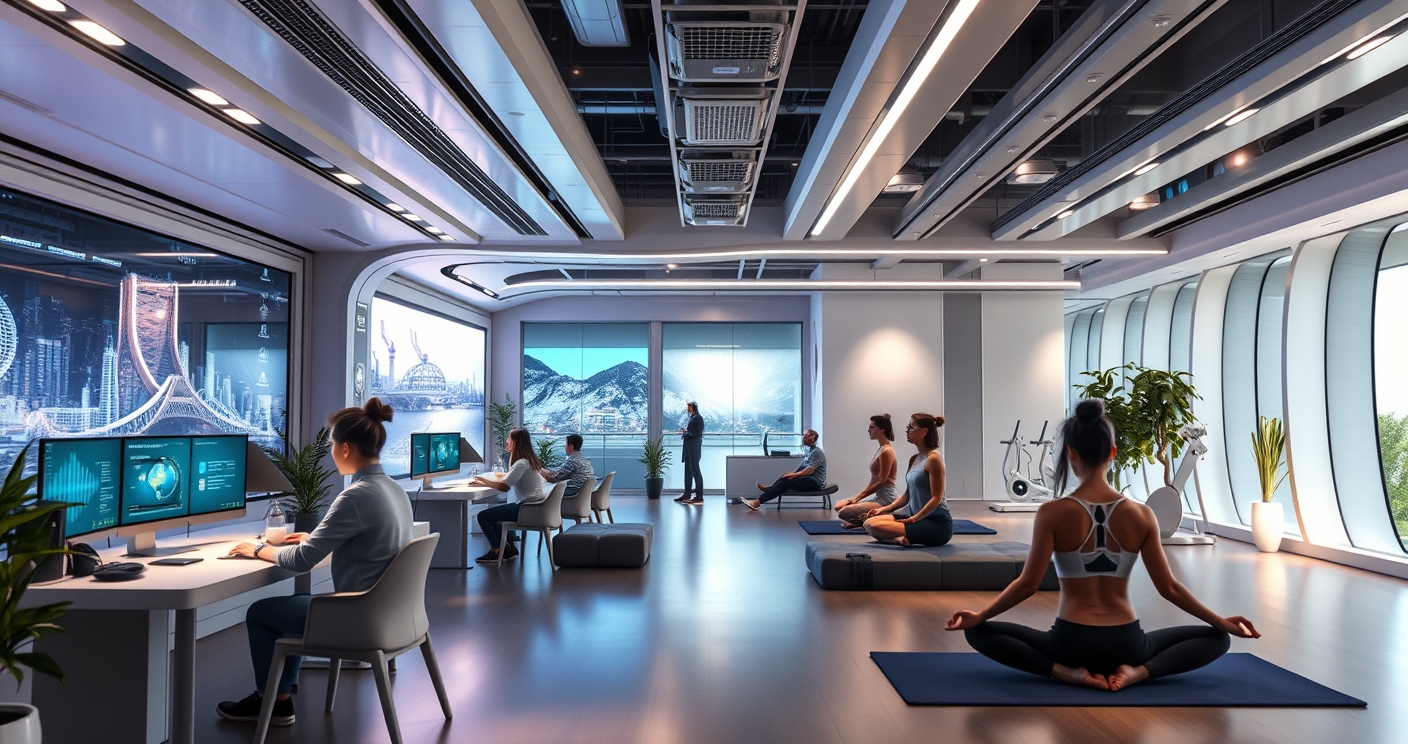
First off, you get fully furnished, beautifully designed spaces. Everything from your private bedroom to the shared kitchens and living rooms is ready to go. No need for moving trucks, furniture shopping, or dealing with utility hookups. Plus, forget those traditional 12-month apartment leases; co-living usually offers super flexible terms, from a few weeks to several months – perfect for a transient lifestyle. All your amenities are bundled too: utilities, speedy internet, cleaning services, and often even laundry are included in one easy, predictable monthly payment, making budgeting a breeze. But the real game-changer? It’s the purpose-built community. Co-living actively encourages social interaction through awesome common areas like lounges, coworking spots, and fitness centers. They also host cool curated events – workshops, dinners, excursions – and use digital platforms to connect everyone living there.
It’s basically a plug-and-play lifestyle. Everything is set up to remove all those annoying hassles of moving, letting residents really focus on their work, growing as people, and exploring new horizons.
THE SECRET SAUCE: WHY CO-LIVING KEEPS RESIDENTS HAPPY
That impressive 40% lower turnover rate isn’t just luck; it really shows how deeply co-living taps into what its residents fundamentally need. Let’s dig into the main reasons why it works so well:
1. A READY-MADE COMMUNITY
Let’s be real, one of the biggest struggles for digital nomads is feeling lonely. Rolling into a brand-new city and trying to build a social life from zero can feel incredibly isolating. Co-living naturally solves this problem. Residents immediately join a network of like-minded folks, often from all sorts of backgrounds and professions. This instant community fights off loneliness, helps with networking, and builds a sense of belonging that’s often just not there in regular rental situations. When people feel truly connected and supported, they’re much less likely to look for somewhere else to live.

2. UNBEATABLE CONVENIENCE AND FLEXIBILITY
For professionals who thrive on agility, the “turnkey” aspect of co-living is absolutely priceless. Imagine showing up with just a suitcase and finding everything waiting for you – a comfy bed, a fully stocked kitchen, the works! That’s a huge draw. Plus, those flexible lease terms mean nomads can stay for exactly the right amount of time without the financial hit or stress of breaking a long-term lease. This super smooth way of living takes away so many logistical headaches, freeing up residents to pour their energy into their work and experiences, instead of endless paperwork.
3. SMARTER MONEY MANAGEMENT AND PREDICTABLE LIVING
Now, at first glance, co-living might seem a bit pricier than just sharing a traditional apartment. But its real value shines through in all those bundled services and how predictable the costs are. That single monthly payment takes care of your rent, all your utilities, internet, cleaning, and sometimes even gym access or event tickets. This means no surprise hidden costs and budgeting becomes a total breeze. For busy mobile professionals, the time saved not having to set up utilities or hunt for furniture also has significant financial value. When the costs are transparent and the value is clear, people are much more likely to stick around.
4. BUILT FOR PRODUCTIVITY AND HAPPINESS
Many co-living spots come with dedicated coworking areas, super-fast internet, and quiet zones, all perfectly designed for remote workers. But it’s not just about work. The focus on shared activities, places to get fit, and social events really boosts residents’ overall well-being. And let’s be honest, a happy, productive, and well-adjusted resident is exactly the kind of resident who stays put!
THE RIPPLE EFFECT: WHO ELSE BENEFITS FROM CO-LIVING?
The success of co-living, especially those awesome retention rates, creates positive waves for everyone involved, not just the residents.
For the folks running co-living spaces, lower turnover means they spend less on marketing, have fewer empty rooms, and enjoy much more predictable income. It also helps build a stronger, more stable community, which in turn leads to better reviews and natural growth.
Cities and local economies also see benefits. Co-living draws in a talented, diverse, and often entrepreneurial crowd to urban areas. These residents shop locally, contribute to the tax base, and bring fresh ideas, which can really breathe new life into neighborhoods and spark innovation.
Even employers get a win! Companies that have embraced remote and hybrid work models benefit hugely when their employees have access to high-quality, community-rich living options. This supports employee well-being, helps them hold onto great talent, and can even make it easier to host team get-togethers or temporary project hubs.
LOOKING AHEAD: THE FUTURE OF LIVING AND WORKING
As we gaze further into the future, it’s clear the co-living revolution is set for continuous expansion and fascinating evolution. Here’s what we’ll probably see:
Get ready for more niche communities – co-living spaces designed for specific professions like tech entrepreneurs or artists, certain age groups, or unique lifestyle choices such as wellness focus or language immersion. We can also expect even more integrated services, perhaps on-site fitness instructors, healthy meal plans, or even concierge help for travel and visa support. And imagine larger co-living brands creating seamless networks, allowing you to easily move between their properties in different cities worldwide, making borderless living even more accessible than it is now.
So, the workforce in 2026 is undeniably more mobile than ever before, all thanks to a deep change in what we prioritize and the incredible power of technology. The co-living model, with its strong focus on community, sheer convenience, and brilliant flexibility, has popped up as far more than just a place to live; it’s truly enabling a whole new lifestyle. That 40% lower turnover rate? That’s not just a statistic; it’s a huge stamp of approval from residents who have discovered a real home, a supportive community, and a perfect launchpad for their mobile lives in our constantly changing world. The co-living revolution isn’t just taking place; it’s actually becoming the standard for how we’ll live, work, and connect throughout the 21st century.