THE SECRET SAUCE OF CITY REVIVAL: TURNING OLD OFFICES INTO HOT NEW HOMES
Ever noticed how our cities are always changing? They’re like living canvases, constantly reshaped by things like economic shifts, new tech, and what we all need. Lately, a few big trends have collided – remote work sticking around, a real crunch for city housing, and everyone wanting greener development. This ‘perfect storm’ has pushed a fantastic solution to the forefront: adaptive reuse. We’re talking specifically about taking those empty or barely-used office buildings and flipping them into lively apartment complexes. It’s quickly become one of the smartest and most profitable moves in real estate right now.
This isn’t just about giving old buildings a new coat of paint. Think of it as urban magic, breathing fresh air into those structures that once dominated our cityscapes. This ‘office-to-apartment’ flip offers a special chance for investors and developers to see great returns, all while tackling some seriously tough urban problems. Here, we’ll dive into the amazing upsides, the tricky bits, and what you really need to consider to nail this profitable art form.
WHY OLD OFFICES ARE PRIMED FOR A MAKEOVER
So, why are these office-to-apartment conversions suddenly so popular? Well, it’s a mix of things, all tied into today’s economic and social landscape. Getting a handle on these main drivers is crucial if you want to truly grasp the potential here.
THE PANDEMIC’S LEGACY: EMPTY DESKS, NEW OPPORTUNITIES
Remember how COVID-19 completely changed how and where we work? Suddenly, remote and hybrid models weren’t just for a few tech companies; they became the norm for almost everyone. This massive shift has left tons of office buildings, especially those older, less fancy ones in city centers, struggling with high vacancy and less money coming in. Landlords are stuck between a rock and a hard place: fewer tenants wanting space, and the huge cost of upgrading to modern, amenity-packed offices. But here’s the silver lining for savvy developers: these buildings are often available at bargain prices, making them perfect candidates for a whole new life.
OUR CITIES’ CRY: MORE HOMES, NOW!
At the same time, cities worldwide are facing a massive housing shortage. Everyone’s flocking to urban areas for jobs and culture, but the supply of homes, especially affordable ones, just can’t keep up. Building new homes from scratch? That’s usually slow, pricey, and land is hard to find. This is where office-to-apartment flips shine! They’re a quicker way to add thousands of new homes right into busy city spots, often in prime locations with all the infrastructure and public transport already there. So, you’ve got too many offices and not enough homes – that’s a pretty strong economic case for adaptive reuse, wouldn’t you say?
THE GREEN REVOLUTION: BUILDING SMARTER, NOT NEW
Forget just money for a second, the environmental perks are huge. Construction, as you might know, contributes a lot to our global carbon footprint and waste. Tearing down an old building and starting fresh creates a ton of ’embodied carbon’ – that’s all the CO2 from digging up materials, making them, shipping them, and then building. Adaptive reuse slashes this environmental impact dramatically because you’re keeping the building’s bones – its shell, foundations, and often its main structure. It’s a clear, concrete move towards sustainable development, something that really speaks to green-minded investors and communities.
BEYOND THE BUCKS: THE MANY PERKS OF ADAPTIVE REUSE
The charm of turning offices into apartments goes way beyond just making a profit. It’s got big benefits for our economy, our communities, and our planet too.
FINANCIAL WINS: SMART MONEY MOVES
Developers, listen up: the financial rewards here can be huge. Snagging those ‘distressed’ office buildings often means you pay less upfront than if you bought land to build new. Plus, in many places, adaptive reuse projects – especially if they preserve history or boost urban areas – can unlock tax breaks, grants, or even faster permit approvals. Sure, converting them isn’t cheap, but when you’re in a housing-short market, the higher rents or sale prices you can get often lead to a fantastic Return on Investment. It can even beat brand-new residential projects because you might get to market quicker and save on land costs.
BRINGING CITIES BACK TO LIFE, ONE BUILDING AT A TIME
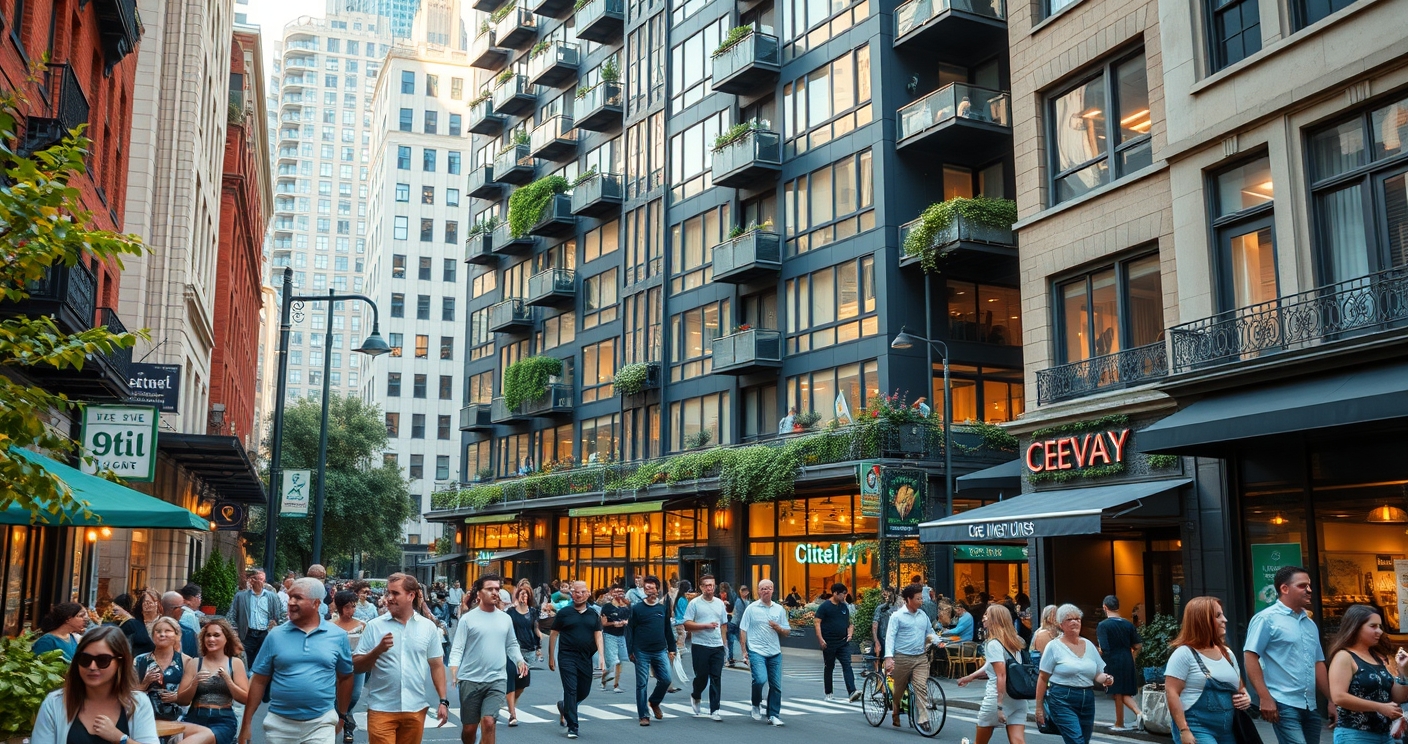
Empty office buildings can really suck the energy out of a city, turning downtowns into ‘ghost towns’ once everyone goes home. But when you convert them into apartments, you pump life right back into those areas, making them vibrant, 24/7 communities. More people living downtown means more foot traffic, which is great for local businesses like restaurants, cafes, and shops. It also makes things safer and generally creates a much livelier urban buzz. This kind of revitalization creates a fantastic ripple effect, drawing in more investment and boosting the quality of life for everyone who lives there.
GREENER CITIES: OUR COMMITMENT TO THE PLANET
Like we talked about, the environmental benefits are truly deep. When developers reuse existing buildings, they drastically cut down on construction waste heading to landfills and seriously reduce all that embodied carbon from creating new materials. It’s also a wonderful way to save our architectural heritage, giving our city streets character and a sense of history. This commitment to being green doesn’t just help global environmental goals; it also attracts more and more eco-aware tenants and buyers, potentially increasing your property’s value and making it more appealing.
THE ROADBLOCKS: WHAT MAKES THESE CONVERSIONS TRICKY
Even with all those great upsides, turning an office into apartments is definitely not a walk in the park. It throws up some specific challenges that demand real expertise, creative thinking, and smart planning.
THE “DEEP FLOOR PLATE” HEADACHE: DESIGN CHALLENGES
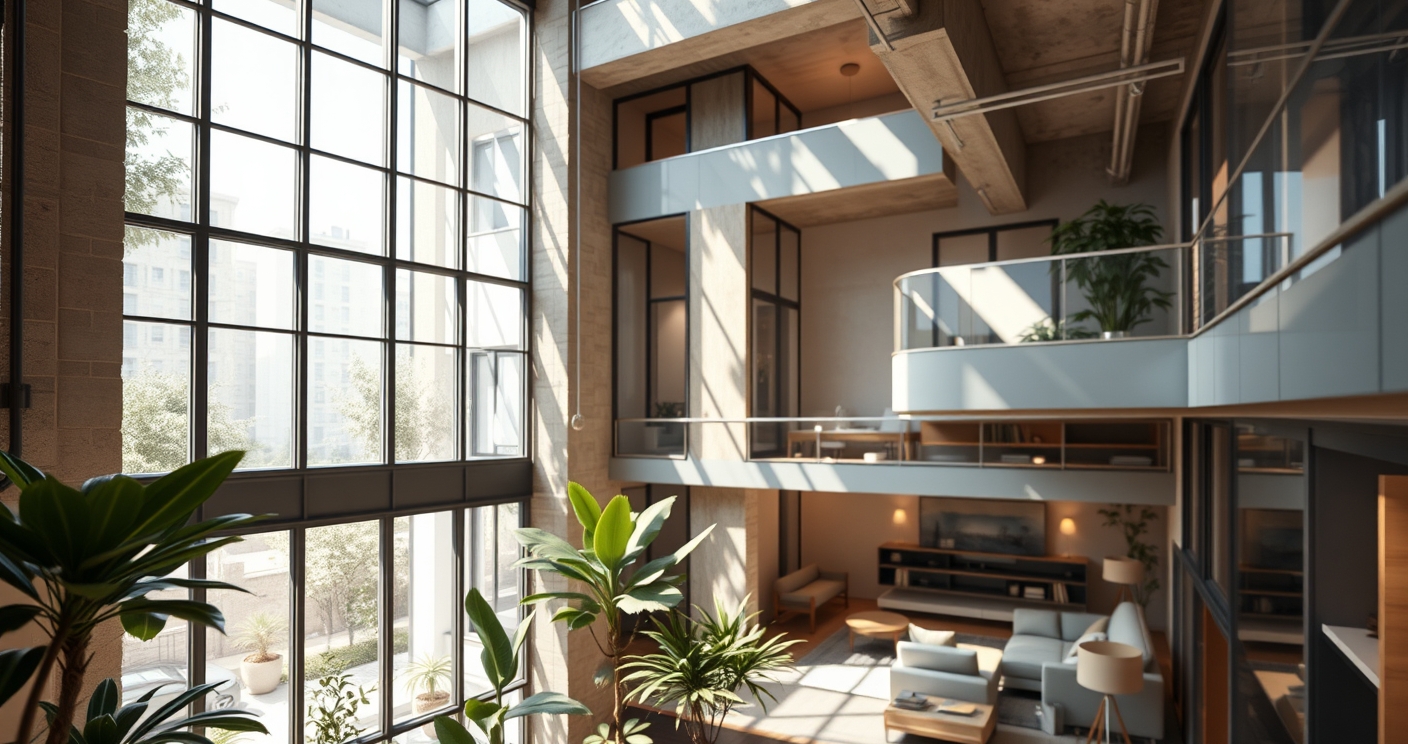
One of the biggest headaches comes from how most office buildings are designed: those super deep floor plates. Offices are made to cram in as many cubicles and private rooms as possible, which means huge interior spaces far from any windows. Apartments, though, desperately need lots of natural light and fresh air. So, figuring out how to get enough light into functional apartments in these deep buildings can be tough. It often means getting really creative with design, maybe adding internal courtyards, light wells, or putting shared amenity spaces right in the building’s center. Plus, all the existing plumbing, electrical, and heating/cooling systems were built for commercial use, so they’ll usually need major overhauls or even total replacement to meet residential standards and ensure privacy.
RED TAPE GALORE: NAVIGATING PERMITS AND ZONING
Wading through all the rules and regulations? That can feel pretty overwhelming. Turning a commercial property into residential almost always means zoning changes, which can be a long, unpredictable ride, often involving public hearings and getting the local government’s OK. Residential building codes are also totally different and usually tougher than commercial ones, especially when it comes to fire safety, exits, soundproofing, and accessibility. Developers need to be ready for really detailed inspections and potentially expensive upgrades to meet all these different requirements. And if the building is historically protected? Well, that can add a whole new layer of unique challenges.
THE REAL NUMBERS: CRUNCHING CONVERSION COSTS
Even though you might pay less to buy the building upfront, the actual cost of converting it can be huge. Think about it: tearing out all those old office interiors, changing the structure, installing brand-new plumbing, electrical, and HVAC systems, adding soundproofing, and then building individual kitchens and bathrooms for every unit – these things can quickly blow up a budget. That’s why a really thorough financial study is absolutely vital. You need to carefully weigh the purchase price, conversion expenses, any tax breaks you might get, and what you expect to earn from rent or sales to make sure the project actually makes money. Getting loans can also be trickier for these unique adaptive reuse projects compared to building something brand new from scratch.
YOUR PLAYBOOK: HOW TO SUCCEED AT ADAPTIVE REUSE
Pulling off a successful office-to-apartment flip really comes down to having a smart strategy, creative design, and strong partnerships.
PICKING THE RIGHT BUILDING: YOUR FIRST STEP TO SUCCESS
Choosing the right building is absolutely critical. You want to look for structures that lend themselves well to residential living – things like shallower floor plates (which mean more natural light for apartments), plenty of windows, a solid structure, and decent elevators or stairwells already in place. And please, don’t skip the thorough due diligence! That means detailed assessments of everything: structural integrity, mechanical, electrical, and plumbing systems. On top of that, a deep dive into what the local housing market actually wants will ensure your new apartments are the right size, layout, and come with the amenities people are looking for.
DESIGNING SMART: WHERE CREATIVITY PAYS OFF
Architectural brilliance is really your secret weapon for tackling those tricky design problems. You might consider clever strategies like creating smaller, efficient ‘micro-units’ that line up with existing windows, or even carving out internal courtyards or atriums to flood the building’s center with light. Flexible partition systems can also be a game-changer. Don’t forget to focus on adding awesome shared amenities – think rooftop terraces, fitness centers, co-working spots, and comfy communal lounges – all designed to boost resident happiness and make your property more desirable. And here’s a tip: strategically placing modular kitchens and bathrooms can make plumbing and electrical work much smoother.
TEAM UP FOR SUCCESS: EXPERTS ARE YOUR ALLIES
Because these projects are so complex, building an experienced team with a range of skills is super important. You’ll want architects who know adaptive reuse inside and out, structural and MEP engineers, general contractors who’ve handled tough renovations, and real estate lawyers who are pros at zoning and permits. Building good relationships with local planning departments and community groups can also speed up approvals and get people on board with your project. And don’t forget, tapping into specialized financing options for adaptive reuse or historical preservation can make the whole venture less risky.
WRAPPING IT UP: THE FUTURE IS ADAPTIVE
The ‘office-to-apartment’ flip? It’s much more than just a passing fad. It’s a powerful example of adaptive reuse showing its best, most profitable, and impactful side. We’re talking about an art form that cleverly mixes architectural innovation, sharp financial know-how, and a real grasp of how cities tick. As our urban areas keep changing and the housing crunch continues, transforming those outdated office spaces into buzzing residential communities offers an incredible solution. It’s a win-win-win: big economic returns for investors, revitalized city centers, and a huge boost for environmental sustainability.
Sure, getting through the challenges demands serious expertise and forward thinking. But the payoff? It’s crystal clear: a greener world, more vibrant cities, and a smart, lucrative path for future real estate development. For anyone with the vision and the know-how, mastering the art of the office-to-apartment flip truly showcases the incredible, transformative power of adaptive reuse.