YOUR WALLS AREN’T JUST WALLS ANYMORE: A REVOLUTION INSIDE
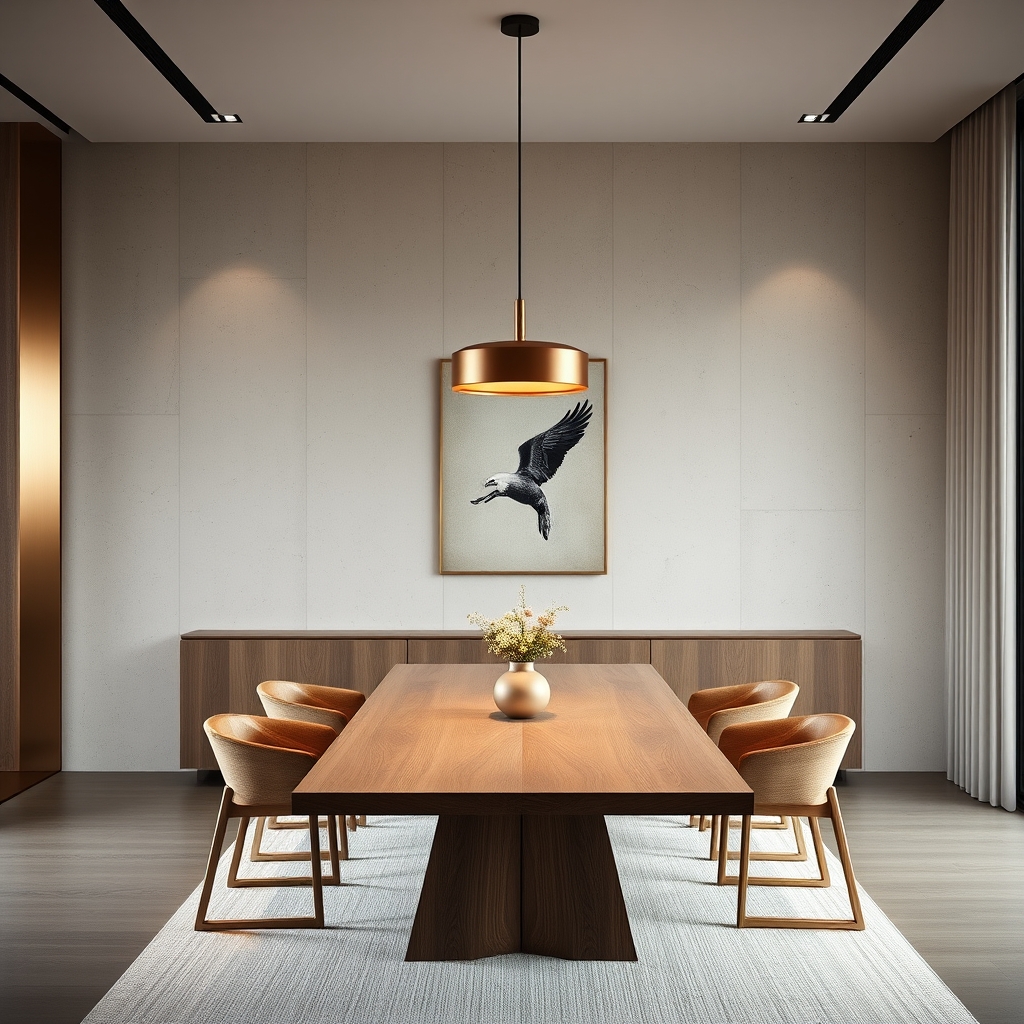
Think about the walls, floors, and ceilings around you. For a long time, we mostly saw them as the pretty ‘skin’ of a building – a place to put colors, textures, and show off our style. Their main job was to look nice, protect things, or just mark out a room. But something big is happening. We’re now looking much deeper than just the surface, rethinking every single part, from the final coat of paint to the hidden structures that shape our indoor spaces. This huge change is happening because of a few key things: amazing new tech, a growing push for sustainability, a bigger focus on our health and happiness, and the need for places that can easily change and grow with us.
So, let’s dive into this exciting transformation! We’ll explore how the surfaces inside our buildings are turning into smart, active, and essential elements of truly amazing, eco-friendly designs. Get ready to discover groundbreaking ideas for both the outer layers (the finishes) and the hidden supports (the frameworks), painting a picture of a future where every surface does so much more than just look pretty.
THE EVOLUTION OF INTERIOR SURFACES: SEEING BEYOND THE SURFACE
In the past, surfaces like paint, wallpaper, tiles, or wood panels had pretty straightforward jobs: they decorated, they protected, or maybe they helped a little with sound. Sure, how they look is still super important, but what we expect from them now goes way further. Today, a surface could be cleaning your air, making electricity, soaking up noise, showing you information, or even changing itself based on what’s happening around it.
This whole new way of thinking turns interior surfaces from just sitting there to actively joining in on how a space works and feels. It’s opening up incredible doors for architects, designers, and manufacturers, really stretching what a wall, floor, or ceiling can actually do.
THE NEW ERA OF FINISHES: SMART, GREEN, AND HEALTHY
The coolest changes are probably happening right on the surface – what we call the finishes. These are the parts we see first, and they’re truly at the forefront of this revolution. Thanks to advances in material science, tiny nanotechnology, and digital manufacturing, we’re seeing finishes that are nothing short of astounding.
SMART FINISHES: WHEN YOUR SURFACES THINK FOR THEMSELVES
Picture this: a wall that’s also a huge, touch-sensitive screen, or a kitchen counter that wirelessly charges your phone. This isn’t just sci-fi anymore; it’s happening right now, all thanks to clever new materials and built-in tech.
Integrated Electronics: Walls aren’t just walls anymore; they can now have LED lights, touch controls, and even speakers tucked right inside. This turns a plain surface into an interactive experience. Imagine wall panels that change colors, show off digital art, or give off light that matches your natural body clock.
Self-Healing & Self-Cleaning Coatings: Amazing leaps in polymer science mean we now have finishes that can fix small scratches on their own or even push away dirt and germs. This cuts down a lot on cleaning and helps products last much, much longer.
Dynamic Properties: Scientists are exploring materials like thermochromic and electrochromic substances that let surfaces shift their transparency, color, or even texture. They can do this based on temperature, light, or electric signals, giving us incredible power over how much light and privacy we have.
These truly smart surfaces are opening doors to spaces that can really respond and adapt, weaving technology smoothly into the very structure of our buildings.
GREEN FINISHES: BUILDING A BETTER, CIRCULAR FUTURE
Since everyone’s thinking about the environment, the demand for planet-friendly finishes has just exploded. Designers are eagerly hunting for materials that keep their environmental footprint super small, from the moment they’re made to when they’re finally disposed of.
Recycled and Upcycled Content: You’re now seeing finishes everywhere made from recycled plastics, glass, metals, and even farm waste like corn husks or rice hulls. These smart materials help keep trash out of landfills and mean we don’t have to dig up or create as many brand-new resources.
Bio-Based Materials: Mother Nature herself is giving us ideas and raw ingredients! Finishes made from fast-growing resources like bamboo, cork, mycelium (that’s mushroom roots!), and even algae are becoming exciting alternatives to older choices. Many of these materials are actually carbon negative and will break down naturally.
Low-VOC and Non-Toxic Options: A really important part of designing green interiors is making sure the air inside is clean. We’re seeing tons of low-VOC (that’s ‘volatile organic compound’) paints, glues, and sealants, plus natural finishes completely free of nasty chemicals. These are crucial for making our homes and workplaces much healthier.
Cradle-to-Cradle Design: For many companies, the big dream is to make finishes that can be fully recycled or composted. This helps build a ‘circular economy,’ where materials are always put back into use instead of just being thrown away.
HEALTH AND WELLNESS FINISHES: BUILDING SPACES THAT NOURISH YOU
It’s not just about saving the planet; our own health and happiness are also pushing for new finishes that actively make our indoor spaces healthier.
Antimicrobial and Antiviral Coatings: These finishes are a big deal, especially in hospitals and public spots. They stop bacteria and viruses from growing, which is super important for staying clean and slowing down the spread of sickness.
Air-Purifying Materials: Some paints and plaster mixes are now designed to suck up and neutralize things like formaldehyde and other airborne nasties, making the air inside your building much cleaner.
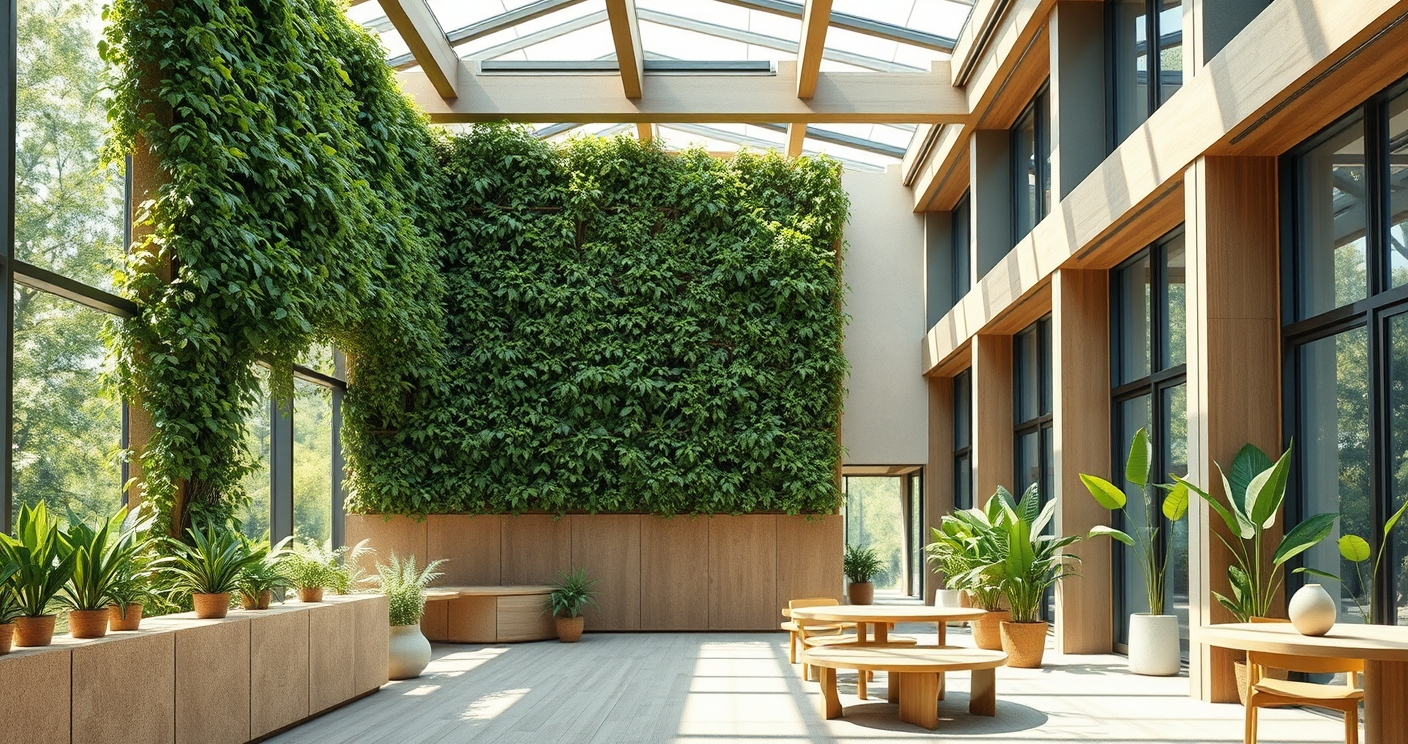
Biophilic Finishes: By bringing natural patterns, textures, or even living things (think moss walls or built-in plant holders) into finishes, we can feel more connected to nature. This is known to reduce stress and help us think more clearly.
RETHINKING FRAMEWORKS: THE FLEXIBLE BUILDINGS OF THE FUTURE
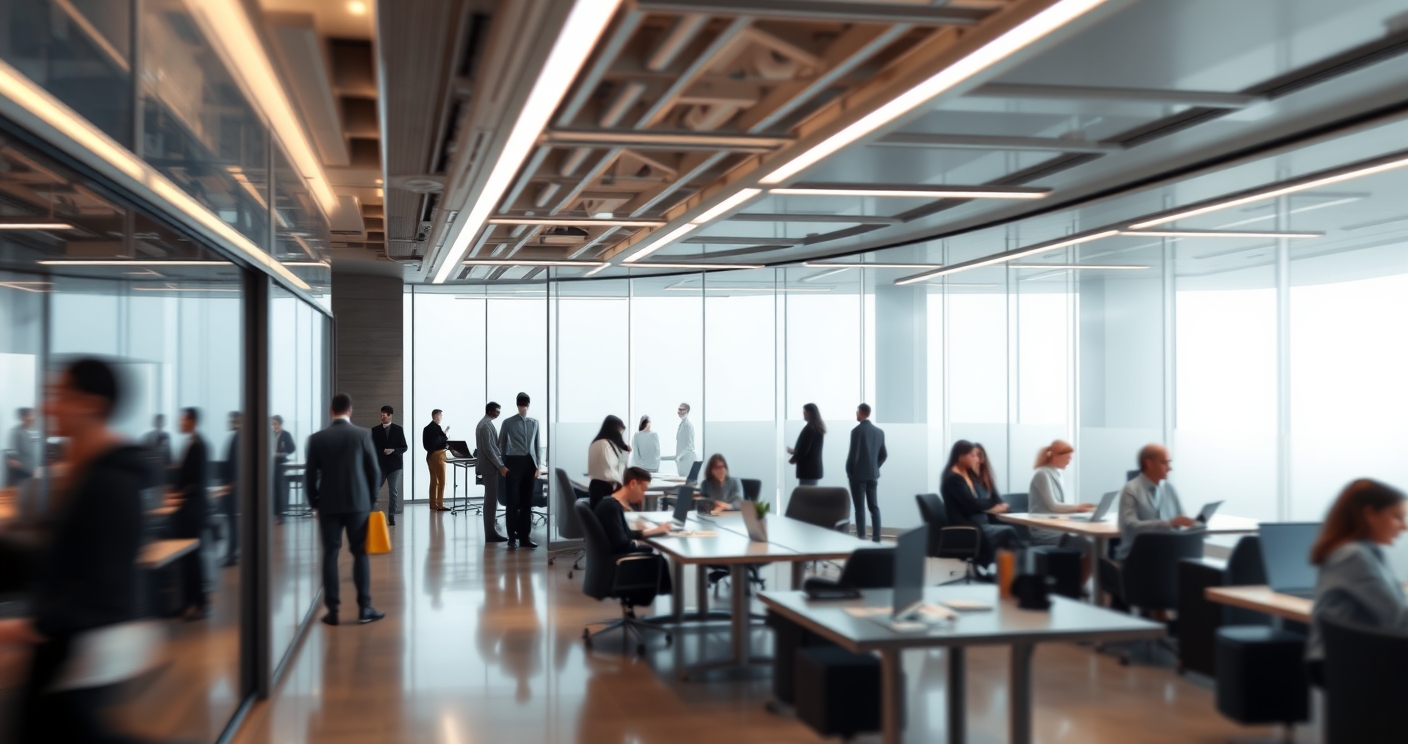
While the pretty finishes grab our eyes first, the hidden frameworks – those structural bits and systems that truly shape our rooms – are changing just as dramatically. We’re ditching stiff, unchanging construction for systems that are flexible, adaptable, and all work together seamlessly.
MODULAR AND PREFABRICATED SYSTEMS: BUILDING FOR CHANGE
Because everyone wants spaces they can customize and easily rearrange, we’re seeing a huge boom in modular building and interiors that are put together beforehand.
Demountable Partitions: Forget permanent drywall! We now have modular walls that can be taken down and moved, letting you rearrange spaces super fast and without a lot of mess or waste. Plus, they often have all the electrical and data wiring built right in.
Plug-and-Play Components: Whole room sections – like bathroom pods or kitchen units – can now be built somewhere else and then simply dropped into place with very little work needed on-site. This makes building much quicker and guarantees a consistent, high quality.
Flexible Layouts: These systems mean spaces can grow and change as your needs do – whether you’re adjusting an office for a new team or transforming an apartment for a growing family. This idea of ‘future-proofing’ is a key part of architecture that can adapt.
ADAPTIVE FRAMEWORKS: WHEN BUILDINGS INTERACT WITH YOU
It’s more than just simple modularity; the frameworks of tomorrow are being designed to be lively and smart, effortlessly combining services and reacting to what users need.
Integrated Service Conduits: Walls, floors, and ceilings are not just flat surfaces anymore. They’re becoming clever channels for electrical wires, data cables, heating and cooling systems, and even plumbing. This integration tucks away all the messy bits, makes spaces look cleaner, and simplifies upkeep.
Structural Elements as Design: Even the exposed beams and columns can be designed for more than just strength. They can look great too, sometimes even having lights or sound-absorbing features built right into them.
Kinetic Architecture: Picture walls that slide, fold, or spin to open or close off areas, or ceilings that change height depending on what you’re doing. These incredibly adaptive frameworks bring a whole new level of flexibility to how we design spaces.
BIOPHILIC FRAMEWORKS: BRINGING NATURE INTO THE HEART OF YOUR SPACE
Biophilic design isn’t just about the surface anymore; it’s reaching into the very bones of our interiors. Frameworks are now being made to effortlessly blend in natural elements.
Living Walls and Vertical Gardens: We can now engineer building structures to hold huge green walls. These don’t just look stunning; they also clean the air, help insulate, and even cut down on noise.
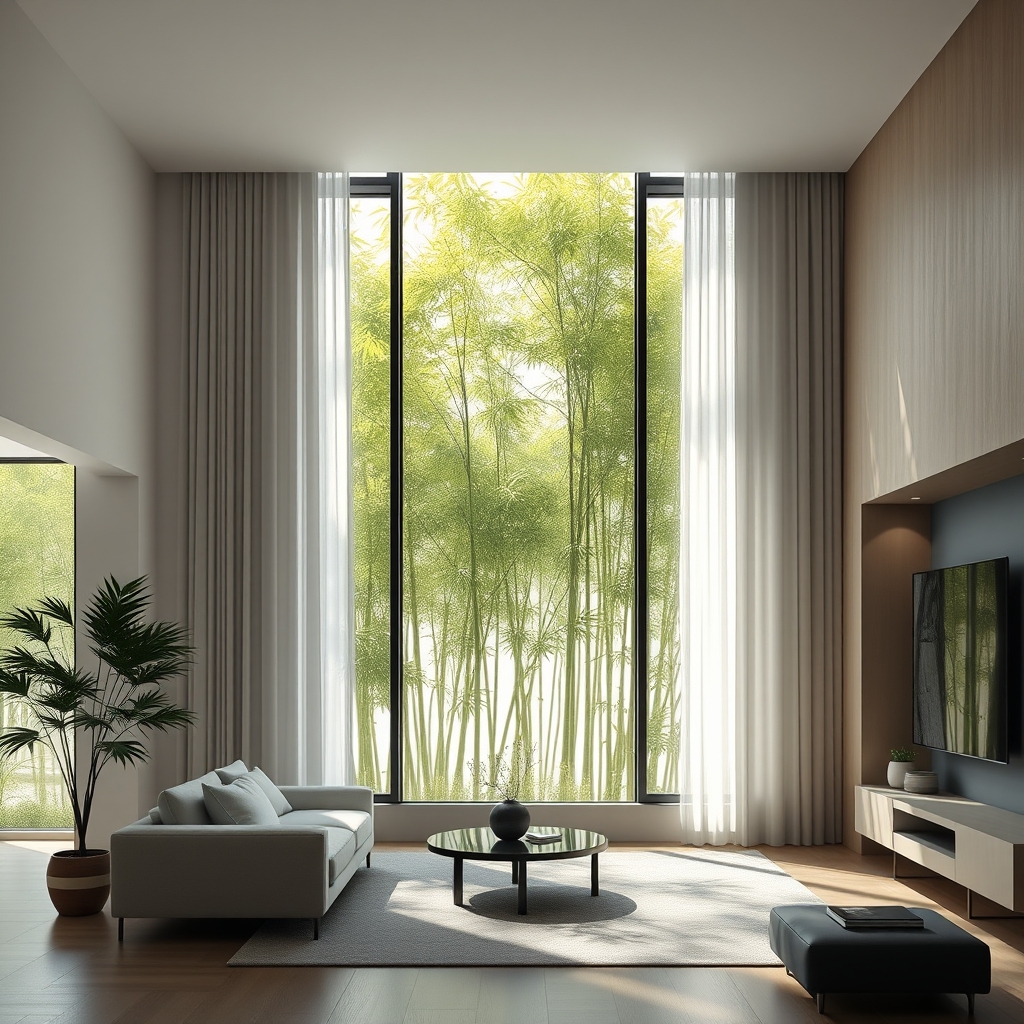
Natural Material Structures: When we use exposed wood, bamboo, or other natural materials as the main structural parts, it brings the cozy, real feel of nature right into your room.
Integrated Water Features: Frameworks can even be designed to include flowing water features or calm reflective pools. These create peaceful sensory experiences and help manage the humidity inside.
A SYNERGISTIC FUTURE: WHEN EVERYTHING WORKS TOGETHER
The real magic of this revolution isn’t just in each cool new thing by itself, but in how advanced finishes and smart frameworks work together perfectly. Imagine walking into a building where:
A modular framework creates the main structure, easily changing for whatever you need.
This framework neatly tucks away all the wiring for power, data, and environmental controls.
The outside is covered in smart finishes that react to the light, maybe changing how transparent they are or showing live info.
Inside, panels made from recycled stuff clean the air and soak up sound, all while letting you interact with them by touch.
Structural parts seamlessly include living green walls, making the air better and helping you feel closer to nature.
This complete approach to interior surfaces goes way beyond just designing bits and pieces. It’s all about making fully connected systems that perform brilliantly, use resources wisely, look stunning, and truly respond to both the people inside and the planet outside.
CONCLUSION: DESIGNING FOR A FLEXIBLE TOMORROW
The leap from simple decoration to active, smart parts is a massive change in how we think about and live in our buildings. By totally rethinking interior surfaces – from the finishes to the frameworks – designers, architects, and manufacturers aren’t just making prettier rooms. They’re actually building spaces that are healthier, smarter, much greener, and way more flexible than ever before.
The future of interior design is all about being dynamic, high-performing, and completely integrated. As we keep exploring new possibilities in materials and digital tech, our interior surfaces will increasingly shape not just how our rooms appear, but how they feel, how they work, and how they grow with us. Leaning into this future means designing with real intent, where every surface shares a tale of cleverness, sustainability, and taking care of people.