STOP OBSESSING OVER GIANT WINDOWS AND START CURATING YOUR VIEWS
For years, luxury home design followed one simple rule: the bigger the glass, the better. Floor-to-ceiling windows and massive glass walls took over Pinterest boards and architectural magazines with the promise of flooding spaces with light and blending indoor and outdoor living.
Living in a glass box, however, comes with unexpected downsides. Close neighbors, harsh glare, and zero privacy quickly ruin the cinematic dream, often leaving homeowners with heavy drapes permanently shut and defeating the point of expensive windows.
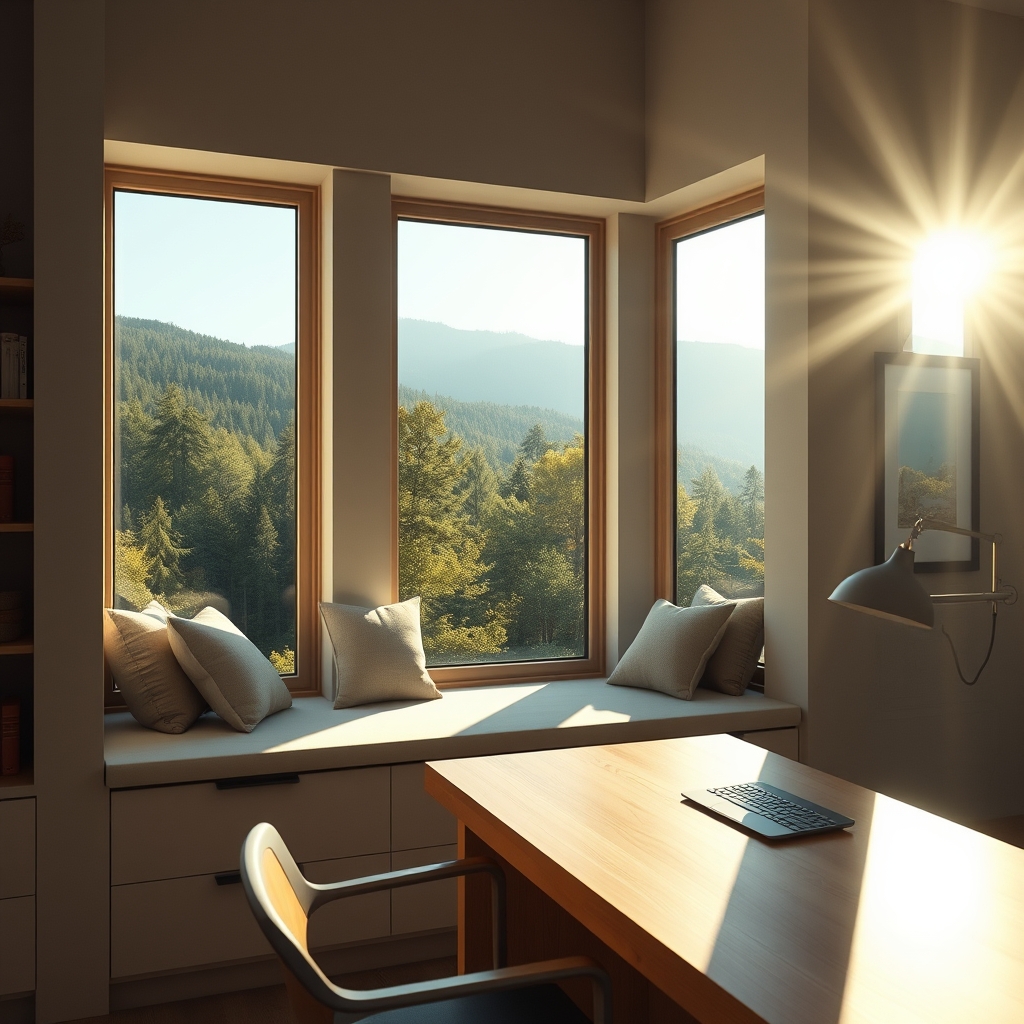
Luckily, modern design is finally moving away from this flawed approach toward something much smarter. Instead of treating the outdoors like an open billboard, architects are learning to frame specific parts of the landscape.
This clever shift gives you the best of both worlds by delivering plenty of natural daylight while keeping your private life hidden from the outside world. Think of these windows less as giant holes in the wall and more as living works of art.
WHY MASSIVE GLASS WALLS USUALLY FAIL IN REAL LIFE
Before diving into the fix, let us look at why the bigger is better mindset rarely works for everyday houses.
First comes the goldfish bowl effect. In most neighborhoods, wide picture windows put your living room on display for anyone walking by, forcing you to rely on blinds and frosted films.
Next up are energy issues. Even top tier triple pane glass lets in too much heat in the summer and loses warmth in the winter, driving up your power bills.
Visual fatigue also plays a huge role. Staring at an endless wall of glass gives your eyes no place to rest, overwhelming your senses with outside clutter.
Finally, you lose that cozy sanctuary feeling. Unfiltered views from every angle leave a home feeling exposed instead of grounded and safe.
THE ART OF FRAMING THE LANDSCAPE
Taking inspiration from traditional Japanese architecture and the idea of borrowed scenery, framing the landscape is all about capturing intentional outdoor moments.
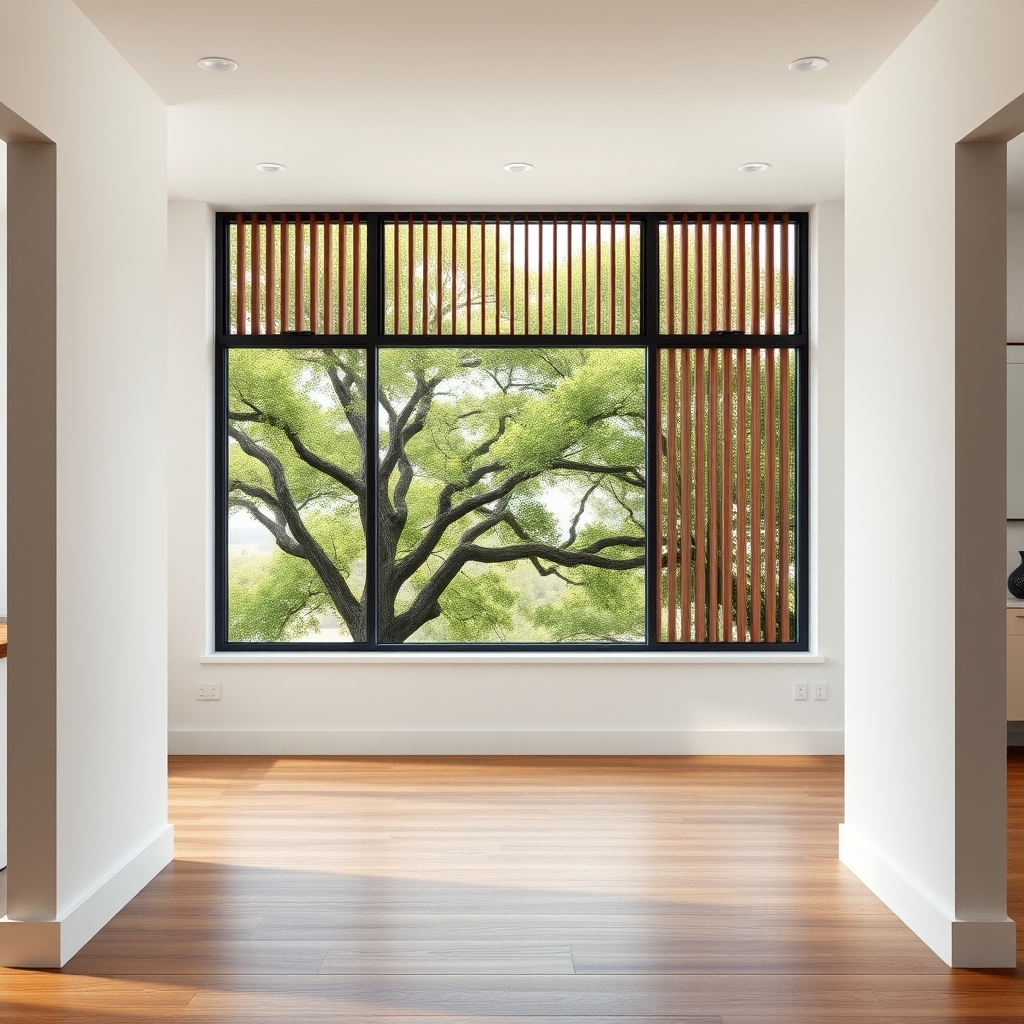
Rather than exposing everything at once, this method works just like a camera lens. It cuts out ugly views like utility poles or driveways and highlights the good stuff, like an old oak tree or the morning sky.
FOUR SMART WAYS TO CURATE VIEWS AND MAXIMIZE LIGHT
Moving from panoramic glass to curated views takes careful planning regarding window size, placement, and room layout.
USE HORIZONTAL RIBBON WINDOWS
Long, narrow strips of glass placed high up on walls or right above counters are secret weapons for balancing brightness and privacy. Placed at sitting eye level or near the ceiling, they let in sweeping daylight without letting strangers peer inside, making them ideal for kitchens and bathrooms.
DESIGN PRIVATE COURTYARDS AND POCKETS
If you really want large glass connections to the outside, stop looking outward at property lines and build inward instead. Crafting private interior gardens or light wells lets you use floor-to-ceiling glass safely because your view looks at your own private sanctuary.
PLAY WITH VERTICAL PROPORTIONS
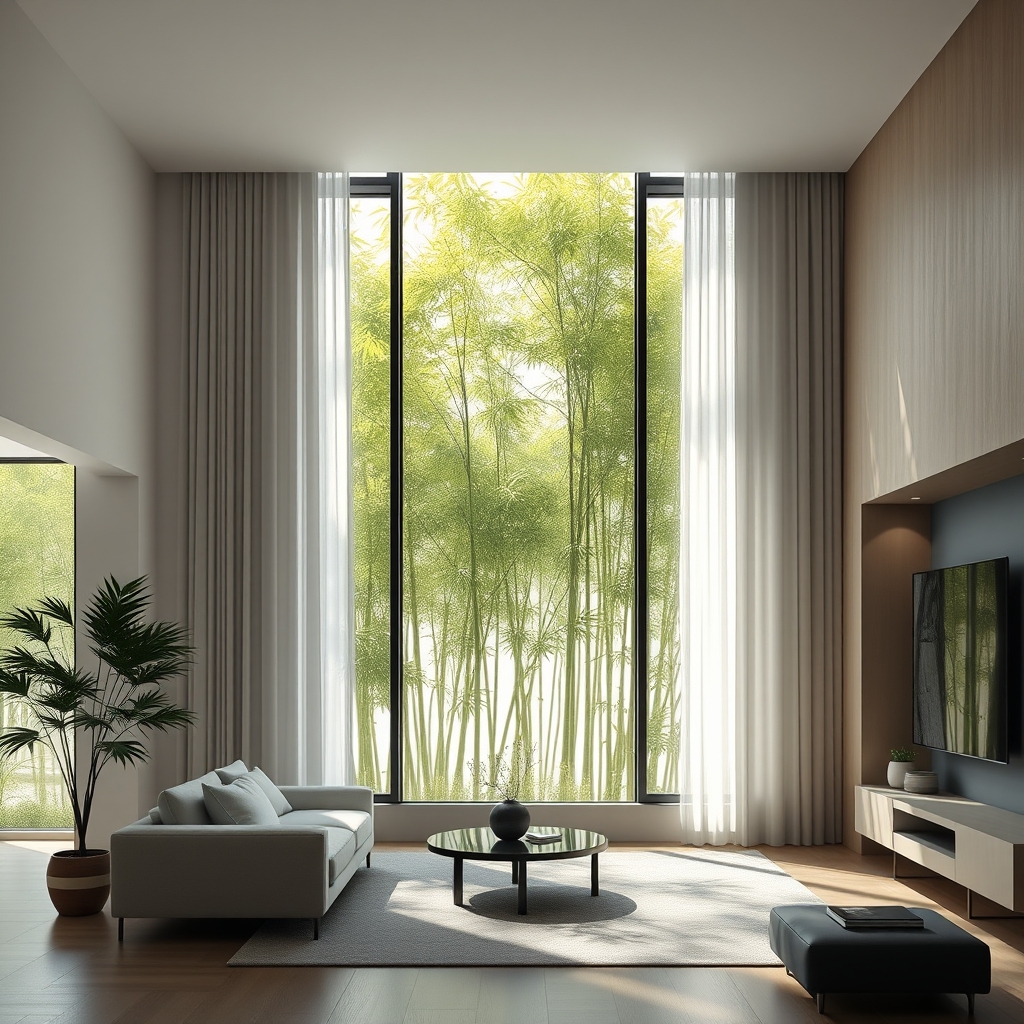
Treat your windows like portraits instead of landscapes. Tall, narrow vertical glass pulls your eyes upward toward the sky and trees while blocking the horizontal field of view where privacy issues usually happen.
LAYER TEXTURED AND TRANSLUCENT GLASS
You do not always need crystal-clear glass to bring the outdoors inside. Using reeded, fluted, or textured glass diffuses bright light deeply into your rooms while turning outside shapes into soft, blurry blocks of movement and color.
THE PSYCHOLOGICAL COMFORT OF FRAMED VIEWS
Curated views do more than just protect your privacy because they fundamentally change how a room feels. Humans naturally crave a connection to nature, but total exposure triggers a low-level sense of being watched.
Framed windows create a feeling of safe refuge. Sitting near a carefully positioned window looking out at a garden lets your nervous system relax because the architectural frame acts as a shield of comfort.
DESIGNING FOR QUALITY INSTEAD OF QUANTITY
The obsession with massive glass walls is fading away in favor of thoughtful, intentional design. Trading random glazing for framed views delivers enhanced privacy, optimized natural light, and elevated aesthetics all at once.
Next time you look at blueprints, ask yourself if you really need more glass or if you just need a better frame.
READY TO REDEFINE YOUR SPACE
If you are planning a renovation and want to balance natural light with privacy, chat with a designer who understands spatial choreography. Subscribe for more modern design insights and architectural strategies.