WHY TRYING TO BUILD EVERYTHING AT ONCE WILL RUIN YOUR HOUSE BUDGET
Starting the journey to build your dream home is undeniably thrilling. Between scrolling through endless design inspiration online and dreaming up layouts that fit your lifestyle, the anticipation is hard to beat. Yet, for countless future homeowners, that initial excitement quickly transforms into a stressful financial headache.
Talk to anyone who has gone through the process, and you will likely hear familiar tales of budgets spiraling out of control, construction stalling midway, and anxiety hitting an all-time high. It makes you wonder if the entire construction industry is just broken. While fluctuating material costs and supply chain issues certainly play a part, the single biggest mistake people make during a build has nothing to do with contractors or construction material prices. The real trap is trying to construct everything all at once. Let us look at why this all-in-one approach shatters budgets and how taking a phased path can save you from going broke.
THE PSYCHOLOGY OF THE FOREVER HOME TRAP
When people map out a custom home, they tend to focus on the big picture of their forever home. This long-term vision triggers a dangerous mental trap where you feel an urgent need to finish everything immediately. Homeowners often convince themselves that since the builders are already on site, they might as well finish the basement too. They worry that skipping the wraparound deck now will just make it more expensive later, or they feel they need every single bedroom, office, and garage right away.
This mindset forces you to pay for maximum square footage, premium finishes, and extensive outdoor work on day one, treating your house as a static final product instead of a space meant to evolve. Bank accounts are rarely limitless, and construction costs almost never come in under expectations. When you cram every single wish-list item into the initial phase, your financial safety net simply vanishes.
WHY BUILDING EVERYTHING AT ONCE DESTROYS YOUR BUDGET
Attempting to erect every meter square and include every luxury amenity right out of the gate creates several major problems for your finances.
When every single dollar of your loan or savings is tied up in the initial build, you leave zero margin for error. What happens when unexpected bedrock appears during excavation, or construction material prices suddenly spike? Without a solid financial cushion of fifteen to twenty percent, small hiccups turn into full-blown financial emergencies.
Scope creep is another silent budget killer. As you walk the site making daily choices, it is terribly easy to justify upgrading standard countertops to quartz or basic flooring to wide planks. Building a smaller footprint initially limits the surface area and curbs the temptation for endless upgrades.
Finally, building everything at once forces you to take on the largest possible loan from the start. You end up paying interest on rooms and patios that you might not even use for years.
THE SMART SOLUTION: THE PHASED BUILDING APPROACH
Experienced developers and smart architects have relied on a simple truth for decades: a home does not need to be finished all at once. A phased strategy means breaking your master plan into manageable steps, focusing your initial funds purely on what you need for comfortable living right now, while leaving extra spaces and luxury upgrades for the future.
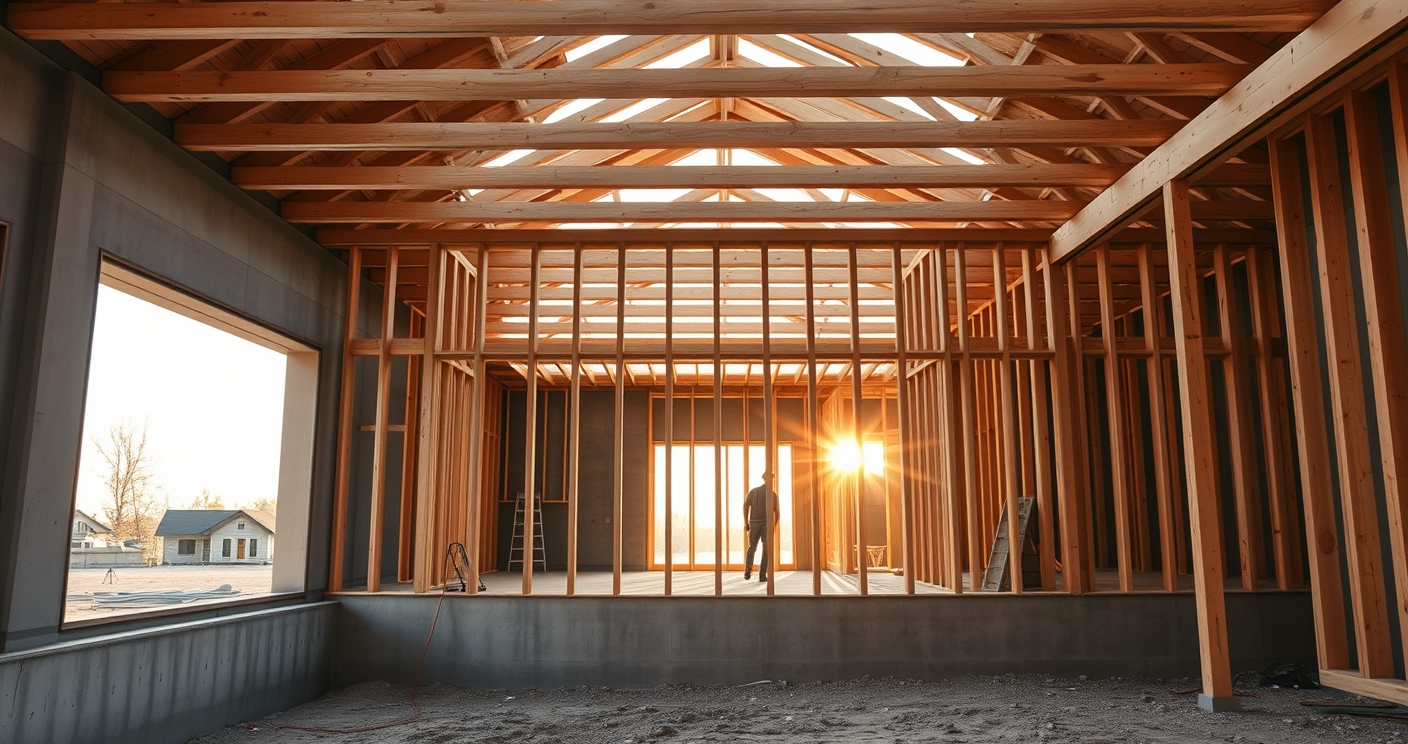
This approach forces you to separate your genuine needs from your mere wants. Do you really need a dedicated guest suite immediately, or could visiting family stay nearby a few times a year? It also manages your cash flow far better, allowing you to build, stabilize your finances, and pay for future expansions out of regular income rather than high-interest loans. Plus, a smaller initial footprint naturally lowers labor hours, utility setup costs, and property taxes.
This is the principle behind Qbox — a ready-to-build home designed to start small and expand over time.
HOW TO PLAN A PHASED CONSTRUCTION PROJECT SUCCESSFULLY
If you want to phase your build without living in a chaotic construction zone for years, you need a solid blueprint.
First, always design the complete end game right from the start. Phasing does not mean building haphazardly. Work with a designer to draft the ultimate vision so that future additions fit seamlessly. Make sure foundations, rooflines, and main electrical panels account for future expansions so you do not have to tear down walls later.
Next, define your core phase by including only what you need to live safely and comfortably, such as a functional kitchen, necessary bathrooms, adequate bedrooms, and vital insulation. Leave luxury finishes for later.
Finally, clearly categorize what can wait. Basements, attics, outdoor patios, secondary guest rooms, and high-end fixtures are all fantastic candidates for future phases when your bank account has had time to recover.
THE LONG-TERM BENEFITS OF PHASING YOUR BUILD
Aside from keeping your budget intact, building in stages offers surprising practical and mental perks. Living in a home for a couple of years before finishing the rest gives you real clarity on how you actually use the space. You might discover that the intended office works much better as a playroom.
Furthermore, it wipes out the paralyzing stress of living on the financial edge. Walking through a partially finished house that you actually own feels infinitely better than wandering through a fully finished mansion that is drowning you in debt.
Qbox is designed around a simple idea: build what you need today, while planning for what you may need tomorrow.