WHY BIGGER HOUSES ARE NOT BETTER AND WHAT TO FOCUS ON INSTEAD
For as long as most of us can remember, the ultimate life goal has been tied directly to square footage. We have always been told that bigger equals better. When you look at real estate listings, it is almost second nature to filter out anything that doesn’t boast an expansive floor plan, vaulted ceilings, and a massive garage.
Times are changing, though. As housing markets shift and what we value in life evolves, a new mindset is taking over. Architects, designers, and regular people buying homes are starting to realize a simple truth. Adding more square footage doesn’t magically make a home better to live in.
Once you cross a certain line, all that extra space stops being a luxury and turns into a total headache. Piling on needless square footage just cranks up your construction and upkeep bills while adding zero real value to your actual day-to-day life.
If you are currently sketching out a floor plan, house hunting, or planning a renovation, it is time to drop the obsession with sheer size. Here is the reality check on why bigger isn’t always the winner, along with the features you should actually care about.
THE HIDDEN COSTS OF EXTRA SQUARE FOOTAGE
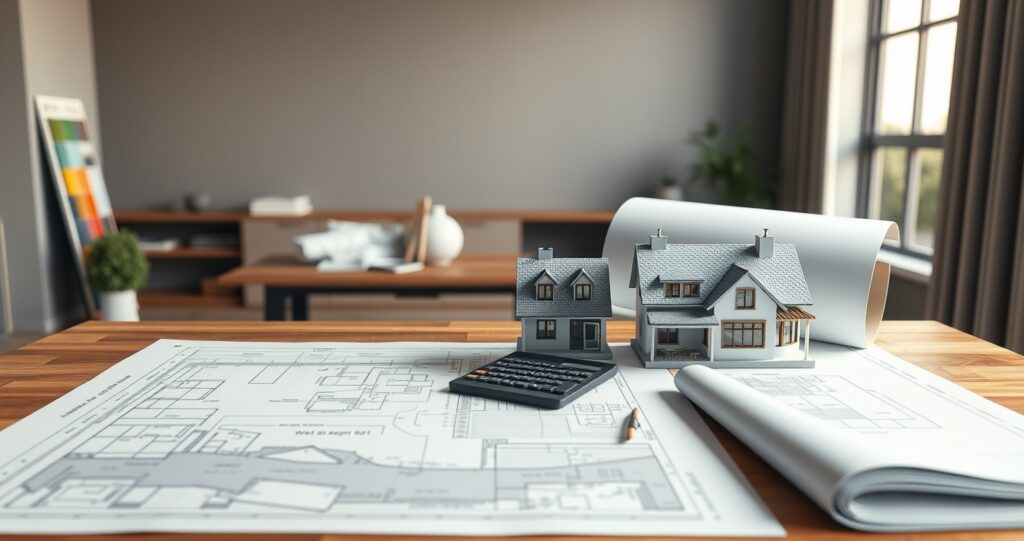
Looking at a blank blueprint, an extra five hundred square feet looks like pure potential. Your brain instantly fills that gap with a personal yoga studio, a sprawling guest suite, or a formal living room you will probably sit in twice a year.
The catch is that every single extra foot comes with a long-term price tag that goes way beyond your initial monthly mortgage payment.
EXPONENTIAL CONSTRUCTION AND MATERIAL COSTS
Building a house is definitely not a straightforward math problem. As the square footage creeps up, the engineering gets trickier, requiring specialized materials and a lot more labor. High-end finishes that look incredible in a cozy room will instantly blow your budget if you try to stretch them across a massive, cavernous space, forcing you to compromise on quality.
THE PERPETUAL MAINTENANCE TRAP
Big houses eat up energy just trying to stay warm or cool, which means your utility bills will hurt month after month. On top of that, chores scale up right along with the floor plan. A bigger roof means more spots to leak, more drywall means more cracks to patch, and more flooring means endless vacuuming. In a supersized house, your weekends get eaten alive by chores instead of actual rest.
THE UNUSED SPACE PHENOMENON
Let’s be totally honest about how we actually live. In oversized homes, entire wings, formal dining areas, and spare bedrooms sit pitch black and empty for most of the year. You are essentially paying property taxes, insurance, and heating bills for rooms that do absolutely nothing for your daily routine.
QUALITY VERSUS QUANTITY THE ECONOMICS OF SMART DESIGN
Good design isn’t about hoarding space. It is about making the room you actually have work a lot harder for you.
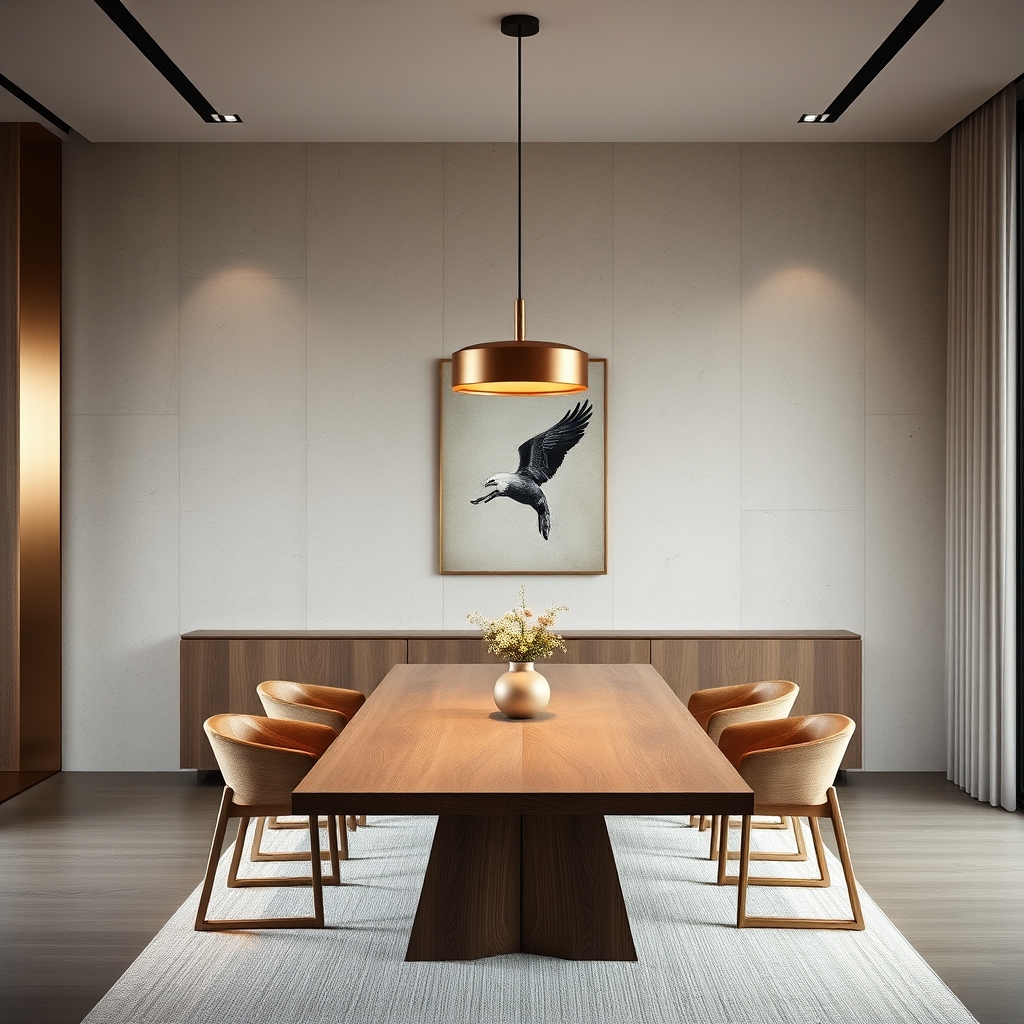
Architects love to talk about spatial efficiency. A smartly planned eighteen hundred square foot home will easily beat a poorly laid out three thousand square foot mansion any day of the week when it comes to comfort and flow.
ELIMINATING DEAD ZONES AND HALLWAYS
Wasted space usually shows up as endless empty hallways, oversized landings, and massive entryways that serve zero purpose. Smart design cuts the fat out of a floor plan, grouping living spaces logically so every single inch earns its keep.
THE POWER OF MULTI-FUNCTIONAL ROOMS
Instead of locking down square footage for single-use spots you rarely touch, like a dedicated office or a formal dining room, modern homes lean into flexibility. Built-in furniture, Murphy beds, and pocket doors let a room shift seamlessly from a daytime workspace into a cozy guest bedroom by night.

WHAT ACTUALLY MAKES A HOUSE BETTER
If square footage isn’t the ultimate scorecard for a great home, what is? If you want to invest your money in a smart way, pivot your focus toward these high-impact features.
THOUGHTFUL FLOW AND ZONING
How a house feels when you walk through it matters infinitely more than its physical dimensions. A solid floor plan creates a natural bridge from loud public areas like the kitchen to quiet private zones like the bedrooms. It handles acoustics and privacy like a pro, keeping family members out of each other’s hair even in a modest footprint.
SUPERIOR MATERIALS AND CRAFTSMANSHIP
Would you rather live in a massive box built with hollow doors and thin drywall, or a compact home packed with solid hardwood, custom cabinets, and sturdy windows? Pouring your budget into better finishes upgrades your daily sensory experience. You touch the handles and walk on the floors constantly, and that investment brings way more daily joy than a random extra bedroom.
CONNECTION TO THE OUTDOORS
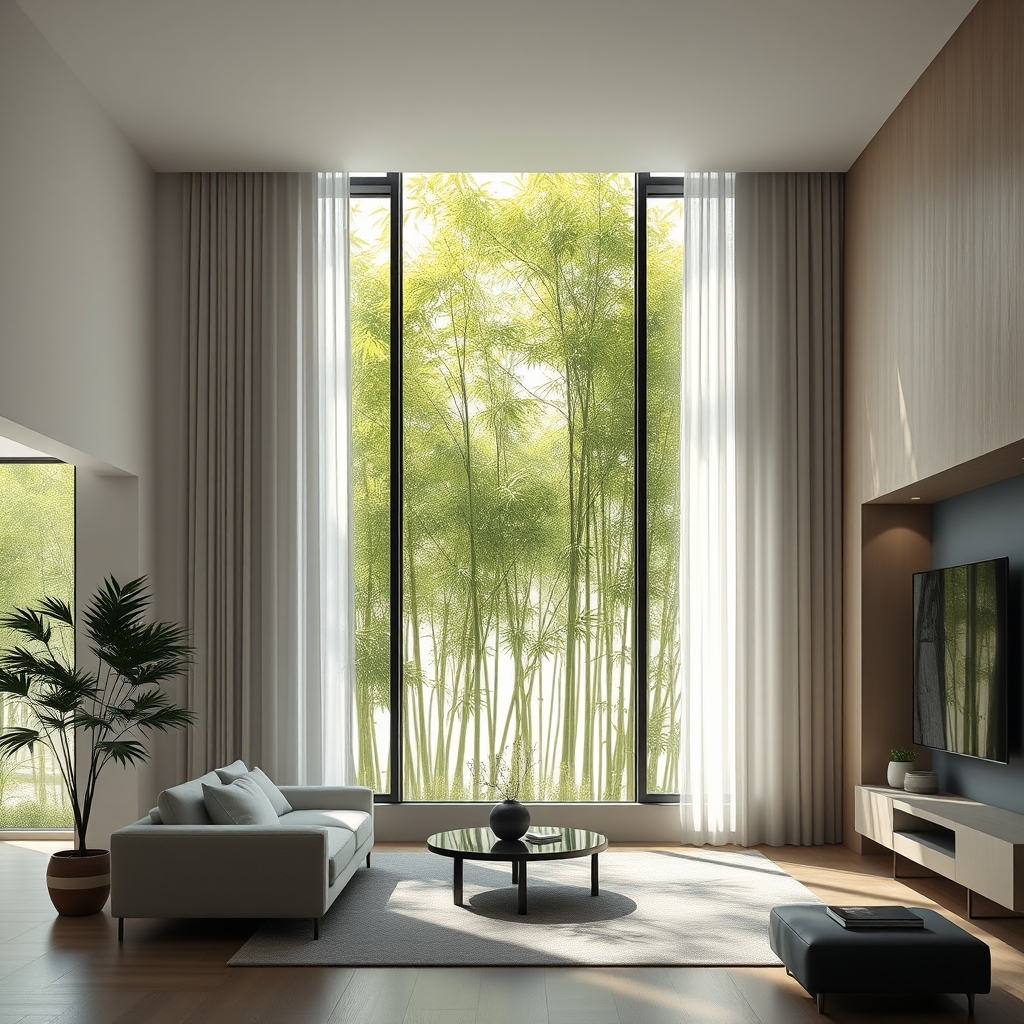
One of the cheapest tricks to make a home feel huge and luxurious is blurring the line between inside and out. Big windows framing a garden view, a killer patio that acts as an outdoor living room in the summer, or sliding glass doors that completely disappear all do the trick. Nature becomes an extension of your house without driving up your heating bill.
ENERGY EFFICIENCY AND SUSTAINABILITY
A truly fantastic home keeps you comfortable all year round. Putting your money into proper insulation, smart solar positioning, and modern HVAC systems creates a healthy indoor climate. Your operating costs drop through the floor, leaving you with extra cash to actually enjoy your life.
REDEFINING SUCCESS IN HOMEOWNERSHIP
The cultural obsession pushing us toward gargantuan houses is finally starting to fade. Homeowners are waking up to how liberating it is to downsize and design with actual intention.
Your home should act as a sanctuary that supports your life, not a financial anchor that demands a second job just to clean and maintain it. By focusing on smart layouts, great materials, natural light, and intentional planning, you can build a space that feels luxurious without any of the extra baggage.
Remember this simple rule. When it comes to real estate, you never want to buy space you just have to maintain. You want to buy a lifestyle you can actually enjoy.