WHY SOME HOMES FEEL EXPENSIVE EVEN WHEN THEY ARE NOT
Stepping into a truly gorgeous home hits you long before you can put your finger on why. There is an immediate vibe of calm, weight, and timelessness hanging in the air.
Naturally, our brains jump straight to the price tag. We figure the magic comes from imported Italian marble, custom exotic wood, or faucets dipped in gold. Yet if you have ever wandered through a multi-million-dollar box that somehow felt cold and disjointed, you already know the truth. Fancy materials do not automatically equal luxury.
In fact, plenty of lavish pads feel surprisingly hollow. Meanwhile, modest spaces built with real architectural thought can take your breath away.
Real luxury lives in our heads and our senses. It relies on design tricks builders have used for centuries. Looking past the finish catalog to understand the true bones of a space reveals what actually makes a house feel expensive.
PROPORTION AND SCALE CREATE THE INVISIBLE FOUNDATION
Before a single drop of paint hits the wall, a room’s fate is sealed by its proportions. That is just the relationship between height, width, and length, and it remains the heaviest hitter in luxury design.
THE PROBLEM WITH GIANTS
We have all seen those massive houses boasting giant two-story living rooms paired with tiny windows and low hallways. They feel off because the scale is broken. When a room towers too high for its width, it turns drafty and clinical instead of grand.
WHY GOOD PROPORTIONS JUST WORK
Old-school architecture leans on math like the Golden Ratio because our brains crave geometric harmony.
Ceilings do not need to reach twenty feet to feel pricey. A well-proportioned nine or ten-foot ceiling often feels way more intimate, sophisticated, and human.
Expensive homes also feature a natural rhythm as you walk through them. They transition smoothly from wide public spaces for parties down to cozy, wrapping private dens.
MASTERING LIGHT SERVES AS ARCHITECTURES CHEAPEST PAINT
You can drop a fortune on custom wall textures, but poor lighting will always drag the room down. High-end design treats light like an actual building block.
SUNLIGHT AS A MAJOR ASSET
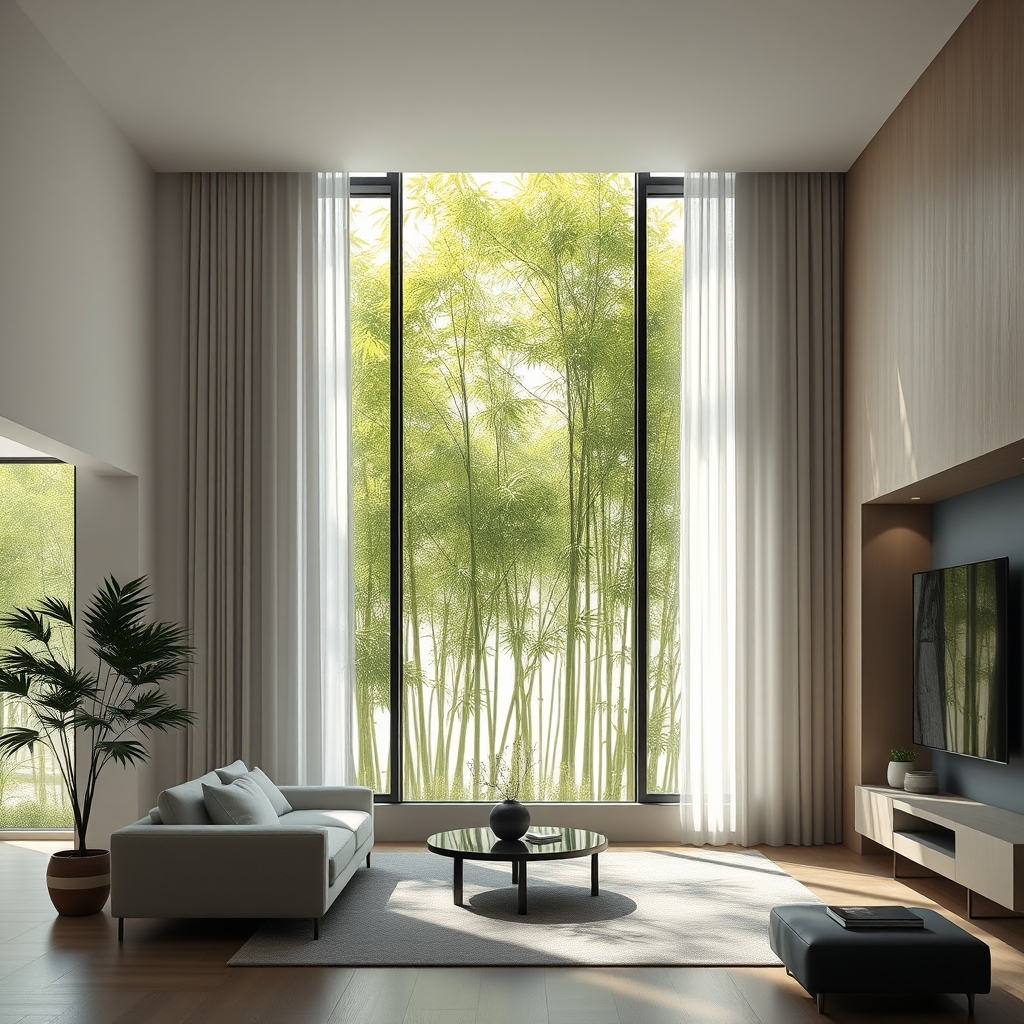
In real estate, light is the ultimate flex. Luxury homes are basically built around the sun.
Expensive layouts map out how sunlight moves all day long. They make sure morning rays hit the kitchen while warm afternoon glow fills the living room.
Instead of dropping standard windows dead center on a wall, great design uses floor-to-ceiling glass or skylights to frame views and bounce daylight deep inside.
LAYERED LIGHTING BEATS THE OVERHEAD BULB
Amateur design usually slaps one glaring light in the center of the ceiling and calls it a day. Luxury design is all about layers.
You need ambient light for general glow, task light for getting things done, and accent light to show off art or cool textures.
Best of all, you rarely spot the actual light source in an upscale house. You just see the effect, like a soft wash down a stone wall or a hidden glow under floating cabinets.
SPATIAL SEQUENCE AND FLOW GUIDE THE JOURNEY
How do you actually move through your house? In a standard tract home, you open the front door and stare right into the kitchen or living room with zero mystery or buildup.
Luxury is totally different because it relies on spatial sequence, which is just the choreography of moving from one room to the next.
THE ART OF THE BIG REVEAL
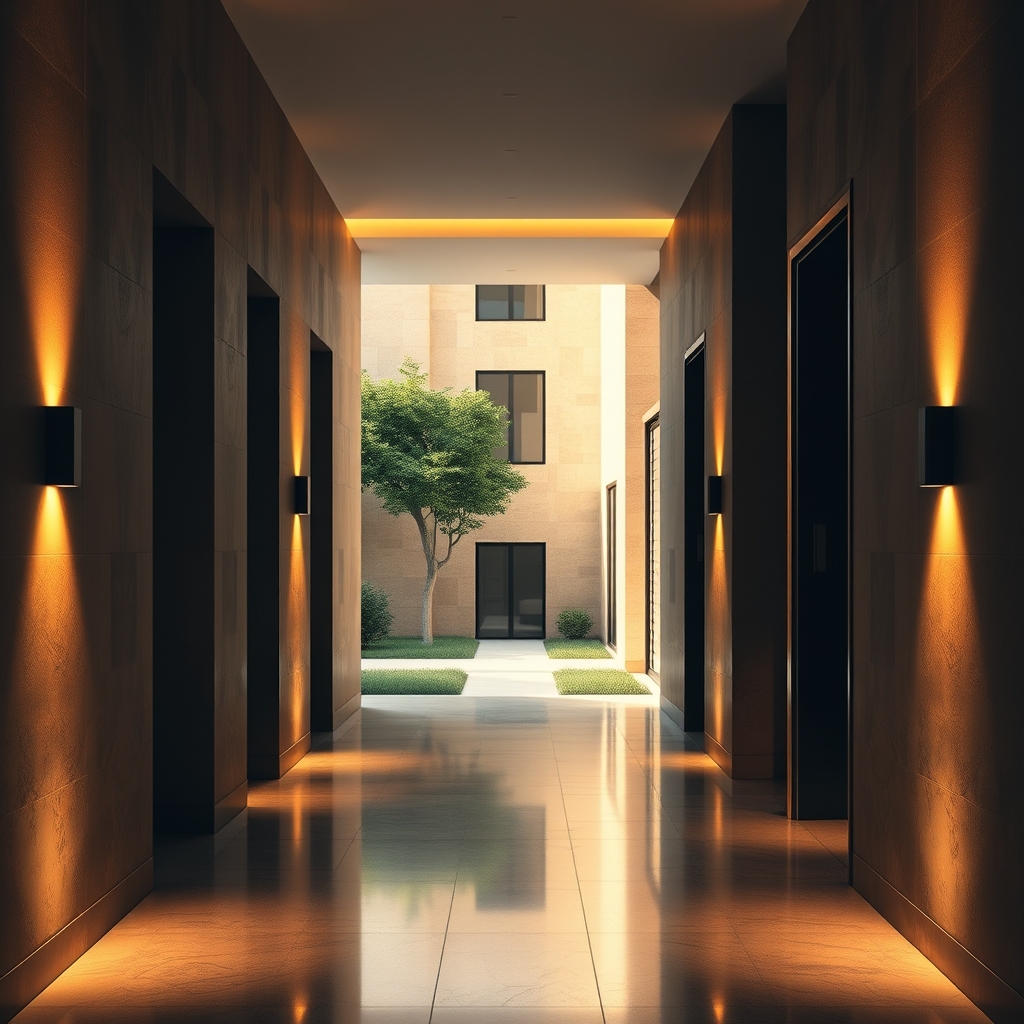
High-end homes love playing with compression and release. You might walk through a tight, low entryway before dropping down into a massive, sun-soaked living area. That sudden shift punches you right in the gut emotionally.
VISTAS AND SIGHTLINES
Expensive homes guide your eye on purpose. Standing in a hallway might pull your gaze toward a killer piece of art, a courtyard, or a gorgeous fireplace. Every single step feels intentional.
ARCHITECTURAL DETAILING SHOWS IN TRIM AND HARDWARE
If proportion and light are the skeleton, detailing is the tailoring. Just like a custom suit beats an off-the-rack jacket in the stitching, a pricey home wins on finishing touches.
Cheap builds use flimsy baseboards and basic door frames. High-end spaces invest in heavy millwork.
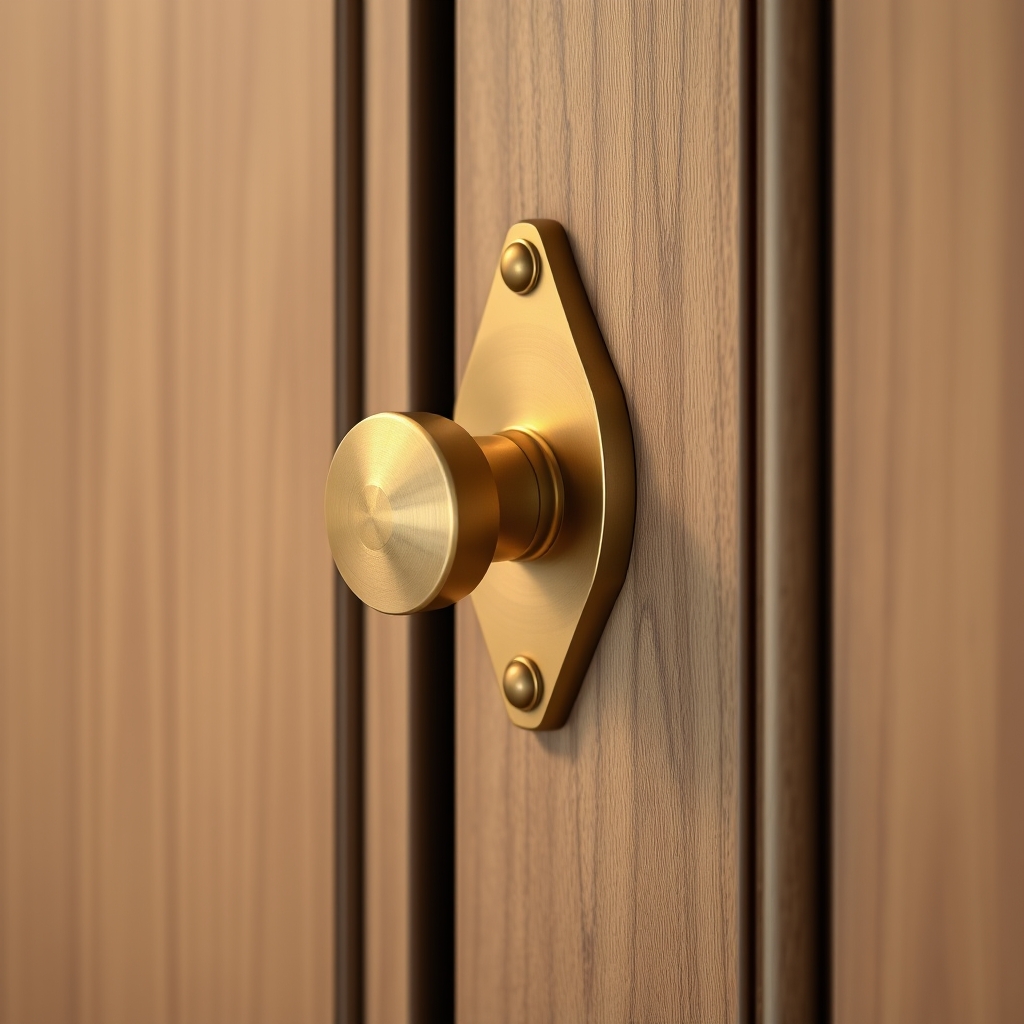
Thick, layered baseboards anchor a room and make ceilings feel taller. When you turn a doorknob in a luxury build, it has actual weight and clicks shut with a satisfying thud instead of a hollow rattle.
Door levers, pulls, and faucets act like jewelry for the house. Unlacquered brass or brushed bronze gets a gorgeous patina over time, feeling cool and heavy in your hand. Swapping out your hardware is hands down the fastest trick to fake a high-end look.
MATERIAL RESTRAINT PROVES LESS IS MORE
The biggest myth in interior design is that luxury means piling on expensive finishes. In reality, knowing when to stop is the ultimate sign of sophistication.
Amateur design tries to cram in every cool material under the sun. You end up with granite here, marble there, rustic wood in the corner, and mosaic tile in the powder room. It is just visual noise.
Expensive design is edited. A truly luxurious space sticks to a tight, honest palette of tactile materials.
Instead of five flooring types, it runs wide-plank white oak everywhere. Instead of fake laminate marble, it uses a single breathtaking slab of real soapstone on the island.
Real materials are honest. Wood looks like wood, stone feels heavy, and metal has grit. Because they are authentic, they do not need to shout. They just age gracefully, soaking up life while fake stuff simply falls apart.
CRAFTING YOUR OWN VERSION OF LUXURY
Making a house feel expensive has almost nothing to do with emptying your bank account. It is entirely about being intentional.
When you focus on good proportions, milk your natural light, curate your views, invest in heavy hardware, and practice restraint with finishes, you build a space that feels grounded and peaceful.
Luxury is not about showing off cash. It is about crafting a spot that respects the human scale and stands the test of time, which is something money alone cannot buy.