YOUR DREAM HOME: LIGHT GAUGE STEEL OR BRICK & MORTAR?
Deciding how to build your new home is a huge step, arguably one of the most crucial choices you’ll make! This decision touches every part of your project, from how much it costs and how long it takes, to how well your home stands up over time, how energy-efficient it is, and even how beautiful it looks. In today’s bustling construction world, two main players often pop up for homes: the classic, enduring charm of traditional brick and mortar, and the sleek, modern efficiency of Light Gauge Steel (LGS) construction.
Both ways of building come with their own unique perks and drawbacks, designed to fit different dreams and priorities. This guide will take a deep dive into what’s great and not-so-great about LGS versus the classic brick and mortar, giving you the insights you need to confidently choose for your future home.
GETTING TO KNOW THE BUILDING METHODS
WHAT’S TRADITIONAL BRICK AND MORTAR ALL ABOUT?
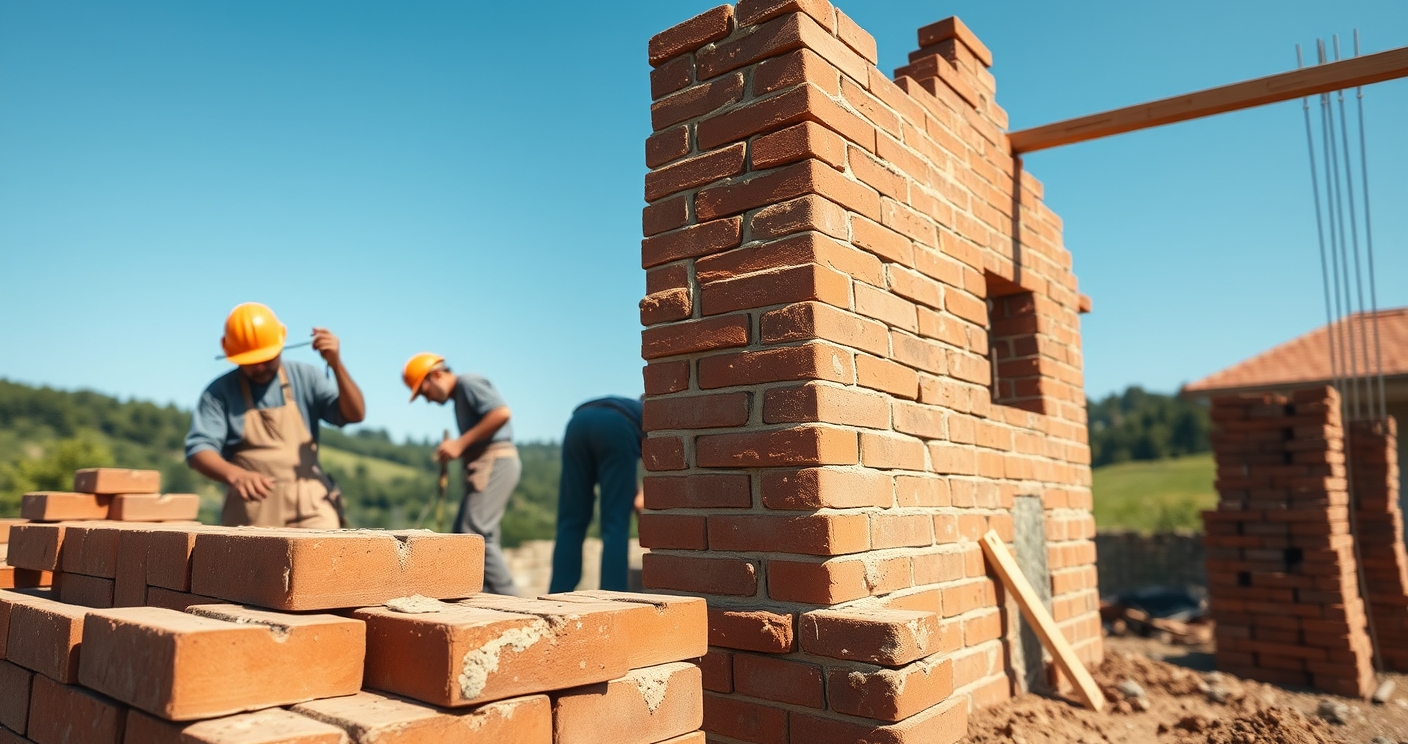
Traditional brick and mortar, or masonry as it’s often called, is one of the world’s most time-honored building methods. It’s all about carefully laying individual bricks (or sometimes concrete blocks or stones) one by one, sealing them together with mortar. These sturdy walls aren’t just for show; they actually bear the weight of your entire home! Usually, you’ll find concrete foundations and timber-framed roofs completing the picture. People love this method because it’s stood the test of time, proving incredibly strong and offering that familiar, classic look.
SO, WHAT IS LIGHT GAUGE STEEL (LGS) CONSTRUCTION?
Light Gauge Steel (LGS) construction, also known as cold-formed steel framing, is a much newer kid on the block. This technique uses lightweight, super-strong steel sheets, expertly shaped into C-sections and other forms. What’s cool is that these pieces are usually built off-site into ready-to-go wall panels, roof trusses, and floor joists. Then, they’re brought to your property and quickly put together to form the building’s skeleton. For the outside, LGS homes can wear many hats, from cement board and plaster to even slim brick veneers, giving you tons of finish options.
LGS CONSTRUCTION: THE NEW KID ON THE BLOCK
WHY LGS MIGHT BE YOUR BEST BET
Speed of Construction: If you’re eager to move in, LGS might just be your speed demon! A huge plus here is how fast these homes go up. Since many parts are built in a factory beforehand, putting them together on-site is a breeze. This can really trim down your total construction schedule compared to older building ways.
Cost-Efficiency: Now, the price of steel can jump around a bit, but LGS often turns out to be quite economical overall. You’ll likely see lower labor costs because assembly requires less specialized skill, plus there’s hardly any waste. A shorter build time also means less money spent on project management and interest charges.
Durability & Strength: Talk about tough! Steel has an amazing strength-to-weight ratio, which means LGS homes are incredibly robust and stand strong against whatever nature throws at them. It’s also fire-resistant, a total nightmare for pests like termites, and holds up incredibly well during earthquakes, making it a smart choice for shifty areas. Best of all, it won’t warp, rot, or crack as the years go by.
Design Flexibility: Dreaming of open spaces and unique shapes? Steel’s natural strength and versatility give architects a playground of freedom. LGS frames make it easy to create those huge, open-plan living areas, long unsupported stretches, and intricate designs that would be tricky or much pricier with traditional building methods.
Sustainability: If going green is on your mind, LGS shines here. Steel is completely recyclable, making it an excellent sustainable option. Since so much is pre-built in the factory, there’s less mess and waste on your actual construction site. Plus, that precise engineering often results in a super-tight building envelope, meaning better insulation and impressive energy savings.
Consistency & Quality: When things are made in a factory, you get consistency. LGS components are produced with incredible precision and strict quality checks. This means everything is uniform, greatly cutting down on the human errors that can sometimes pop up with old-school manual building.
WHAT TO PONDER ABOUT LGS
Material Cost Fluctuation: Here’s a heads-up: steel prices can be a bit of a rollercoaster, thanks to global markets. This can make it a little tricky to predict your budget precisely, both for builders and future homeowners.
Acoustic Performance: If not insulated properly, steel frames can sometimes carry sound more readily than thick brick walls. It’s super important to plan carefully and include sound-dampening materials to keep your home nice and quiet.
Thermal Bridging: Steel is pretty good at conducting heat. So, if your insulation isn’t spot-on, you might get what’s called ‘thermal bridging,’ where heat escapes or enters right through the steel frame. To keep things energy-efficient, you’ll need a thoughtful design and smart insulation plan.
Specialized Labor & Design: Even though putting an LGS home together can be quick, it does need specific design expertise and skilled hands for both manufacturing and precise installation. Depending on where you live, tracking down truly experienced LGS builders might take a bit more effort.
Perceived Value/Resale: Let’s be real: while opinions are shifting, some folks still instinctively connect the ‘solid’ feel of a brick house with higher quality and better resale value. This can sometimes be a hurdle for LGS homes, even though they’re incredibly strong.
TRADITIONAL BRICK AND MORTAR: THE TIMELESS FAVORITE
WHY BRICK AND MORTAR STILL SHINES
Thermal Mass: Brick walls are fantastic at something called ‘thermal mass.’ What does that mean? They soak up and hold onto heat slowly, then release it little by little. This neat trick helps your home stay refreshingly cool in the summer and cozy warm in the winter, meaning your air conditioning and heating systems get a bit of a break, saving you energy.
Sound Insulation: Brick walls are wonderfully dense, which makes them exceptional at blocking sound. They do a great job of muffling outside noise, giving you a much quieter and more peaceful sanctuary inside your home.
Durability & Longevity: When it comes to standing the test of time, brick homes have centuries of proof. They’re incredibly tough, shrugging off harsh weather, fire, and pests with ease. With just a little upkeep, a brick house can comfortably last for many, many generations.

Aesthetics & Resale Value: There’s just something about the classic look and sturdy feel of brick that people love. These homes consistently hold their value well, often fetching great prices when it’s time to sell, all thanks to that enduring quality, durability, and timeless charm.
Familiarity & Workforce: Everybody knows brick. This traditional method is deeply understood by a huge number of skilled tradespeople, and the building rules and practices are firmly in place. This makes finding experienced contractors and builders for your project much simpler.
THE FLIPSIDE OF BRICK AND MORTAR
Construction Time: If patience isn’t your strongest suit, be aware that laying bricks and waiting for mortar to set is a step-by-step, labor-heavy process. This means traditional building generally takes a good deal longer than LGS, especially for bigger homes.
Higher Labor Costs: Because bricklaying is such a hands-on, skilled craft, you’ll often find that the labor costs are quite a bit higher compared to building with LGS.
Design Limitations: Brick is strong, no doubt, but it’s not always the most flexible for those sweeping open-plan layouts or really intricate architectural details. Achieving these often means adding substantial extra structural support, which, you guessed it, adds to the cost.
Waste Generation: Building with brick and mortar on-site can lead to more waste – think broken bricks, mortar drips, and packaging. This can bump up your disposal costs and leave a larger environmental footprint.
Weight & Foundation: Masonry structures are heavy, plain and simple. Their substantial weight demands much more robust, and typically more expensive, foundations compared to the lighter LGS frames.
Environmental Impact: Producing bricks uses a lot of energy, relying on super-hot kilns. This raises some questions about the ’embodied energy’ in your home and its overall carbon footprint.
WHAT FUTURE HOMEOWNERS SHOULD REALLY THINK ABOUT
Budget: Look beyond just the initial material and labor costs. Think about the big picture, including how much you might save on energy and upkeep down the road.
Timeline: How fast do you want to be able to move in? If getting into your new home quickly is top of mind, LGS could definitely be the more attractive option.
Climate: Your local weather matters! Ponder how each building material handles things like temperature swings, humidity, and any extreme weather your area faces.
Design Aspirations: Do you dream of wide-open spaces and a sleek, modern look? LGS gives you a lot more wiggle room. But if you’re after that timeless, rock-solid feel, brick is probably your winner.
Long-Term Maintenance & Energy Efficiency: Don’t forget the long haul! Consider how much insulation each method needs, its overall toughness, and the expected lifespan and repair bills.
Local Expertise: Before you commit, make sure there are skilled architects, engineers, and builders nearby who are truly experienced with whichever construction method you choose.
THE FINAL WORD
So, both Light Gauge Steel and traditional brick and mortar bring some seriously good benefits to the table for building your home. Honestly, there’s no single ‘best’ method for everyone. The right choice for you really comes down to weighing your personal priorities, how much you want to spend, what your dream home looks like, and what the local environment is like.
LGS construction gives you a modern, fast, and eco-friendly route, bringing speed, lots of design options, and impressive resilience against the elements. Traditional brick and mortar, though, is a true classic, showcasing lasting quality, fantastic thermal insulation, quiet interiors, and an aesthetic that simply never goes out of style.
At the end of the day, your smartest move is to chat with seasoned architects and builders. They can offer personalized advice, guiding you through these choices so you can build your dream home feeling totally confident.