The Psychology of Space: How Architecture Shapes Your Well-being

UNLOCKING THE SECRET LANGUAGE OF SPACES: HOW ARCHITECTURE SHAPES YOUR SOUL


Hey there! Have you ever stepped into a room and instantly felt a wave of peace, or maybe a strange unease? Or perhaps you’ve noticed you’re a superstar at work in one spot, but totally stuck in another, and you can’t quite put your finger on why? Well, that’s no accident. It’s the powerful, often hidden, way our surroundings quietly nudge our inner world. Architecture isn’t just about cool buildings made of concrete, steel, and glass; it’s like a silent sculptor for our minds, deeply influencing how we feel, act, and even think.

This amazing dance between people and their places is what we call environmental psychology. It’s a field all about figuring out how the stuff around us changes what we see, what we feel, and what we do. Think about it: from the grand, soaring ceilings of a huge cathedral to the warm, snug feel of your favorite little coffee shop, every single design decision weaves together a rich mix of sights, sounds, and emotions. Grasping this connection gives us super helpful ideas, not just for architects and city planners, but for anyone who wants to make their home or office a place that really boosts their happiness and helps them do their best work.

Understanding Environmental Psychology: The Human-Environment Nexus


So, what’s environmental psychology all about? Simply put, it dives deep into how we humans bump into, live with, and get shaped by everything around us. It’s not just admiring a building for how pretty it looks; it’s about digging into how it actually works for us, both practically and mentally. This cool field borrows ideas from psychology, architecture, city planning, and even how societies work, because it understands that our surroundings aren’t just scenery; they’re actually active players in our everyday stories.

The ripple effects of this understanding are huge! When we design spaces thoughtfully, keeping human psychology in mind, we can spark creativity, dial down stress, make it easier for people to connect, and even give our physical health a boost. On the flip side, a badly designed room can leave us feeling uncomfortable, anxious, less productive, or even all alone. So, ready to peek behind the curtain and see which specific bits of architecture hold all this incredible psychological power?

Key Architectural Elements and Their Psychological Impact


Think of a building’s design as a big orchestra; all the different parts play together to make one complete, amazing spatial experience. But even though they work as a team, each individual element carries its own unique psychological punch.

A. The Power of Light: Illumination’s Influence on Mood and Cognition


When we talk about how things affect our mind, maybe nothing hits us quite as deeply as light does. Our bodies are totally plugged into the natural rhythm of day and night. This connection controls our circadian rhythms, which is basically our internal body clock managing sleep, how awake we feel, and all sorts of other bodily functions.

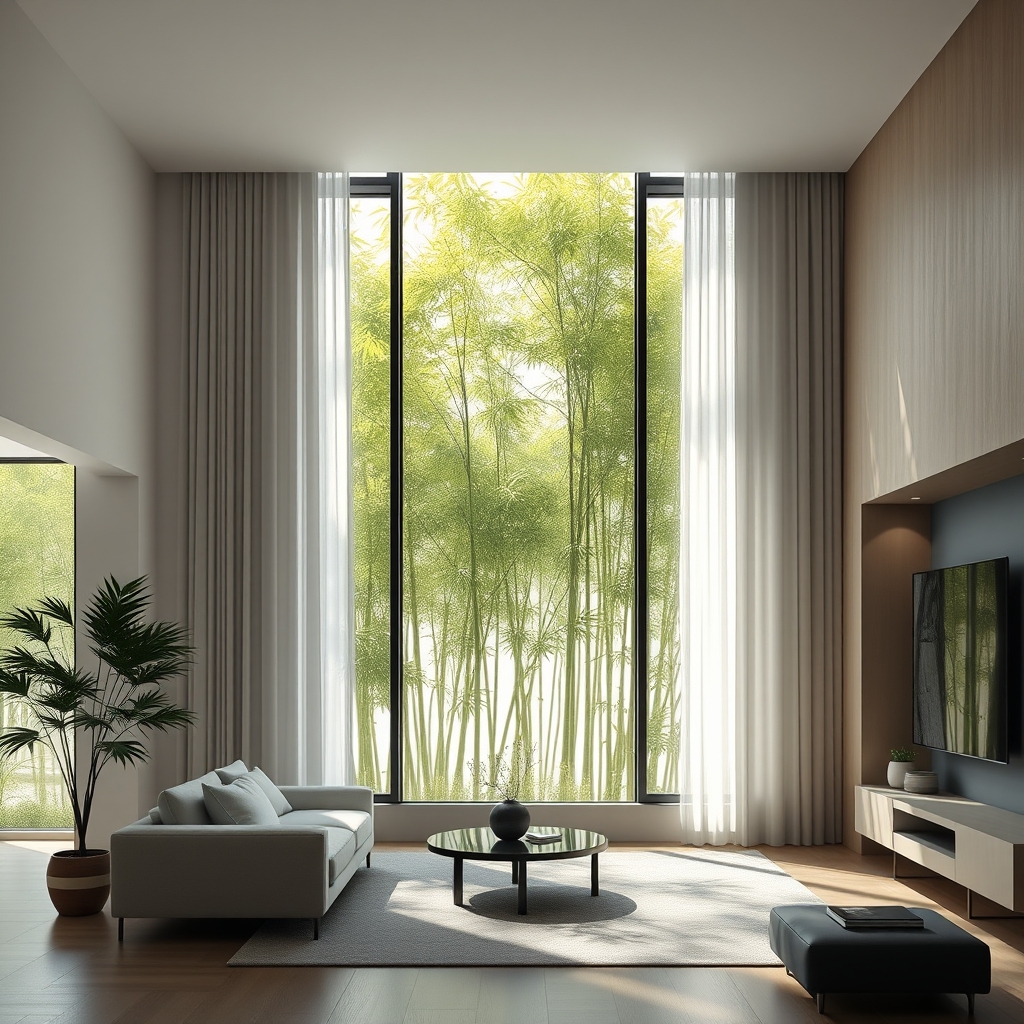
Let’s talk about natural light first. When you have plenty of sunshine streaming in through big windows, skyllights, or even just from how a building faces, it’s consistently tied to feeling happier, less stressed, getting more done, and sleeping better. Soaking up natural light also helps your body make vitamin D, which is super important for your mood, and it keeps your internal clock ticking just right, helping you fight off tiredness and even those winter blues. Rooms filled with natural light simply feel more spacious, welcoming, and alive.

Now, artificial light is a must-have, but we really need to think about it. That warm, soft glow, like from a dimmer lamp, often helps us relax and feel cozy – perfect for homes or hotels. But for places like offices or schools, cooler, brighter light can help us stay sharp and focused. Get the lighting wrong – too dim, too bright, flickering, or hitting you at a weird angle – and you’re looking at tired eyes, headaches, exhaustion, and just plain grumpiness.

B. Color Palettes: The Emotional Language of Hues


Colors are amazing! They’re like instant mood buttons, with each shade stirring up its own special feeling in us. That’s why architects and interior designers put so much thought into picking just the right color schemes, all to gently steer how we feel when we’re in a particular space.

Let’s start with warm colors, things like reds, oranges, and yellows. These shades tend to perk you up, get things moving, and fill you with feelings of warmth, excitement, and even passion. Take red, for example; it can actually speed up your heart rate and make you hungrier, which is why you often see it in restaurants. Yellow usually brings happiness and a sunny outlook, but watch out – too much can sometimes make you feel a little anxious.

Then we have cool colors, like blues, greens, and purples. These are the calming champions, encouraging peace, quiet, and a sharp mind. Blue often reminds us of calm and steadiness, making it perfect for bedrooms or spots where you want to think deeply. Green, with its connection to nature, is great for cutting down stress and bringing a feeling of balance and harmony. And purple? That often whispers of luxury, sparking creativity, and encouraging a bit of self-reflection.

Finally, we have the neutrals: grays, beiges, and whites. These colors are all about being timeless, chic, and super adaptable. They can act as a serene background, letting other design pieces really pop, or they can create that clean, minimalist vibe that helps everything feel clear and organized.

C. Layout and Flow: Spatial Organization and Social Interaction


How a space is set up – its floor plan, how you move through it, and where it’s divided – plays a huge part in how we get around, talk to each other, and whether we feel private or part of a group.

Consider the classic debate: open-plan versus enclosed spaces. Open designs can really help people work together, make a room feel bigger, and let more natural light spread around. But there’s a trade-off: they can also get noisy, make privacy hard to find, and easily distract you, making it tough to focus. Enclosed rooms, however, offer that much-needed privacy and fewer distractions, though if they’re not designed well, they might feel a bit isolating or squished.

Then there are the pathways you take to move through a building. When these “circulation paths” are clear and easy to follow, it makes navigating a space effortless, cutting down on mental effort and stress. But if you hit bottlenecks or the layout just makes no sense, you can quickly feel frustrated and lost.

Lastly, think about personal space and how we stake out our “territory.” Things like where the chairs are placed, screens or dividers, and even how rooms are split up can really define personal boundaries. This, in turn, changes how comfortable people feel sharing a space and how much they’re willing to chat and connect with others.

D. Materials and Textures: The Tactile and Visual Language of Surfaces


The stuff a building is made of, and how those surfaces feel and look, really changes how we take in a space. It’s not just about what we see; it also deeply taps into our sense of touch.

Let’s talk about natural materials first, things like warm wood, exposed brick, or natural stone. These really make a place feel authentic, cozy, and connected to the natural world. They often help create a calm, grounded vibe and fit right into what we call biophilic design.

Then you have man-made materials like glass, steel, and concrete. These typically scream modern, sleek, and industrial chic. While they can certainly make a room feel open and sophisticated, think big glass walls, too many cold, hard surfaces can sometimes come across as stark, unwelcoming, or even a bit sterile.

And textures? They’re huge! Soft textures, like carpets, comfy upholstered furniture, or fabrics, soak up sound, bring warmth, and just beg you to get comfortable. On the other hand, hard, shiny textures like polished concrete or metal can make sounds echo, create a cooler feel, and bounce light around, which can make spaces seem brighter but also potentially harsher.

E. Ceiling Height and Volume: The Vertical Dimension of Emotion

The up-and-down stretch of a room, especially how high the ceiling is, makes a huge difference in how we mentally experience a space and even how we act in it.

High ceilings often make us think of grandeur, freedom, and wide-open spaces. They can actually encourage big-picture thinking, spark creativity, and give us a sense of endless possibilities. That’s precisely why you’ll often find towering ceilings in places like libraries, art galleries, and magnificent halls.

Flip that around, and lower ceilings usually create a feeling of closeness, help us focus, and give off a vibe of coziness or safety. They’re often perfect for rooms where you need to concentrate or just unwind, but be careful – if they’re too low, they can easily make you feel a bit trapped or cramped.

F. Biophilic Design: Reconnecting with Nature


Biophilic design is a super clever way to bring nature’s elements and rhythms right into our buildings. It’s all about recognizing that deep-seated human need we have to connect with the natural world. This can mean bringing in:

One way is through direct nature, which means things like actual indoor plants, soothing water features, and making the most of natural light and fresh air.

Another is indirect nature, which involves using natural materials, colors, patterns, and textures that remind us of the outdoors.

And finally, it’s about creating spatial conditions that feel like natural environments, such as offering great views of nature or designing spaces with a sense of both openness and safe retreat.

The perks of biophilic design are seriously impressive: it cuts down stress, sharpens our thinking, boosts creativity, helps us heal faster, and generally makes us feel a whole lot better. Workplaces that have plants or offer views of lush greenery see happier, more productive employees. And hospitals that use biophilic touches even notice their patients getting better quicker!

Practical Applications: Designing for Desired Outcomes


Grasping the psychology behind our spaces isn’t just for textbooks; it has amazing real-world uses in all sorts of buildings.

In workplaces, for example, designing offices with loads of natural light, comfy ergonomic chairs, a mix of work areas (like collaboration spots and quiet nooks), and those nature-connecting biophilic touches can really skyrocket productivity, slash stress, and make employees much happier.

For healthcare facilities, hospitals and clinics can actually help people heal and feel less anxious by using soothing color schemes, offering views of nature, providing access to gardens, and creating comfortable, easy-to-navigate layouts.

Educational institutions can boost learning, focus, and imagination by getting the lighting just right, using flexible furniture, adding stimulating colors to play areas, and keeping study zones in calming shades.

And when it comes to our homes, the main goal is always comfort, safety, and letting our personalities shine through. Smart floor plans, custom color choices, and a clever use of light and materials can turn any house into a personal haven, perfectly suited to our individual desires.

Conclusion: Designing for the Human Experience


At the end of the day, architecture isn’t just about building sturdy structures or making things look pretty; it’s a super strong psychological tool. Seriously, every single wall, every window, every color, and every texture tells a silent story that quietly, but deeply, shapes our feelings, how well we think, and how we get along with others.

When architects and designers truly embrace what environmental psychology teaches us, they get this huge responsibility – and an incredible chance – to create spaces that don’t just give us a roof over our heads, but actually help us thrive. And for us, as the people living and working in these places, really understanding this quiet influence helps us become more aware of our surroundings. It also gives us the power to ask for designs that genuinely support our well-being, help us achieve more, and connect us more deeply to what it means to be human. So, let’s aim to build more than just buildings; let’s create spaces that truly lift our spirits.

inline image 2
You may also like to Read

By clicking “Accept Cookies”, you agree to the storing of cookies on your device to enhance site navigation, analyze site usage, and assist in our marketing plans.