HOW AI REVOLUTIONIZES ARCHITECTURAL DESIGN: YOUR CREATIVITY, AMPLIFIED
Architecture, at its core, has always been a beautiful fusion of artistic vision, scientific exactness, and clever problem-solving. Now, as technology sprints forward, Artificial Intelligence, or AI, is stepping in as a powerful new partner, truly transforming how architects do their thing. And let’s be clear, this isn’t some futuristic threat to our human creativity. Instead, AI tools are proving to be incredible co-pilots, especially during those critical early design phases, when we’re exploring ideas and bringing concepts to life visually.
In this article, we’re going to dive deep into how cutting-edge platforms, like Veras and Autodesk Forma, are actually empowering architects. They’re helping us explore so many more possibilities, fine-tune performance, and visualize concepts with unmatched speed and clarity. The best part? These tools are truly amplifying the human element of design, not taking anything away from it.
THE DAWN OF AI-POWERED GENERATIVE DESIGN
Think of generative design as a complete game-changer in how we tackle design challenges. Traditionally, an architect would craft a design, then work to optimize it. But with generative design, we start by simply telling the system the problem’s parameters, what limitations we have, and what we want to achieve. Then, AI algorithms get to work, exploring a massive range of solutions and generating tons of design options that perfectly fit those requirements.
You know how early-stage design usually involves endless manual iterations, sketches, and basic models to try out different ideas? While absolutely crucial, that process can gobble up so much time and often restricts how many options an architect can truly explore. This is where AI-powered generative design really shines! It acts like an tireless assistant, capable of analyzing complex data, adhering to regulations, and proposing innovative layouts in a fraction of the time it would take a human. It’s not about dictating the final design at all; rather, it presents a rich palette of informed options. From this selection, the architect can then choose, refine, and infuse their own unique vision.
VERAS: INSTANT VISUALIZATION, LIMITLESS EXPLORATION
For lightning-fast visualization and conceptual exploration, Veras has truly burst onto the scene as a game-changer. It integrates smoothly with popular CAD programs like Revit and SketchUp, using AI magic to turn even the simplest massing models and wireframes into stunning photorealistic renderings in mere seconds. It’s truly amazing to see.
So, how exactly does Veras supercharge those crucial early-stage workflows? First off, it’s a dream for rapid iteration and conceptualization. Just picture this: you sketch a basic building form, and boom! Instantly, you see it rendered with various material palettes, lighting conditions, and even environmental contexts. Veras lets architects visualize dozens of design iterations within minutes, giving instant feedback on how different conceptual approaches might look and feel. This incredible speed really encourages bolder experimentation, since the ‘cost’ of visualizing a new idea is practically zero.
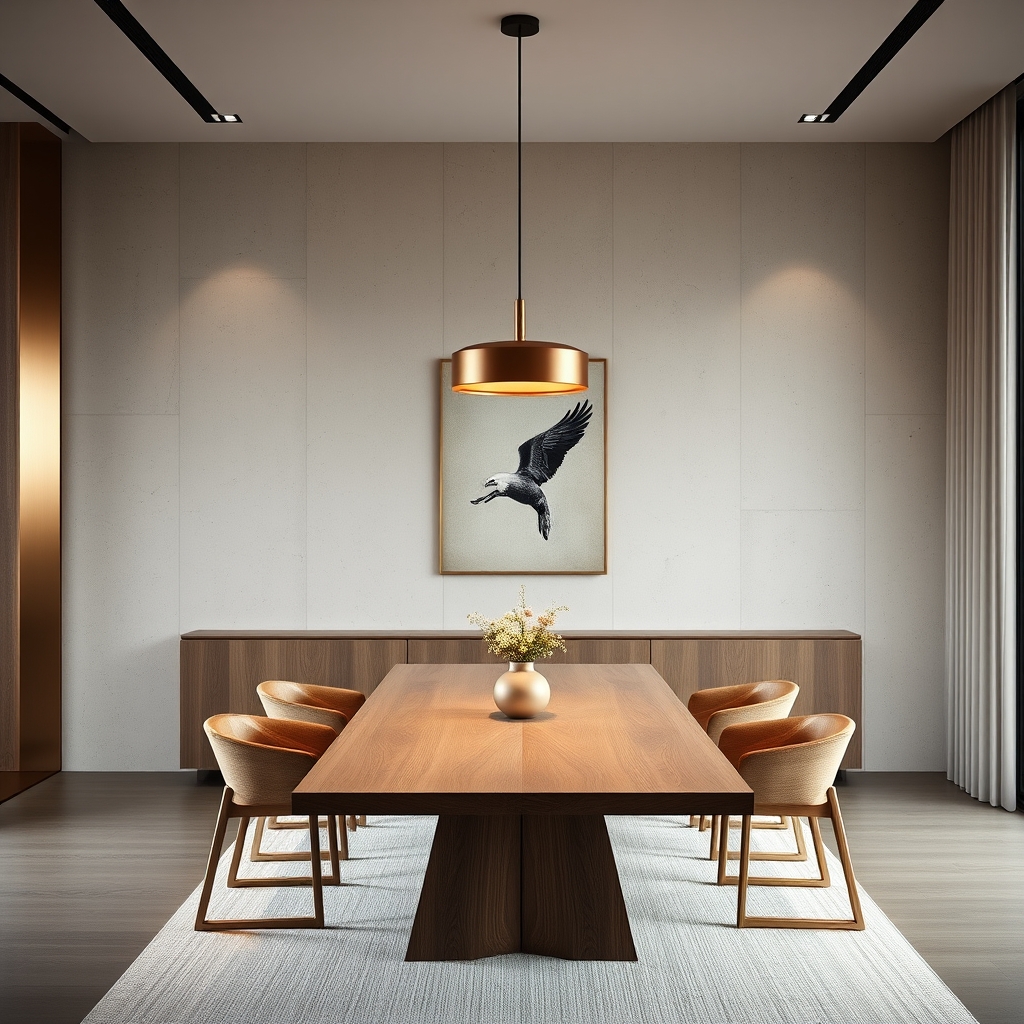
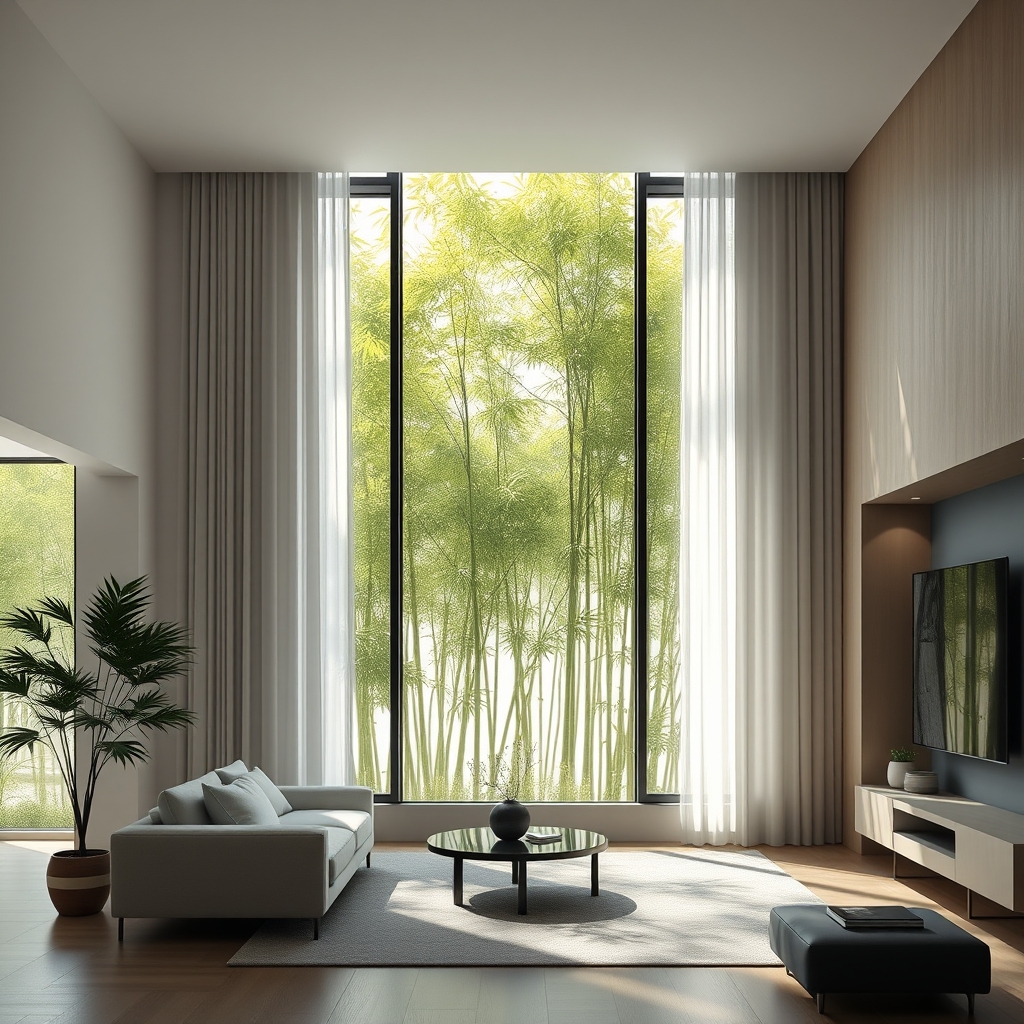
Next, it’s fantastic for style exploration. Architects can simply guide Veras with text prompts, instructing the AI to render a design in a ‘minimalist style with natural wood and concrete,’ or perhaps a ‘brutalist style focusing on shadow play.’ You could even ask it to ‘imagine this as a lush green building.’ This opens up immediate exploration of aesthetic directions, completely skipping the hours of manual modeling and texturing.
Veras also brings amazing contextual understanding to the table. It can intelligently figure out surrounding environments, seamlessly adding appropriate landscaping, urban fabric, and even atmospheric effects to your renderings. This really helps both architects and clients grasp how a proposed building will integrate into its real-world context right from the get-go.
And finally, for client communication, it’s a game-changer. Presenting such highly refined visuals even at the conceptual stage dramatically boosts client understanding and engagement. Instead of abstract drawings, clients get to see almost photographic representations of what their future building could truly become, leading to clearer conversations and quicker decision-making.
Essentially, Veras functions as an incredibly swift digital artist. This means architects can dedicate far less time to those laborious rendering chores and much more time to the actual core design challenges: refining the architectural story and exploring genuinely innovative forms and spaces.
AUTODESK FORMA: INTELLIGENT URBAN PLANNING AND PERFORMANCE OPTIMIZATION
Autodesk Forma, which you might remember as Spacemaker, scales up AI integration in architecture even further. Its main focus? Early-stage urban planning and optimizing building sites. This robust platform leverages AI to analyze really complex site data, then generates optimal design proposals built upon a whole host of performance criteria.
So, how does Autodesk Forma truly transform early-stage design work? Well, it’s brilliant at data-driven site analysis, really understanding the ‘DNA’ of a building site. It can swiftly analyze things like sunlight exposure, wind patterns, noise levels, potential views, and even microclimate data. This gives architects a truly comprehensive grasp of environmental opportunities and constraints, informing design choices right from that very first sketch.
Then there are its generative massing studies. Based on parameters you define – things like zoning regulations, desired floor area, programmatic needs (how many apartments? how much office space?), and performance goals (say, maximizing daylight) – Forma can whip up hundreds of massing options. Each option gets instantly evaluated against your specified criteria, letting architects compare and contrast designs based on solid, quantifiable metrics.

But it’s not just about generating shapes; Forma also offers incredible performance simulation. Architects can immediately see how different massings affect daylight penetration, the potential for energy consumption, and even how comfortable pedestrians might feel. This capability empowers them to make really informed choices that result in more sustainable and functional buildings.
Ultimately, Forma leads to optimized decision-making. It empowers architects to go beyond just gut feelings. By presenting solid, data-backed insights into the implications of various design choices, it makes for much more robust discussions with clients, developers, and urban planners. The outcome? Designs that are not only beautiful but also highly efficient and wonderfully responsive to their surroundings.
Autodesk Forma, in essence, provides a sophisticated layer of strategic intelligence. This allows architects to build a really solid, data-informed foundation for their projects, making sure those initial design concepts are not just pretty to look at, but inherently performant and compliant with all the necessary standards.
THE SYNERGY: AI AS A CREATIVE AMPLIFIER, NOT A THREAT
There’s a consistent message running through all these tools, from Veras to Autodesk Forma: AI truly acts as an amplifier of human creativity, never a replacement.
First and foremost, think about the time saved and the boost in efficiency. By automating those repetitive and often time-consuming tasks – things like rendering or initial site analysis – AI liberates architects’ most precious resource: their time. This means they can pour more energy into the really complex, nuanced, and genuinely creative parts of design. We’re talking about deeply understanding client needs, crafting unique aesthetic languages, and cracking those intricate spatial puzzles.
It also leads to expanded exploration. AI can generate a dizzying array of design options and visualizations far, far quicker than any human team ever could. This dramatically broadens the architect’s creative horizons, putting possibilities on the table they might never have considered otherwise. It genuinely encourages pushing the boundaries of conventional design. The architect always stays the curator, of course, selecting the most promising paths and imbuing them with their distinct perspective.
Then there are the data-driven insights that lead to better design outcomes. AI delivers objective, quantifiable data that informs design decisions right from day one. This doesn’t stifle creativity; quite the opposite. It grounds our visions in reality, making sure those bold ideas are also practical, sustainable, and high-performing. Architects can use these insights to either validate their intuition or boldly challenge any preconceived notions, ultimately leading to more robust and resilient designs.
Finally, communication gets a huge upgrade. The ability to rapidly visualize and simulate designs with such high fidelity significantly improves how we communicate with clients, stakeholders, and even the public. This newfound clarity fosters much better collaboration and ensures that everyone involved is perfectly aligned on the design vision.
At the end of the day, the architect’s role remains absolutely paramount. We define the problem, we set the parameters, we ask those crucial ‘why’ questions, and we infuse the design with purpose, emotion, and cultural relevance. AI is brilliant at figuring out ‘how many ways could this work?’ but it simply cannot replicate the empathy, the nuanced aesthetic judgment, the social understanding, or the subjective decision-making that truly define architectural brilliance. Think of it this way: AI provides the clay; the architect, with their unique touch, sculpts the masterpiece.
CHALLENGES AND THE ROAD AHEAD
Now, as powerful as AI in architecture is, it’s certainly not without things we need to consider. Architects absolutely must keep a critical eye on everything. We need to remember that AI outputs are built upon the data they’re trained on, which, at times, can unfortunately carry inherent biases. Plus, the ‘black box’ nature of some AI algorithms means we have to carefully validate their suggestions, making sure they truly align with our goals.
Looking to the future, the integration of AI is only going to get deeper. We can anticipate even more intuitive tools, seamless connections between different platforms, and AI that’s capable of understanding increasingly complex design intentions. The architect of tomorrow will probably be a true master orchestrator of these intelligent systems, using AI to unlock levels of efficiency, innovation, and design quality we’ve never seen before.
OUR VISION FOR THE FUTURE
To wrap things up, AI tools like Veras and Autodesk Forma are far more than just fancy technological novelties. They represent fundamental shifts in the architectural workflow, especially during those vital early stages of generative design and visualization. By automating tedious tasks, dramatically expanding the scope of design exploration, and delivering data-driven insights, these tools empower architects to be more creative, more efficient, and ultimately, more effective. The future of architecture isn’t about machines taking over human ingenuity. Instead, it’s about human architects, now incredibly well-equipped with intelligent AI partners, being truly free to envision and create better, more inspiring, and more sustainable built environments than ever seemed possible. It truly is a testament to a collaborative future, one where the architect’s unique vision remains firmly at the heart of every single groundbreaking design.