BUILDING THE FUTURE, LAYER BY LAYER: HOW 3D PRINTING IS REVOLUTIONIZING CONSTRUCTION
We’ve all seen those bustling construction sites, right? The ones filled with towering cranes, piles of lumber, and a flurry of activity. Well, a new kind of construction site is emerging, one where robotic arms precisely place layers of material, turning digital plans into real buildings faster than ever before and giving us incredible freedom in architectural design. This is the exciting world of 3D printing in construction, a technology that’s not just speeding things up but also letting us create incredibly complex and beautiful organic shapes.
THE EVOLUTION FROM SUBTRACTIVE TO ADDITIVE
For ages, building meant taking away from something or putting together pre-made pieces. It worked, sure, but it had its limits when it came to speed, waste, and how much we could change the design. Now, imagine building from the ground up, adding material piece by meticulous piece. That’s additive manufacturing, and specifically, 3D printing. This fundamental change is shaking things up in the industry, promising a future where buildings go up quicker, are kinder to the planet, and boast a level of design ingenuity we used to only dream about.
THE SPEED ADVANTAGE: FROM BLUEPRINTS TO BEAMS IN RECORD TIME
One of the most impressive things about 3D printing in construction is how much it cuts down on project time. Traditional building can drag on for months, even years. Coordinating different teams, waiting for materials, or dealing with bad weather can all cause major delays.
HOW 3D PRINTING IS BREAKING THESE BARRIERS
Here’s how 3D printing is changing the game:
AUTOMATED AND CONTINUOUS PROCESS
Unlike old-school methods that need a lot of hands-on work for every single part, 3D printers can keep going almost non-stop, often around the clock, once they’re set up. This really slashes the total construction time. Just picture a printer laying down walls for a house while other work is happening at the same time!
ON-DEMAND COMPONENT CREATION
Instead of long waits for special or complicated parts, 3D printing lets us make components right there on-site or nearby, exactly when they’re needed. This means no more waiting for deliveries and less worry about projects getting stuck because of material shortages.
REDUCED LABOR REQUIREMENTS
While we definitely need skilled folks to manage the 3D printing machines, the massive amount of manual labor needed for things like laying bricks, building temporary structures, or pouring concrete is dramatically cut. This can lead to big cost savings and a smarter use of our workforce.
STREAMLINED ASSEMBLY
Many 3D-printed construction projects involve printing entire structural pieces or even whole building sections that can then be quickly put together on site. This modular approach makes the whole building process even faster.
CASE IN POINT
Projects like ICON’s innovative 3D-printed homes in Texas have shown that it’s possible to build a structure in just a few days—something that would normally take weeks or months with traditional methods. This speed isn’t just about being efficient; it means getting housing solutions to people faster, deploying essential infrastructure quickly, and responding more nimbly to housing needs.
BEYOND THE BOX: UNLEASHING THE POWER OF COMPLEX ORGANIC FORMS
What might be even more groundbreaking than the speed boost is 3D printing’s ability to break free from the geometric limitations of traditional building. For centuries, architects and engineers have been mostly stuck with straight lines, right angles, and easy-to-shape materials. This often resulted in buildings that were functional but looked pretty much the same.
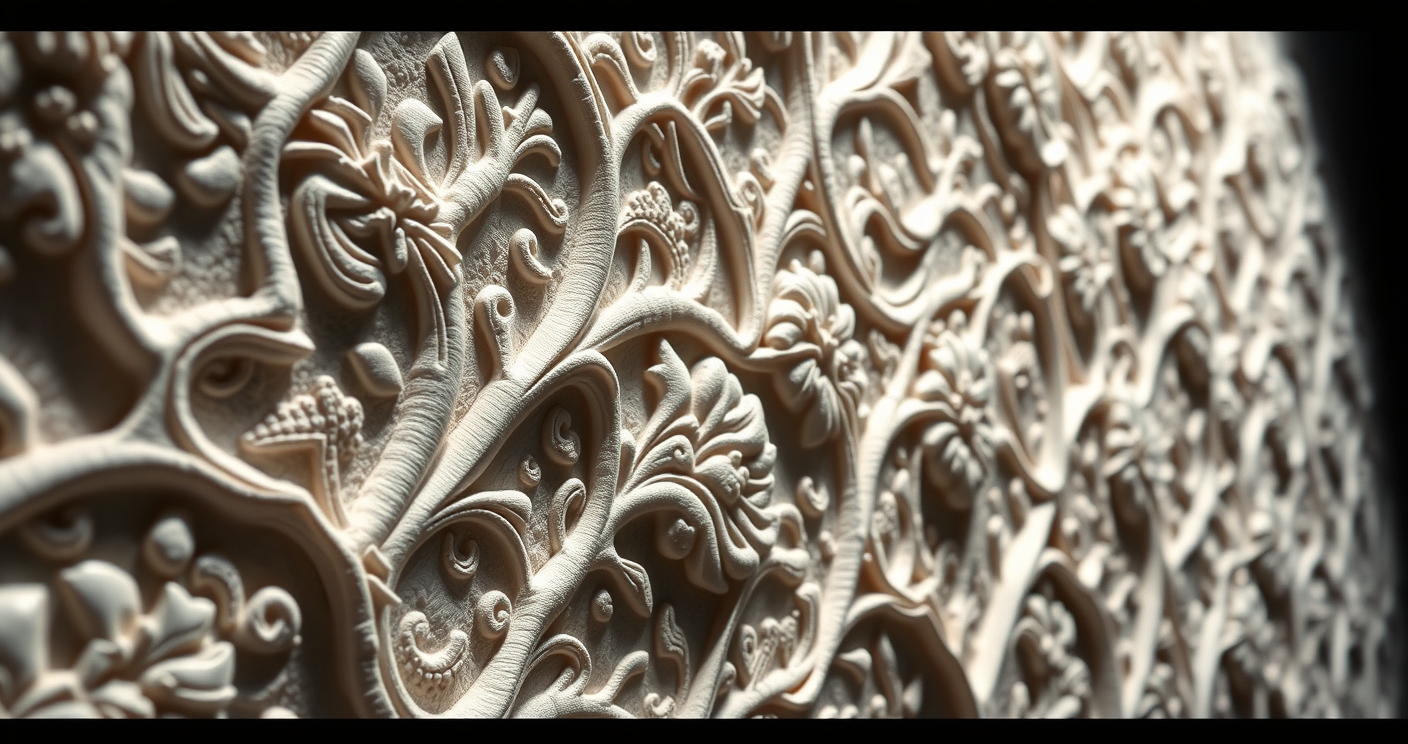
3D printing frees us from these constraints, opening up a world of intricate organic designs and complex shapes.
UNRESTRICTED GEOMETRY
3D printers can precisely lay down material in just about any shape, curve, or pattern we design digitally. This allows us to create flowing walls, curved exteriors, and highly personalized architectural elements that would either be impossible or incredibly expensive to make with standard techniques.
BIOMIMICRY AND NATURAL INSPIRATION
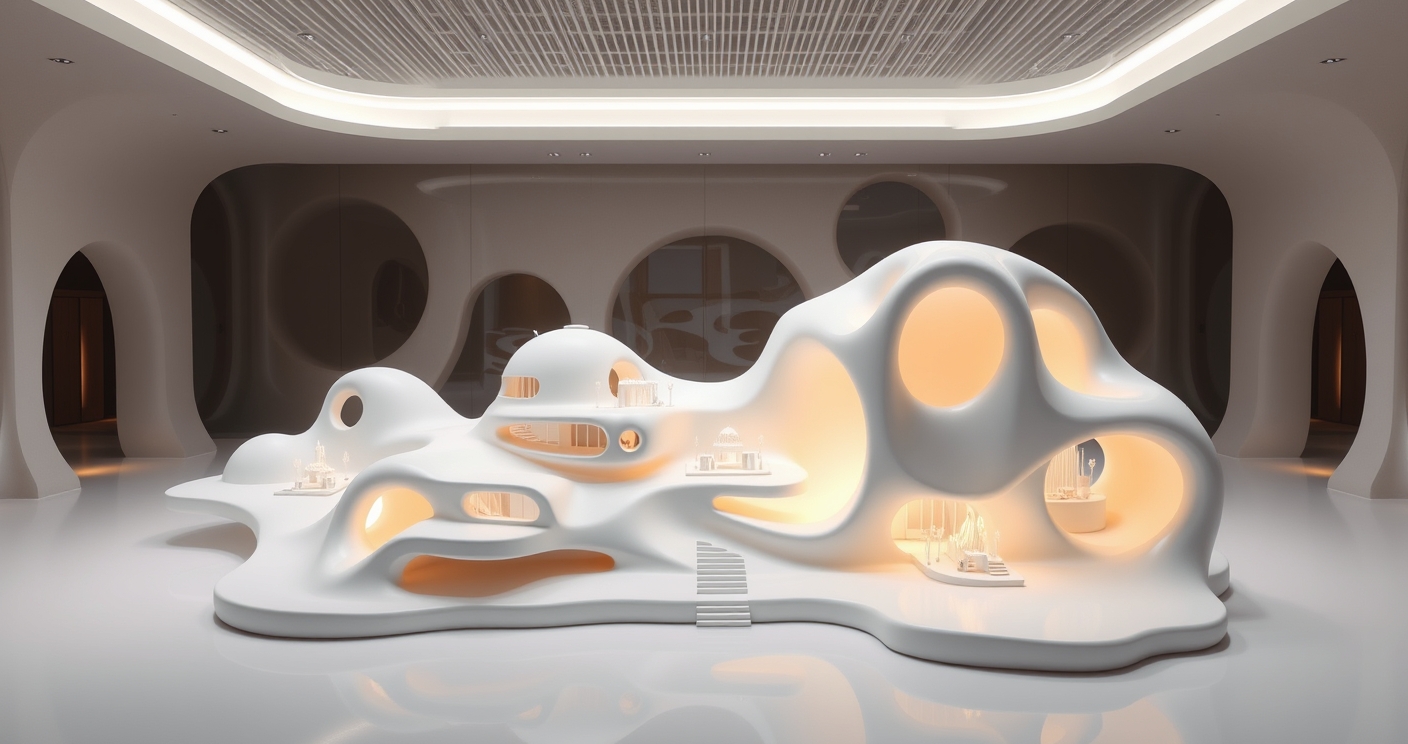
The capability to copy natural shapes, like the delicate structures of bones or shells, opens up fascinating possibilities for biomimicry in architecture. This can lead to buildings that are not only beautiful but also structurally optimized and energy-efficient. Imagine buildings with natural ventilation pathways or load-bearing parts inspired by the smart design of nature.
CUSTOMIZATION AND PERSONALIZATION
Every project can truly be one of a kind. Instead of standardizing designs to fit manufacturing capabilities, 3D printing allows for a huge amount of customization. This could mean personalized homes, smart renovations of existing buildings with unique additions, or structures that perfectly blend with their natural surroundings.
OPTIMIZED STRUCTURAL EFFICIENCY
Complex organic shapes are often naturally stronger and use less material. By printing intricate lattice designs or reinforcement patterns directly into the material, engineers can create parts that are lighter yet stronger, reducing the overall material needed and improving structural soundness.
Examples of this architectural freedom are popping up all over the world. The impressive concrete printing of architectural marvels like the “Grotto” by MASS Design Group, or the intricate, flowing facades designers are exploring globally, showcase the artistic and functional potential of this technology. These projects are more than just buildings; they’re sculptures that challenge how we see architecture.
THE MATERIALS REVOLUTION AND SUSTAINABILITY IMPLICATIONS
The faster construction and the creation of organic forms go hand-in-hand with the materials used in 3D printing. While concrete is still a main player, ongoing research is expanding the options to include:
ADVANCED CEMENTS AND CONCRETE MIXES
Developers are creating special concrete mixes that cure faster, offer better strength, and are easier to work with for 3D printing.
RECYCLED AND SUSTAINABLE MATERIALS
The potential to use recycled materials, waste products, and plant-based binders in printing materials is a major leap toward a greener construction industry.
POLYMERS AND COMPOSITES
For specialized uses, like printing intricate interior features or functional parts, advanced polymers and composites are being looked into.
This innovation in materials not only makes new designs possible but also has significant positive impacts on sustainability. Less material waste, the ability to produce on-site to cut down on transportation emissions, and the use of recycled materials all contribute to a more environmentally friendly construction sector.
CHALLENGES AND THE ROAD AHEAD
Even with its incredible potential, 3D printing in construction still faces some hurdles. These include:
SCALABILITY AND STANDARDIZATION
While smaller structures are being printed, building larger, multi-story buildings requires more advances in printer technology and material science.
REGULATORY HURDLES
Building codes and regulations are still adapting to this new technology, requiring ongoing discussions and updates to ensure safety and compliance.
SKILLED WORKFORCE DEVELOPMENT
We need a new generation of skilled professionals who can operate, maintain, and innovate with 3D printing technologies in construction.
MATERIAL PROPERTIES AND LONG-TERM PERFORMANCE
Continued research is crucial to fully understand how 3D-printed structures and materials will perform and last over time in different environmental conditions.
However, the fast pace of innovation in this field suggests these challenges are being tackled. As the technology matures and becomes more common, we can expect to see even more ambitious projects, wider adoption of its benefits, and a fundamental transformation in how we build our world.
CONCLUSION: A NEW ERA OF ARCHITECTURAL EXPRESSION
3D printing in construction is more than just a cool new method; it’s a whole new way of thinking. It’s giving us the power to build faster, more efficiently, and with incredible freedom in design. The ability to create complex, organic forms opens up exciting new paths for architectural expression, leading to buildings that are not just functional but also beautiful, innovative, and in harmony with their surroundings. As this technology keeps evolving, the construction industry is on the brink of a new era, where the future of our built environment is being shaped, one remarkable layer at a time.