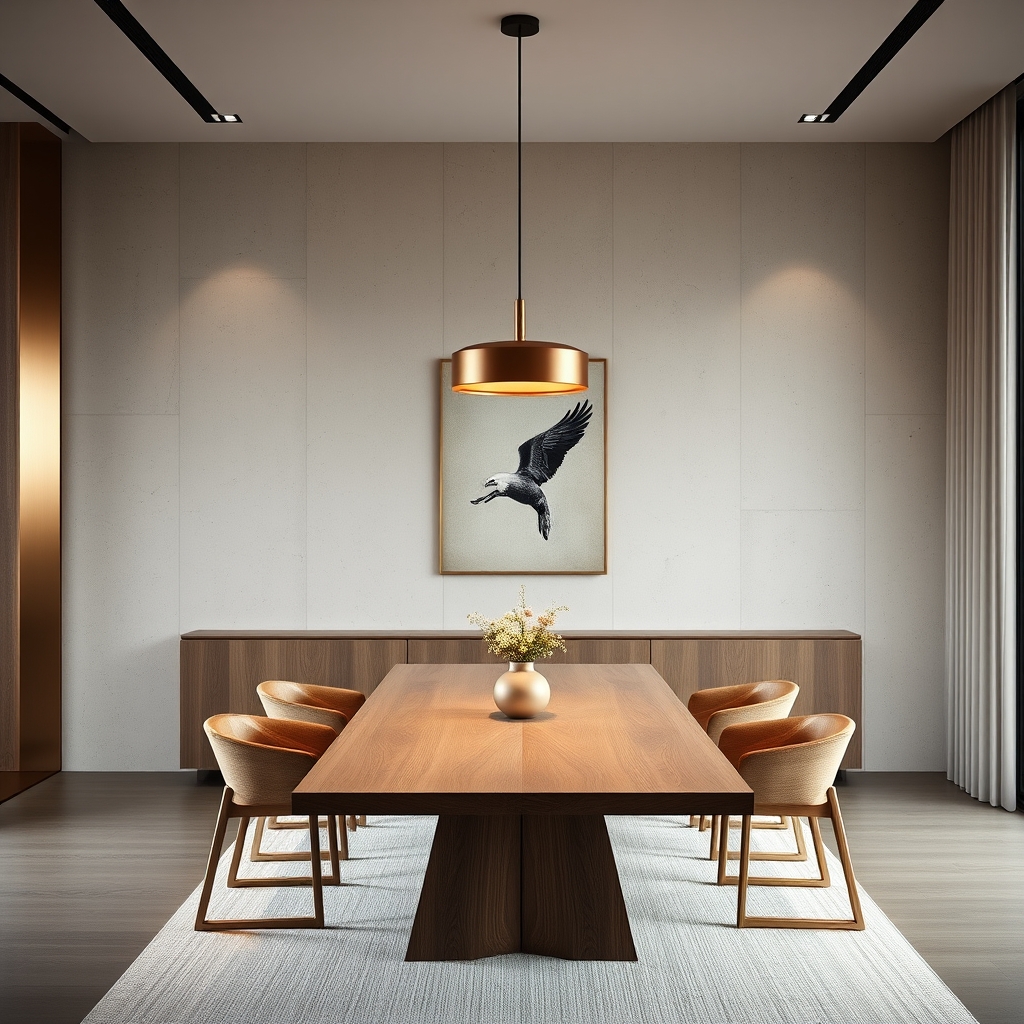
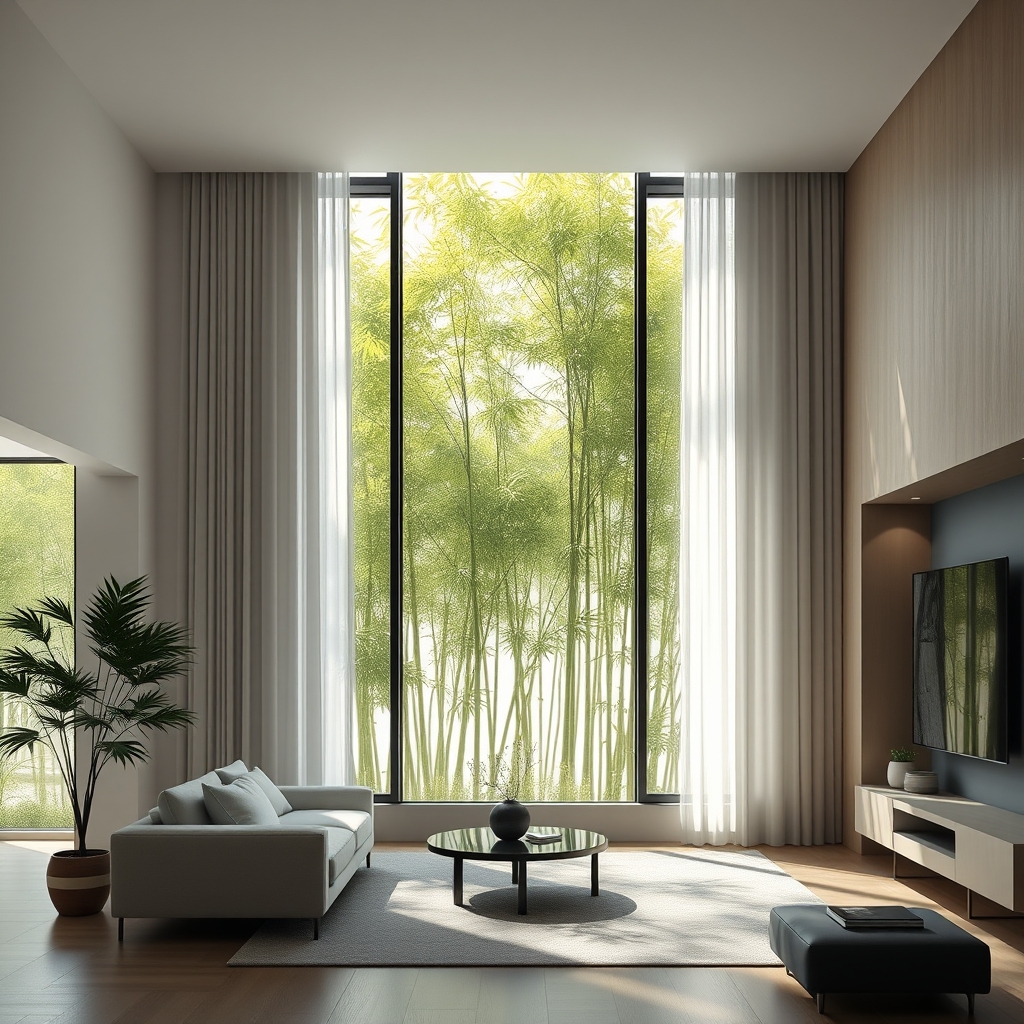
UNLOCK THE FUTURE: ENDING PROJECT MISCOMMUNICATION WITH VR CLIENT WALKTHROUGHS
Let’s talk about the AEC industry – architecture, engineering, and construction. It’s an industry built on precision, right? Yet, it constantly grapples with a very human problem: communication. Even with incredibly detailed blueprints and gorgeous renders, there’s often a disconnect between what a designer pictures and what a client genuinely grasps. We call this the “imagination gap.” It’s where misunderstandings sprout, especially when it comes to vital elements like material finishes, the feel of the lighting, or how spaces are laid out. And these communication slip-ups? They almost always lead to expensive change orders, project delays, and unhappy clients.
Now, imagine a game-changer: Virtual Reality, or VR. What used to feel like something out of a sci-fi movie has quickly become a must-have tool for folks in AEC. It offers a truly fresh way to tackle this old problem. Think about it: clients can literally step inside their future buildings before a single brick is laid! VR walkthroughs are totally transforming how we visualize, understand, and approve projects. The real magic of VR? It builds a shared, immersive world for everyone, cutting through all that ambiguity and making communication crystal clear on those absolutely vital design elements.
BRIDGING THE IMAGINATION GAP: WHY TRADITIONAL METHODS FALL SHORT
For years, AEC companies have used pretty standard ways to show off their designs. We’re talking 2D drawings, floor plans, elevations, and even those super detailed static renders – they’ve been the industry’s go-to. And sure, these tools are absolutely crucial for all the technical bits, but they often struggle to really convey the full sensory and spatial experience of a building to someone who isn’t a design expert.
Let’s consider their limits:
2D Drawings: These really ask a lot from your imagination and ability to picture things in 3D. A client might have trouble seeing how a wall on a plan actually becomes a physical barrier, or how a window’s spot truly changes the light inside.
Static Renders: They give us gorgeous pictures of a design, but you can’t interact with them. They’re like a carefully chosen photograph, not an actual exploration. Clients can’t stroll through, glance up, or properly understand the scale.
Physical Models: Sure, they offer a good sense of scale and shape, but they’re pricey, take ages to make, and don’t really tell you much about how it feels inside, what the materials feel like, or how the lighting shifts.
These approaches often lead to that dreaded moment mid-construction when a client says, “Wait, that’s not what I pictured!” By that point, fixing the mistake means a lot of expensive rework, wasted materials, and going over budget – definitely something every project team wants to steer clear of.
STEPPING INSIDE THE FUTURE: THE VR WALKTHROUGH EXPERIENCE
VR completely flips the script, turning passive viewing into active participation. Pop on a VR headset, and suddenly a client isn’t just looking at a design; they’re instantly whisked inside it. They can wander freely through rooms, down hallways, and even explore exterior areas, soaking in the building’s real scale, proportions, and atmosphere as if it were already standing.
This isn’t just about seeing; it actually engages your proprioception – that’s your sense of where your body is in space. Clients naturally get a feel for distances, how much room they have, and the general flow of a layout because they’re literally “moving” through it. This immediate, first-person viewpoint builds an incredible level of understanding and a real emotional bond with the design.
PRECISION & CLARITY: VR’S IMPACT ON KEY DESIGN ELEMENTS
The true strength of VR in client walkthroughs lies in its ability to provide unambiguous clarity on the elements most prone to misinterpretation.
MATERIALS & FINISHES: BEYOND SWATCHES AND SAMPLES
Picking out materials is easily one of the most personal and significant choices in any project. Usually, clients look at tiny swatches, material boards, and static pictures. These can be helpful, for sure, but they just don’t capture how a material really looks and feels in its actual setting – how light bounces off it, what its texture is like, or how it plays with nearby finishes.
With VR:
True-to-Life Representation: Clients get to see materials exactly as they’ll be used, at the right scale, and under the intended lighting. They can truly appreciate the soft gleam of polished concrete, the rugged feel of reclaimed wood, or the detailed pattern of a tile layout, precisely as it will look.
Dynamic Interaction: Many VR platforms let you change materials on the fly. A client can instantly switch out different flooring, wall coverings, or countertop options, seeing the visual change right away and making confident choices then and there.
Contextual Understanding: How a material appears on a tiny sample can be worlds apart from how it looks spread across an entire wall or floor. VR lets clients grasp the full aesthetic effect of a chosen finish within the complete space, making sure their selections perfectly match their vision.
LIGHTING & AMBIANCE: ILLUMINATING EVERY DETAIL
Lighting design is such a tricky thing – it’s all about balancing practicality with creating the right mood. But trying to explain it with static images? That’s incredibly hard. How much natural light will really pour into the living room at midday? Will those recessed lights actually work well in the kitchen? Will the entryway feel warm and welcoming, or just cold and unwelcoming?
VR gives you dynamic insights:
Time-of-Day Simulations: Clients can walk through the space at various times, seeing exactly how natural light filters in and moves through windows, where shadows land, and how the overall brightness shifts from dawn till dusk. You can even mimic seasonal light changes.
Artificial Lighting Schemes: Every single light fixture – from overhead ambient lights to targeted pendants and decorative sconces – can be precisely simulated. Clients can switch lights on and off, tweak their brightness, and even play with different color temperatures to truly grasp their effect on the space’s vibe and usability.
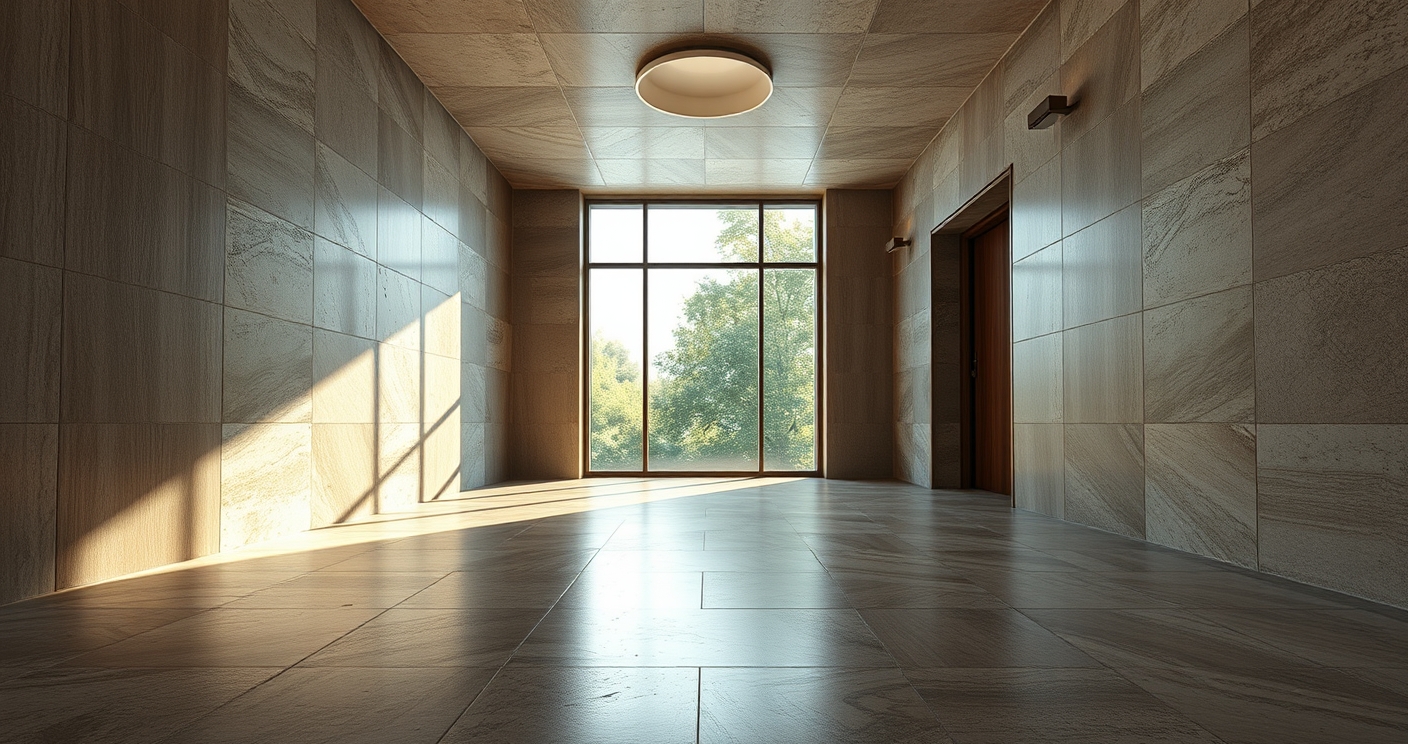
Identifying Hot Spots & Dark Zones: Exploring the virtual environment helps you spot areas that might be too bright, have annoying glare, or aren’t lit enough. This means you can adjust fixture placement or window designs well before any wiring goes in or glass is installed.
LAYOUT & SPATIAL UNDERSTANDING: NAVIGATING WITH CONFIDENCE
You know, perhaps the trickiest area for misunderstandings often comes down to spatial layout and how big things feel. A client might sign off on a floor plan, but then, during framing, they realize a room seems smaller than they imagined, a hallway feels too cramped, or that kitchen island is actually blocking all the traffic.
VR provides unmatched clarity:
True Scale & Proportion: The immersive magic of VR lets clients experience rooms at their real size. They can step into a bedroom and instantly tell if it feels roomy enough, stand in the kitchen to understand the flow between appliances, or get a proper sense of how open a living area truly is.
Flow & Circulation: Clients can literally walk through the virtual building, trying out different paths, understanding what they’ll see, and pinpointing any spots that might feel congested or lead to awkward transitions. They can genuinely evaluate if the layout works for their lifestyle or business needs.
Furniture & Fixture Placement: You can even put virtual furniture, appliances, and decorative items right into the VR model. This means clients can confirm that their chosen pieces fit just right, don’t block views, and genuinely enhance the overall design. No more surprises about tight squeezes or overcrowded spaces!
BEYOND COMMUNICATION: THE ROI OF VR IN AEC
The advantages of bringing VR into client walkthroughs go way beyond just better communication. For AEC firms, the return on investment – that’s ROI – is truly impressive:
Reduced Change Orders & Rework: By pinpointing errors and misunderstandings early on in the design stage, VR dramatically cuts down on expensive changes during construction, saving both time and precious materials.
Faster Decision-Making & Approvals: The crystal-clear understanding that VR provides speeds up the client approval process. Decisions get made with much greater confidence and fewer endless revisions.
Enhanced Client Satisfaction & Trust: Clients feel far more engaged, truly understood, and super confident in the final outcome. This builds stronger relationships and leads to fantastic word-of-mouth referrals.
Competitive Advantage: Offering these cutting-edge VR experiences truly sets firms apart from the competition, showcasing them as innovative leaders in the field.
Streamlined Workflow: Getting early feedback through VR walkthroughs lets design teams refine their models much more efficiently, cutting down on back-and-forth communication and making the best use of their resources.
IMPLEMENTING VR: WHAT YOU NEED TO KNOW
Bringing VR into your workflow doesn’t have to feel like a huge, intimidating jump. Good news: many modern design software programs (think Revit, SketchUp, Rhino, ArchiCAD, and others) can easily export models that work perfectly with various VR visualization platforms (like Enscape, Twinmotion, Unreal Engine, Unity, or Prospect by IrisVR).
Here are some key things to think about:
Software Integration: Make sure you pick tools that blend smoothly with your current BIM/CAD setup.
Hardware: You’ll want to invest in a powerful, VR-ready PC and a good quality VR headset (like a Meta Quest, HTC Vive, or Valve Index).
Training: Either build up some in-house VR expertise or team up with specialists who can help you craft engaging and interactive experiences.
Phased Implementation: Don’t try to do it all at once! Begin with a few smaller pilot projects. This way, you can perfect your VR workflow before rolling it out widely.
EMBRACE THE IMMERSIVE FUTURE
Honestly, the days of just trying to picture a building from flat drawings are quickly disappearing. Virtual Reality offers a truly immersive, intuitive, and super effective way to talk about complex design ideas – especially when it comes to materials, lighting, and how everything is laid out. By getting rid of miscommunication before construction even starts, VR really empowers AEC professionals to deliver projects that aren’t just on schedule and within budget, but are also perfectly in sync with what their clients dreamed of.
The future of seeing designs come to life is here, and it’s practically inviting everyone to step right in. Are you ready to be at the forefront?