A BRIGHTER TOMORROW: CLIMATE ADAPTATION IS ALREADY BUILDING HOPE
Ever feel like the news is just one big doom-and-gloom report, especially when it comes to climate change? It’s easy to get bogged down, maybe even feel a little hopeless. But here’s the thing: there’s another story unfolding, one full of clever solutions, sheer grit, and amazing strides forward. Fast forward to 2026, and climate adaptation isn’t some far-off idea anymore; it’s happening right now. We’re seeing firsthand how taking smart steps isn’t just cutting down risks, but also sparking a real sense of hope for what’s ahead.
So, let’s dive into what we’ve learned from climate adaptation by 2026. We’ll explore how smart planning, cool new tech, and projects driven by local communities are paving the way for a tougher, more optimistic world.
MOVING BEYOND DESPAIR: DESIGNING OUR FUTURE
For ages, talking about climate change often felt like a lecture on what not to do, all about cutting emissions and avoiding disaster. And sure, reducing those greenhouse gases is still super important. But by 2026, things have really shifted. We’ve accepted that some climate change is already baked in, and that’s actually kicked off an incredible sprint towards adaptation. Suddenly, the story isn’t about unavoidable catastrophe; it’s about actively designing our world and taking back control.
MORE THAN JUST REDUCING HARM: WELCOMING ADAPTATION
Now, let’s be clear: embracing adaptation isn’t throwing in the towel on climate change. Nope, it’s about getting super smart and planning ahead for the changes we know are coming. Think building sturdier foundations, creating cleverer systems, and helping communities stand strong against environmental shifts. This isn’t giving up; it’s taking charge! And that sense of agency, of being in control, is a fantastic remedy for all that climate worry. When folks see real, tangible efforts protecting their homes, their jobs, and their kids’ futures, well, a little spark of hope just naturally starts to glow.
OUR BLUEPRINT FOR HOPE: TOP ADAPTATION STRATEGIES IN 2026
Fast forward to 2026, and you’ll find incredible new ways to adapt to climate change popping up everywhere, in all sorts of industries. It really shows just how clever we humans can be! These strategies aren’t just ideas; they’re shining examples of hope, proving what we can achieve when we all commit to building a future that can truly stand strong.
CLEVER BUILDINGS, RESILIENT CITIES: DESIGNING FOR TOMORROW
All over the world, from bustling cities to beautiful coastlines, people are pouring resources into infrastructure that can handle climate shocks. We’re talking about raising roads in areas prone to flooding and designing cool sea walls that blend right into our public spaces. The focus? Building smarter, not just tougher. Take the Netherlands, for example; their flood defenses are ingeniously designed to also be parks or parking lots – proof that adaptation can actually make city life better! And in the U.S., vulnerable communities are now routinely powered by microgrids running on renewable energy. This means continuous electricity, even when extreme weather hits, a crucial lesson learned from all those past blackouts.
NATURE’S OWN SOLUTIONS: PARTNERING WITH THE PLANET
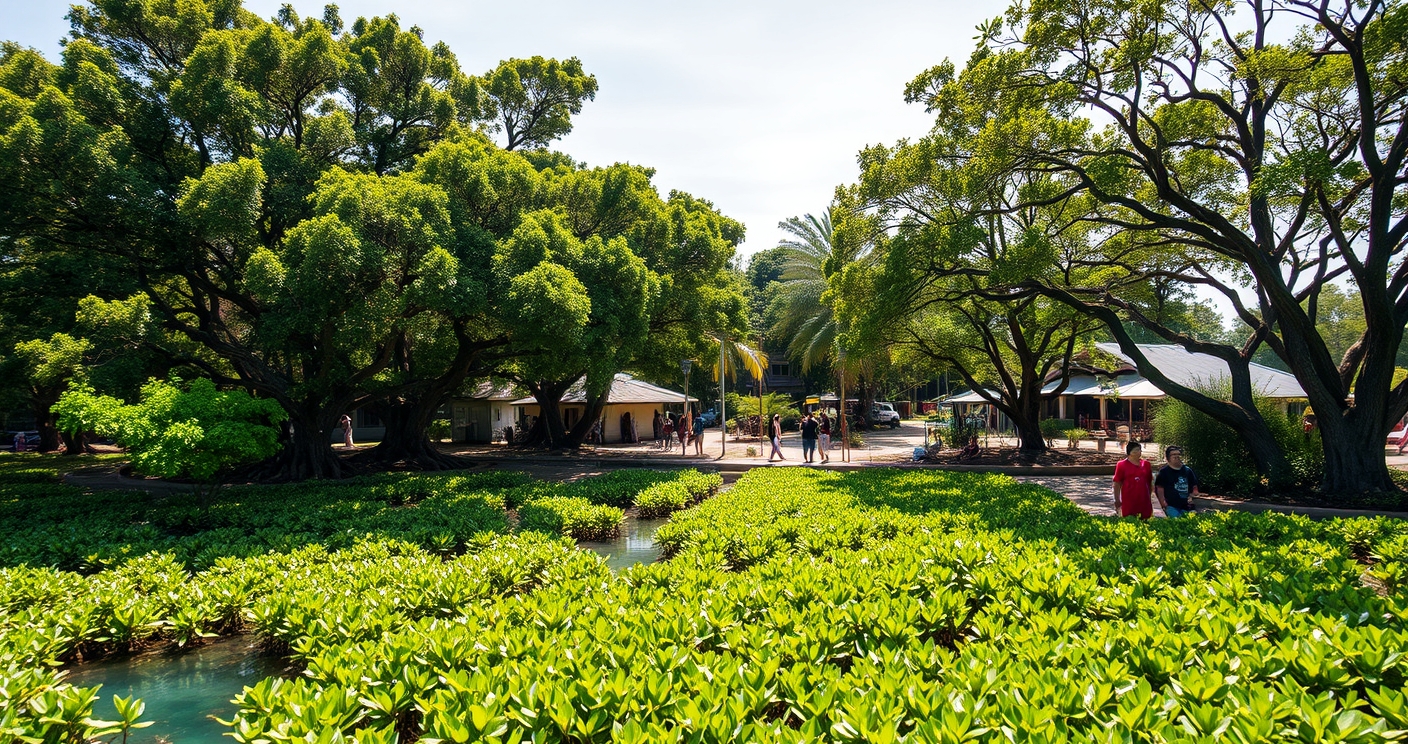
One of the biggest ‘aha!’ moments by 2026 is realizing just how incredibly powerful nature-based solutions (NBS) truly are. Think about it: bringing back mangrove forests along tropical shores gives us amazing natural protection from storm surges. Meanwhile, planting more trees in our cities isn’t just making the air cleaner; it’s also tackling those oppressive urban heat islands. Where deserts are spreading, huge agroforestry projects are breathing life back into worn-out land, boosting soil health, and bringing diverse wildlife back – all while soaking up carbon and giving local economies a lift. The best part? These natural approaches often hit multiple birds with one stone, showing us that teaming up with nature isn’t just super effective, it’s also smart for our wallets and gorgeous to look at.
TECH TO THE RESCUE: SMART TOOLS FOR A RESILIENT FUTURE
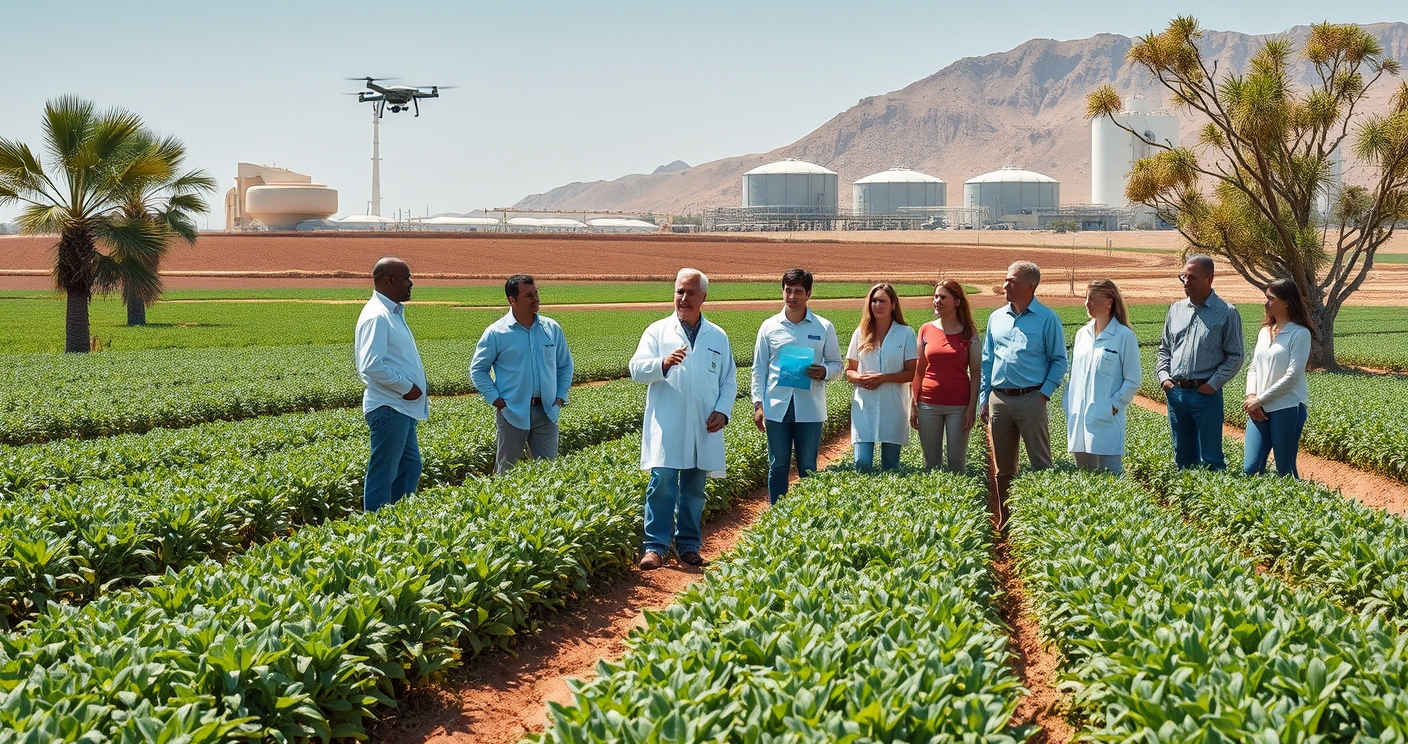
Technology, always our trusty sidekick, is playing an absolutely vital role in climate adaptation. We’re talking about early warning systems that use AI and satellite data to predict extreme weather with incredible accuracy, giving communities precious time to get ready and evacuate safely. Thanks to advanced biotechnology, we now have drought-resistant crops that are securing food for folks in ever-drier regions. And in places desperate for water, smart management systems and cutting-edge desalination are ensuring a steady supply of clean water, which in turn reduces conflict and builds stability. These aren’t sci-fi fantasies; they’re happening now, offering real-world solutions to some of our toughest problems.
LOCAL HEROES: THE STRENGTH OF COMMUNITY-DRIVEN CLIMATE ACTION
Honestly, one of the most heartwarming parts of climate adaptation by 2026 is seeing local communities stepping up and taking charge. Whether it’s neighborhood groups tracking environmental changes or setting up emergency hubs, these grassroots efforts are proving absolutely essential. Indigenous communities, with their incredible, centuries-old wisdom about local ecosystems, are often at the forefront, offering priceless advice on managing land and water sustainably. These community-led projects aren’t just fixing things; they’re also weaving stronger social ties, boosting local capabilities, and making sure adaptation strategies truly fit the culture and needs of the people who are most impacted.
POLICIES AND PENNIES: FUELING THE ADAPTATION REVOLUTION
By 2026, it’s clear that the world’s focus on adaptation isn’t just talk; it’s showing up in big ways in global policy and finance. We’re seeing ‘green bonds’ and special investment funds pouring serious money into adaptation projects. Governments are now making it a rule to ‘climate-proof’ new buildings and infrastructure, basically hardwiring resilience into all regulations. And thankfully, there’s more international teamwork on things like climate risk insurance and sharing tech, making sure countries most at risk get the tools and know-how they need to adapt effectively. It truly highlights a growing sense of global solidarity, which is fantastic to see.
THE HOPE BONUS: WHY ADAPTING MAKES US MORE OPTIMISTIC
All this solid progress in climate adaptation by 2026 is actually paying out something amazing: an ‘optimism dividend.’ It’s taking those vague, scary fears and turning them into real, touchable hope.
First off, there’s a huge boost in agency and empowerment. When you actually see concrete steps being taken to protect your community, it makes a massive difference. You stop feeling like a helpless victim of climate change and start feeling like an active player in building a safer tomorrow. That feeling of being in control? It’s absolutely crucial for optimism.
Then there’s the explosion of innovation and creativity. Tackling adaptation has really pushed us to invent amazing things. We’re talking about everything from brand new building materials to super-smart data analysis. Human ingenuity is just bursting forth to solve these tricky problems. Seeing this wave of inventiveness is a powerful reminder that we humans truly can conquer tough challenges.
And let’s not forget community cohesion. When people work together on adaptation projects, especially those led by neighbors, it really strengthens our social fabric and creates a shared sense of mission. Teaming up to build resilience makes communities stronger and more connected, and naturally, that means more hopeful.
Plus, there are real economic opportunities popping up. The ‘green economy’ isn’t just about solar panels and wind turbines; it’s also about building sustainable infrastructure, restoring ecosystems, and creating agriculture that can withstand changes. Adaptation is sparking new jobs, whole new industries, and fresh investment chances, giving us paths to economic growth that’s good for everyone and built to last.
Finally, we get a visible future. Unlike efforts to cut emissions, where the benefits can feel a long way off, adaptation gives us immediate, clear results. A new flood wall means homes are safe next year. A reforested area makes the city cooler this summer. These visible improvements are powerful proof that a better, tougher future isn’t just a dream; it’s already being constructed, right before our eyes.
So, here’s the takeaway: the story of climate change doesn’t have to be just gloom and doom. When we look at what’s happening with climate adaptation in 2026, we find really strong reasons to feel optimistic. From clever infrastructure and natural solutions to amazing tech and inspiring community projects, the message is crystal clear: getting ahead of climate challenges isn’t just about surviving; it’s a huge driving force for hope.
By choosing to be smart, working together, and investing in our ability to bounce back, we’re not just hunkering down for the storm. We’re actively building a safer, greener, and more hopeful future. This journey is far from over, but the strides we’ve made by 2025 show that with shared determination and action, the human spirit isn’t just getting by; it’s actually flourishing even as things change. The groundwork for a strong and optimistic tomorrow has been laid, and we’re already seeing the positive results.