THE HEARTBEAT OF HOME DESIGN WHY WARM MINIMALISM IS TAKING OVER
For more than a decade, minimalism felt like living inside a high-end museum. We were surrounded by stark white walls, cold chrome, grey floors, and glass tables that looked impressive but felt completely detached from real life. While that clinical look promised a sense of order, it often left us feeling a bit hollow, stripping our homes of their personality. We were left craving something a little more substantial and inviting.
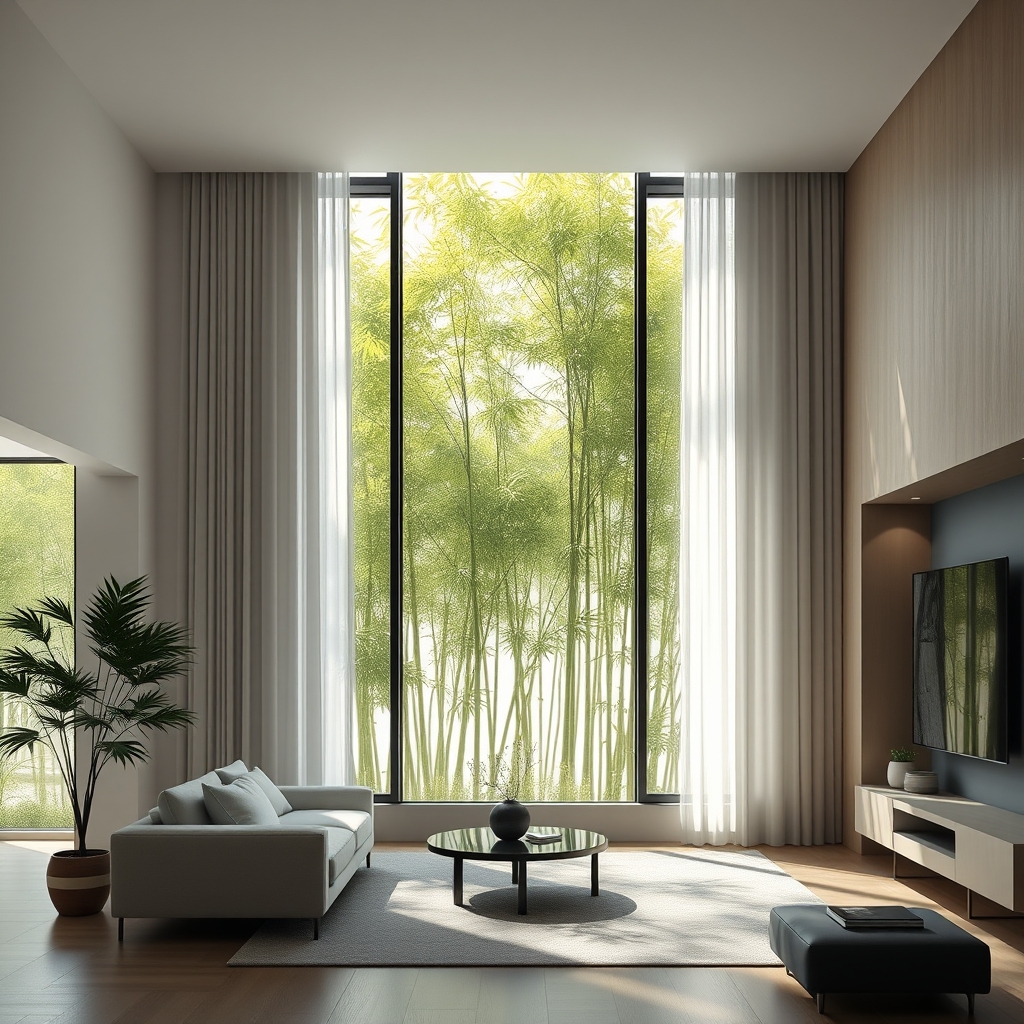
That is where warm minimalism comes in. This shift in design is moving us away from those sterile, magazine-perfect environments. Instead, it embraces a less is more philosophy that puts comfort, humanity, and a connection to the natural world at the forefront. It is essentially the art of keeping things simple while filling a room with soul.
UNDERSTANDING WARM MINIMALISM
At its heart, this style is about clearing out the excess so you have room for what actually matters. You still keep those classic minimalist traits like clean lines, organized surfaces, and open spaces, but you swap that harsh black-and-white contrast for a palette that feels much softer. Think of it as minimalism with a heartbeat. It is less about achieving architectural perfection and more about creating a soft place to land at the end of a long day.
A PALETTE ROOTED IN NATURE
If you want to spot the difference between cold and warm minimalism, look at the colors. The old-school approach leaned heavily on optic white and slate grey, which can feel quite cold under certain lights. Warm minimalism pulls its inspiration directly from the earth.
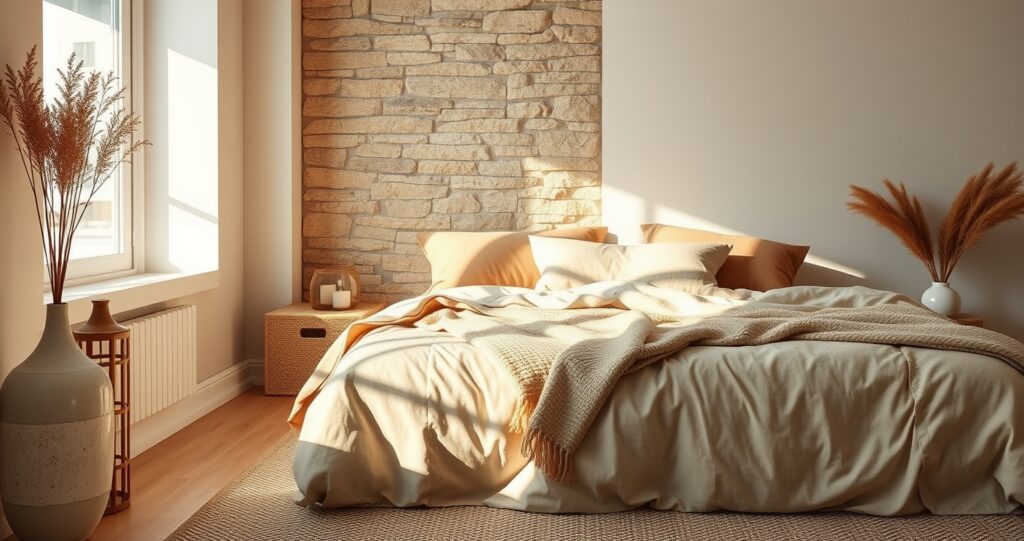
You will see a lot of clay and terracotta tones that add a historical, human touch to a space. You will also notice plenty of taupe and greige, which serve as perfect, cozy alternatives to traditional grey. Even soft ochre and sage greens make an appearance, mimicking the colors you might find on a sunny walk through nature. By sticking to these tonal, monochromatic palettes, you keep that airy feel without the visual chill.
TEXTURE IS THE NEW DECOR
When you strip away ornate patterns and heavy decorations, the materials themselves have to carry the weight of the room. This is where tactile design becomes so important. Surfaces shouldn’t just look interesting; they should beg to be touched.
Start by incorporating raw wood. Whether it is an oak coffee table or walnut shelving, the visible grain and imperfections add a natural warmth that balances out modern, straight lines. When it comes to stone and concrete, opt for matte or honed finishes rather than high-gloss options. Materials like limestone or travertine feel grounded and timeless.
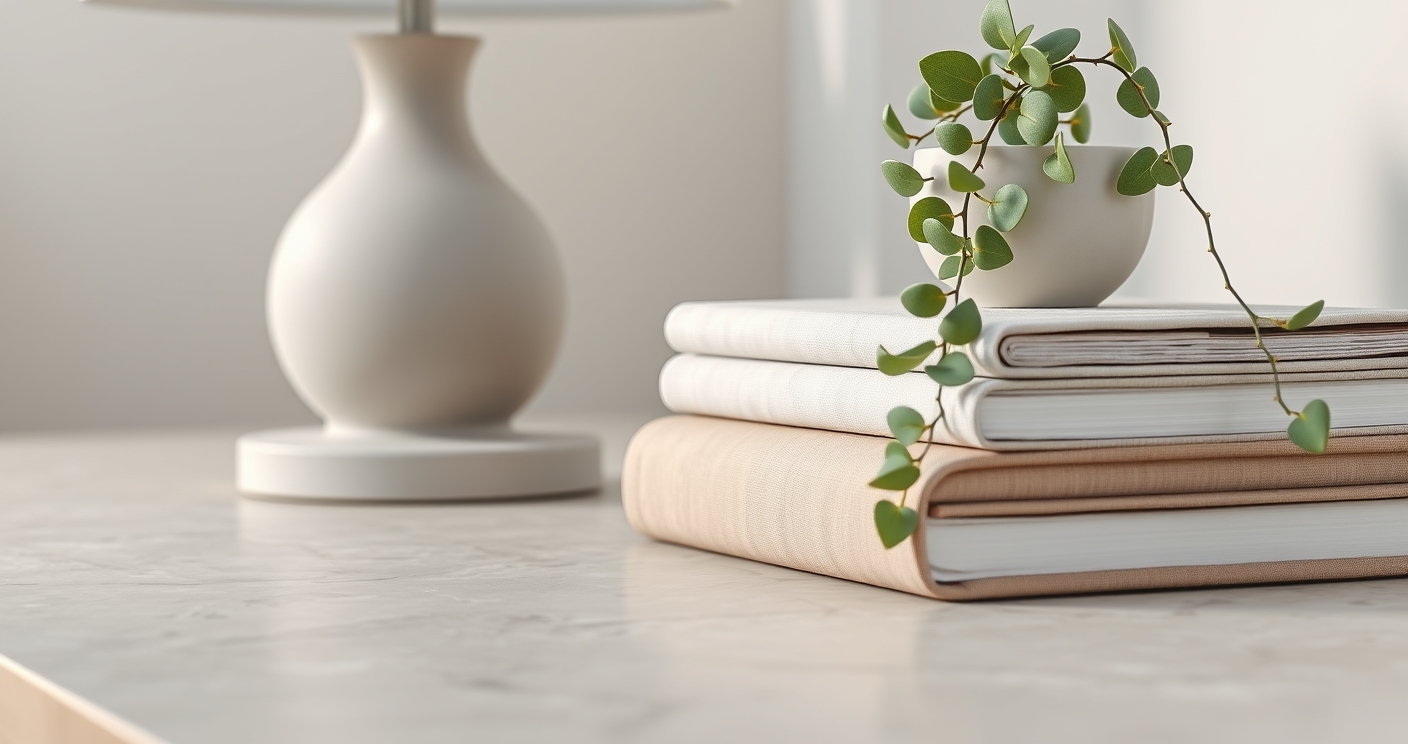
Don’t forget textiles. Swap out synthetic rugs for hand-woven wool or jute, and play with linen curtains that diffuse sunlight into a soft glow. Finally, focus on handcrafted ceramics. A simple, hand-thrown clay vase holds much more character than anything you could pick up in a mass-produced home goods store.
QUALITY OVER QUANTITY
A common myth is that minimalism means living with next to nothing. In reality, it is just about living with enough. It is the practice of curation rather than deprivation. If you choose to display something, make sure it is a quality item that you genuinely love. A single, large piece of art on a warm-toned wall often makes a much stronger statement than a wall covered in tiny, mismatched frames.
If you are looking to make the transition, start by grouping small items together on a tray to reduce visual clutter. Prioritize warm, layered lighting over harsh overhead bulbs, and do not be afraid of a little wear and tear. Embracing the wabi-sabi philosophy—where a wrinkle in a linen throw or a scuff on a wooden floor is a sign of a well-loved home—is key to making the space feel authentic.
WHY WE ARE CRAVING THIS NOW
There is a real psychological reason why this trend is taking off right now. We spend so much of our lives looking at digital screens, so our physical senses are often starved for stimulation. A home filled with cold glass and steel does nothing to ground us. By bringing in tactile elements—the rough texture of stone, the softness of wool, the weight of ceramic—we ground ourselves in the physical world. It turns your home into a sensory retreat, which is exactly what we need to lower our stress and feel at peace.
STARTING YOUR OWN SANCTUARY
Moving toward warm minimalism is not about clearing your house out and starting over. Think of it as a gentle editing process. Take a look around and find the spots that feel sharp or uninviting. Could you warm up a stark wall with a softer paint color? Can you trade a glass table for something made of wood? Even small changes, like adding a rug made from natural fibers, can act as an anchor to shift the entire mood of a room.
Remember, the goal is not to impress anyone on the internet. It is to create a home that supports your well-being. Focus on those earthy textures and intentional choices, and eventually, you will find that your space does not just look like a home—it truly feels like one.